 EN
EN

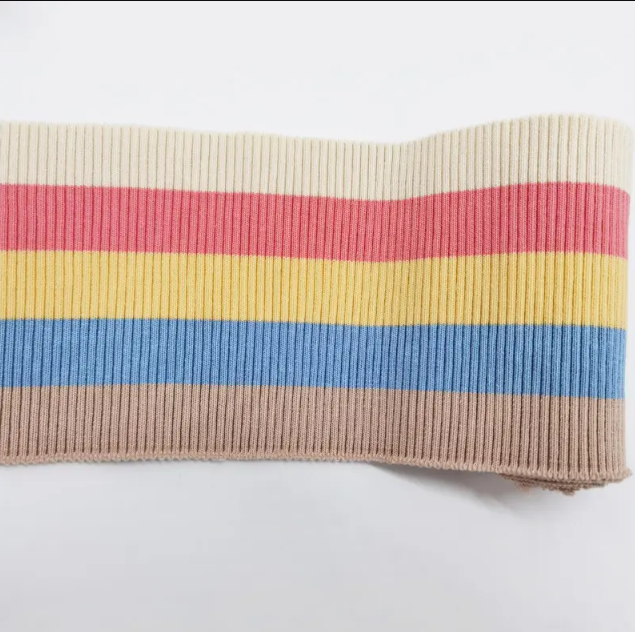
Understanding Rib Knit Structure Basics
How Knitting Techniques Create Rib Patterns
Rib knit, consisting of alternating knit and purl stitches, is an important stitch in textile design, which uses the ribs in the fabric. Stitching methods, such as 1x1 rib knitting and 2x1 rib knitting, are very important in that they establish the width and depth of the rib pattern, and thereby how much the fabric can stretch and return. So, in a 1x1 rib, every knit face has 1 purl back, and you get a nice padded, stretchy fabric, that is balanced and insulating, and in a 2x1 rib, you get 2 knits, then 1 purl = and you will get a different degree of stretch, and a different texture difference. What's more, unique patterns like double ribbing provide extra depth and comfort that make these socks perfect for pairing with a variety of looks. The type of yarn used (cotton or a synthetic blend) contributes as well to the look and usability of the rib pattern. Choosing the appropriate fibers can enhance the ribbing effects, lending very good stretch and recovery to things like cuffs, waistbands, and necklines.
Key Differences Between Rib and Plain Cotton Fabric
Regarding elasticity and handfeel, rib fabrics and plain cotton fabrics are much different and they exhibit different features and are used for different purpose. Rib fabrics are amazing in how much they can stretch and recover due to the special knitted… This natural stretch in rib knit does far more than just hold the shape; it is vital for any garment that needs some give and take without losing shape. Plain cotton, on one hand, is praised for its quality and a dust-gathered shishinishas a stiff texture and is the choice where rigidness is required. These are all extremely important to know when deciding on how to design and construct a garment, and the general textile science of these materials, including how stitch formation affects them, is key to making these decisions. Having that knowledge assists in selecting the right material for a project, so that design and usage purpose align with the end result.
2x1 Rib Knit: Core Characteristics
Construction of 2x1 Rib Fabric
The structure of 2x1 rib fabric is determined by its special knitting pattern, namely, two knitted stitches followed by one purled stitch. This series gives good stretch-ability and texture to the fabric. The weave both increases the durability of the material, meaning it is ideal for all sorts of uses from sportswear to everyday items, and is also incredibly visually stunning as a result of the wide rib size. Additionally, the texture they have provides a gripper texture that is good for anything that is fitted. The obvious ingredient when dealing with rib textures is yarn; it's ultimately the yarn you select that will determine the weight and drape of your finished fabric, therefore offering form as well as function.
Unique Advantages for Garment Stability
Fabric: 2x1 beard rib knit There are several great uses for this fabric, we especially like it for garment strength and shape-holding. Beyond that, clothing designed with this material like cuffs, hemlines, keep their shape and wear well, as it is very resilient. The 2x1 rib doesn't roll or fray like poor quality knit types and is favoured throughout the garment and textile trade. The stable yarn of this knit allows it a soft hand against the skin, thus allowing wearers to both look and feel stylish. Furthermore, performance wear experts acknowledge the benefits of this 2 x 1 rib knit in performance gear, the supportive nature of the fabric yielding to a tight fit and flexibility, two ratio's that are essential in the industry it is so commonly used in.
Comparing 2x1 Rib to Other Knit Types
1x1 Rib Cuff vs 2x1 Structure
Stretchy and interesting rib with 1x1 rib cuffs There are many types of rib but in my opinion, the difference between 1x1 rib cuffs and 2x1 rib body is only the amount of stretching and the look. Its lighter stretch than a 2x1 construction gives a simpler look to cuffs and a cleaner, less weighty feel. Also, 1x1 ribs have a closed-knit organization and present a more snug fit as well as a neater appearance compared to the 2x1, although imparting lesser strength of construction for heavily used applications. For the most part, visual comparisons reveal the more edgy ridge (this characteristic adds even more variant possibilities to designs) of the 2x1 rib. In the end, choosing between these two rib varieties comes down to taste and how much the fabric needs to stretch.
2x2 Rib Flexibility vs 2x1 Durability
Comparing 2x2 rib flexibility with 2x1 rib durability is important to understand their end-use in apparel. The 2x2 rib has a bit more versatility and adds to a smoother drape but the 2x1 rib reigns supreme in the lasting wear department. The ribbing also is more part of the stretch in this sequence; the 2x2 is generally better with compression which is super important both for fit (snug) without losing comfort. 2x1, as has already been proved in durability studies, performs significantly better in wear, particularly when it comes to performance fabrics. When choosing between 2x2 and 2x1, think about what the fabric will be used for, because it affects how long your garment will last.
Plain Knit vs Textured Rib Applications
Selecting the right direction between flat (simple) knit and textured rib application can affect the properties and aesthetics of the garment. Plain knits provide a smoother surface (ideal for base layers) while textured rib knits are decorative and useful for visible areas. The choice between these structures impacts the thermal comfort: ribbed knits are often warmer than plain knits. "The design requirements usually determine the more popular type: Anything textured on the ribs tend to attract the eye and are preferred for active and casual wear for styles, while plain knits are the workhorses. This decision has to be made keeping in mind the level of comfort & style demanded by the consumers.
Performance Factors in Rib Knit Comparison
Stretch Capabilities Across Knit Patterns
Stretch properties of knit designs depend on the amount of stitches, type of yarn, as well as fabric weight. All these things can have an effect on how well a helmet fits, and how comfortable it is. For instance the 2x1 rib knit is one of looser knits - ideal for today's modern athletic wear styles that are popular which tend to be more fitted. Furthermore, stretching experiments demonstrate that ribbed designs hold their shape better than ribless options, exhibiting superior elasticity. Through an in-depth elastic measurement of fabrics, designers can obtain measurable data points on the basis of which they are able to make informed decisions and can optimize the performance of fabrics.
Recovery Properties for Long-Term Shape Retention
Recovery tends to be what prevents clothes from getting too stretched out. The 2x1 rib knit is unique for its excellent recovery, making it perfect for constant and active wear. This is also supported by comparison tests which demonstrate that fabrics with strong ribs do not change out of shape even under repeated ear, providing a guarantee for long-term performance. Understanding the crucial need for recovery, manufacturers emphasize the recovery in knitted fabrics to an extent that meets the different demands in various applications from fashion design to sportswear.
Selecting the Ideal Knit for Your Project
When to Prioritize 2x1 Rib Structure
It’s also important to get the 2x1 rib structure right for your project, especially if it needs to be extra durable and stretchy, for cuffs or hems, for example. This knitting pattern is very suitable for under layering jersey that needs to be fitted and comfortable. The 2x1 rib is a must have for winter wear because is it warmer and stretchier than the 1x1 rib. And, you do need to think about its intended purpose, because this rib is good at accommodating active motion, so it's great when you want to stay looking professional in a more active environment.
Matching Knit Type to Application (Cuffs/Hems/Body)
The correct choice of knit type for different parts of a garment is key to the perfect fit and function. The cuffs and hems benefit from ribbed knits such as 2x1, which provide the necessary stretch to keep your garments from sliding down. The choice of fabric for body is all about balance of drape and structure, especially for tight styles. You do need to know what you want to achieve aesthetically — structure versus collapse — so that you have an idea whether rib or some other sort of things knits will be best. Furthermore, factoring in the properties of fabric, in both washing and wearing, is essential to preserve garment quality and appearance.