 EN
EN

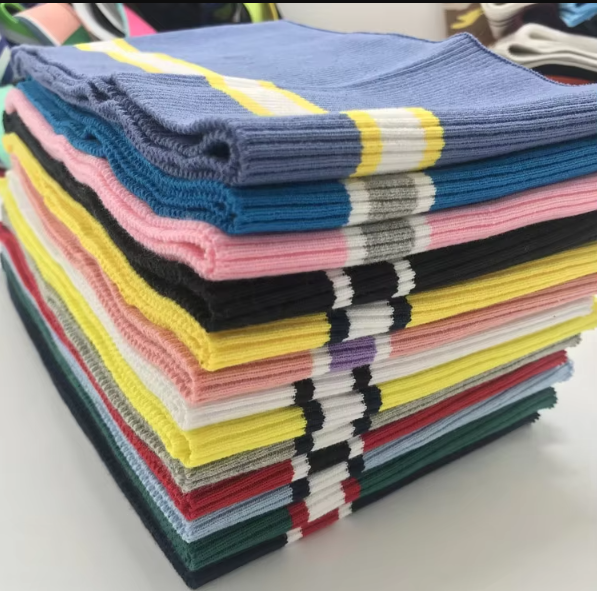
The Anatomy of Ribbed Fabrics in Garment Construction
What Makes a Ribbed Fabric Unique?
Textured fabric fabric adds a whole new dimension to your sewing projects: literally. This wonderful texture is the result of a special type of knitting pattern, alternating knit and purl stitches, and although it may look particularly attractive, it also has a good amount of stretch to it. That same elasticity is why ribbed knits can stretch so much, making them great for fitted garments like tops and pants. Ribbed fabrics also offer great recovery and retain their shape when stretched, which is crucial for items made with this fabric to last longer.
Functional Role of Bottom Ribs: Cuffs and Hems
Bottom ribs The bottom ribs in particular are essential for shaping garments such as hems and cuffs. Not only do these functional features contribute to the overall look of the garment but they also make it more durable and protect it from fraying. One example: ribbed cuffs ensure a close and comfortable fit around the wrist, and room to move and bend. They are especially favored in activewear, where comfort and durability are key. The utilization of bottom ribs brings together fashion, functional, and enduring clothing design.
Types of Ribbed Fabrics for Bottom Applications
1x1 Rib: Versatile Stretch for Everyday Wear
Classic 1x1 rib fabric is engineered with ideal memory for easy fit and is a great old-school look. Because of its versatility, it can be used in many types of apparel such as t-shirts, leggings, and casual dresses. It is versatile and the one that is used the most often in all adult and children clothing as a staple wear. The sleek but simple design along with the stretch of the fabric and elastic waist for ease adds to this exquisite product.
2x2 Rib: Structural Support for Heavy-Duty Use
The 2x2 rib fabric has a strong construction to deliver support with a little more weight and bulker applications in mind. This rib fabric is really popular in sportswear and active wear garment where the fabric needs to be durable and provide strong support. The thicker base not only provides additional strenght it also insulates the cooler, perfect for harsher climates. From sticky-humid workouts, to minty-fresh runs, this fabric does it all—keeping its strength and form, even in the toughest of conditions.
Plain Cotton Fabric: Breathability in Simple Designs
Simple cotton is known for its breathability and everyday wear, it’s great for non fussy and easy going sews. It's frequently imagined for warm weather clothing where breathability is important. Its simple style can match all kinds of clothes and ornaments. It's the straightforwardness of this material that makes it easy to include in casual wardrobes, it is all laid back without giving up any of the style.
High-Quality Webbing for Reinforced Durability
High-grade webbing is an important factor in garment construction for both strength and support. It adds strength where needed including cuffs and hems and overlock seams, for a durable and professional finish. This webbing keeps the product edges intact and reduces the possibility of breakage during the finishing spin. Furthermore, its integration enables to retain garment shape after several washes, which is crucial for high end performance garments.
Key Factors in Fabric Selection for Bottom Ribs
Elasticity Requirements for Movement and Fit
In selecting rib fabrics for bottoms applications we have to consider the right elasticity to obtain natural movement and fit tightly the garment. Stretchable Material Stretchable Material offers all the freedom you need in your indoor or outdoor exercises such as running, squat or even steppers! In order for this to be a comfortable fit these fabrics must also have a high degree of stretch and recover so they can spring back into their original shape. Stretch recovery is something that needs to be tested for because materials that do not recover this elasticity can result in the degrading of garments and the inability to wear them. Understanding these factors helps ensure that fabrics perform to meet the functional demands of everyday clothing.
Durability: Matching Fabric Weight to Usage
Choosing the right fabric weight is important because it ensures the longevity of your clothes according to the occasion or event. For instance, heavier weight fabrics are generally used for activewear and outerwear since they are less prone to wear and tear and can withstand the more extreme conditions. Heavier weight fabrics, in contrast, might work well for more casual or less physically demanding applications where comfort is valued. Putting garments through wear tests is a proven method for evaluating how a fabric performs in real-world environments, and that provides insight into how it holds up through time and wear and under various types of stress.
Breathability vs. Insulation Needs
Finding the right combination of breathability and insulation for your materials is essential, especially with clothing that transitions between various climates. Water wicking and breathable fabrics are ideal for temperature control in hot weather conditions (wicking sweat away to the surface and being fast drying) keeping you comfortable. Conversely, insulated materials are perfect for cold settings, keeping you warm by retaining body heat near the skin. To determine the best fabric for a garment further consideration of the use for the fabric is important to understand what conditions the fabric needs to perform as to meet the comfort and function of the wearer.
Material Considerations: Natural vs. Synthetic Fibers
Cotton Blends: Softness and Moisture Management
Cotton-blends use natural cotton with a blend of synthetic fibers for softness and a layer of cotton over synthetic materials for wicking aid. Such a blend is particularly beneficial with regard to active sportswear in which comfort, as well as the ability to wick away perspiration, are highly important. The proportions of these blends can make a huge difference in how a fabric feels and performs. For example, more synthetic may help with moisture management, while more cotton may contribute to softness. Therefore, finding the optimal combination of cotton blends is crucial to satisfy different fabric demands.
Polyester and Elastane: Enhanced Recovery and Shape Retention
When combined with elastane, polyester becomes a 'dynamic duo,' providing the best stretch available for fit, and a form-fitting silhouette. This blend provides the option with a high degree of recovery so that it maintains its shape after being put on over and over and is also machine washable. It s not so much a question of what the fibers are, but how polyester and elastane behave, because that s what allows designers to play with the strengths and stretch of the fibers. Such materials are often utilised in clothing that needs to be very flexible and durable, so are important in sportswear and performance clothing design.
Care and Maintenance for Long-Lasting Ribbed Fabrics
Washing Techniques to Preserve Elasticity
Maintaining the stretch in ribbed fabrics begins with proper washing. You'll want to use cold water and light washing cycles to decrease the amount of wear and tear on the item (a problem which could subtly alter the unique structure of the fabric and prevent it from ever regaining its mold). Meantime, the fabric softeners should be full disclosure stayed away from, because they break down the fibers and over time will cause their loss of elasticity. As a general guide, follow Care Labels provided by the manufacturers which are usually designed to provide the longest life for clothes.
Drying Methods to Prevent Warping or Shrinking
Correct drying techniques are essential to ensure that ribbed fabrics do not get damaged or shrunk due to warping. Here air drying is the recommended course of action if you want to maintain the structure and stretch of the fabric. If you're going to use a dryer, make sure to use a low heat so that you don't risk the danger of high heat shrinking the sweatshirt and ruining that characteristic look that the fabric is supposed to have. Proper drying is important to help maintain the look of clothes and fit well.
Repairing Common Wear in High-Stress Areas
High-impact points like cuff and hem of rib fabric items may get strained more easily and they should be taken care of in a timely manner to prolong life of bands and hems. Using repair methods, such as patching or re-stitching, in such areas can help to seal holes and maintain a garment’s function. Through expeditious resolution of these issues with prompt repairs, minor issues that would eventually compound into major and costly issues are thwarted, ensuring the overall longevity and aesthetic of the garment.