 EN
EN

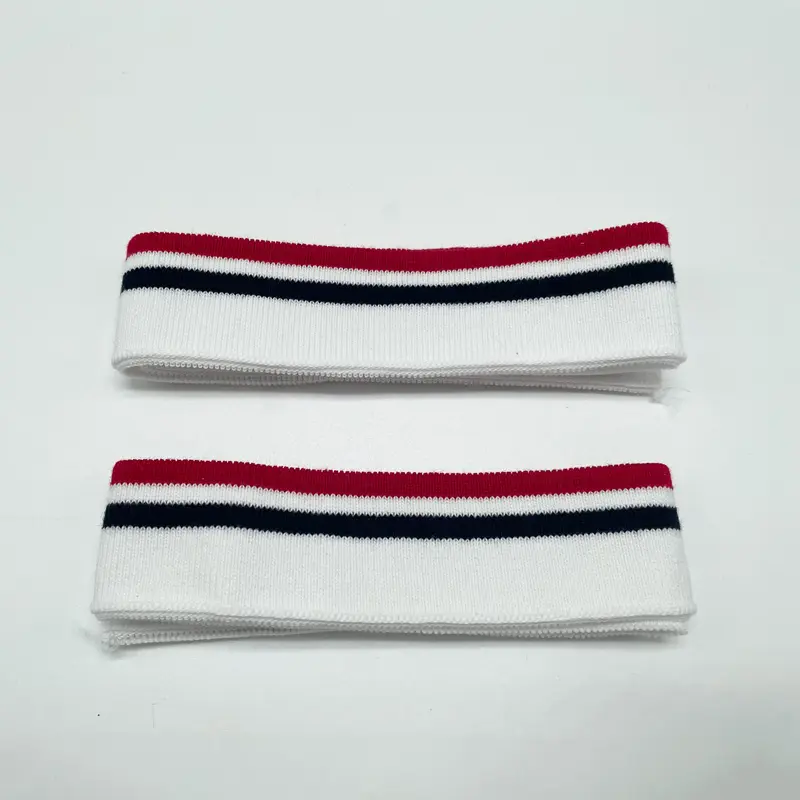
Understanding Rib Knit Fundamentals
Introduction to Rib Knit Construction
Rib knit construction stands out as something really special because it alternates between knit and purl stitches, creating those distinctive ridges we all recognize. What makes this method so great is how stretchy it becomes. Garments made with rib knit can expand when needed but still bounce back to their original shape, which explains why designers love using it for clothes that fit snugly against the body. Look around any store these days and chances are good that at least half the t-shirts, sweaters, and even some jeans incorporate rib knit somewhere in their design. Back in the day, people had to handcraft these patterns stitch by stitch, but nowadays machines handle most of the work. This shift from manual labor to automation means manufacturers can produce consistent quality without breaking a sweat, though there's still something satisfying about seeing those classic ribs formed through traditional methods.
Common Uses in Apparel: Cuffs and Necklines
Apparel manufacturers often turn to rib knits when making cuffs, necklines, and hem areas for good reason. The fabric really holds up well over time while still feeling comfortable against skin. What makes rib knits so special is how they grip tightly around body contours yet don't pinch or bind. Take a look at most casual wear lines and chances are they'll feature ribbed edges somewhere. Big name fashion houses know this works because customers want clothes that stay put through daily activities. With both stretch and bounce built right in, these knits help keep sweaters and cardigans looking neat even after multiple wears. Anyone who's owned a favorite hoodie knows exactly what I mean about those sleeves staying where they should be.
1x1 Rib Knitting vs. Woven Fabrics Explained
Looking at 1x1 rib knitting versus regular woven fabrics shows some pretty clear distinctions, mainly around how stretchy they are and what they feel like. Ribbed fabrics actually stretch way more than woven ones, which is why they work so well in clothes that need to fit snugly against the body. That extra give comes in handy for parts of clothing where movement matters most, think about cuffs on shirts or elastic waistbands on pants. Manufacturers also find rib knit production cheaper these days compared to making woven materials, largely because newer knitting machines handle the process faster and with fewer complications. Both types of fabric bring something different to the table though. Designers who understand when to use each material create better fitting clothes overall, matching the right properties to specific garment needs.
Flat Rib Characteristics and Applications
Defining Flat Rib Structure and Drape
Knitting with flat rib structures creates fabrics with a distinctive texture while maintaining a smooth overall look. These structures allow clothes to move better and work well for those looking for something laid back or not too fitted. What makes this design special is how it sits against the skin without feeling restrictive. Fashion designers have started gravitating toward flat ribs lately because people want their clothes to be both comfy and good looking at the same time. Retailers report growing demand for these types of materials as consumers prioritize practicality without sacrificing aesthetics in their wardrobes.
Advantages for Minimalist Designs
Flat ribbed fabrics have become pretty much essential in minimalist design circles because they bring those clean lines and simple textures everyone talks about when discussing "less is more." Designers love these materials for their quiet sophistication, especially those working in spaces where simplicity really matters. People seem to be gravitating towards simpler styles lately too, probably because basic clothes just work better across different situations and seasons. Take a look at what stores like Uniqlo and COS are doing these days - both brands feature plenty of flat ribbed items in their latest lines, clearly tapping into this desire for understated style. What makes flat rib so great? It manages to look elegant while still being practical enough for everyday wear, striking that balance between looking good and actually working well.
Limitations Compared to Raised Rib Styles
Flat rib fabrics are popular but do have some drawbacks when it comes to stretch and how they bounce back after being stretched. The thing is, when compared to raised rib styles, flat ribs just don't hold up as well when something needs to stay tight even when pulled on. Take sportswear for instance, where clothes need to move with the body and snap back into shape after stretching. Raised ribs work much better here because they maintain their form longer. From what we've seen in actual testing situations, raised rib fabrics definitely stand up better to all that pulling and tugging, giving more support while keeping things looking good. Flat ribs still have their place though, mostly in casual stuff where stretch isn't so important. But if someone wants something that really performs under stress, like in fitted clothing or activewear, raised ribs are generally the way to go. Knowing this difference makes all the difference when picking the right material for different types of garments.
Flat Rib vs. 1x1 Rib Cuff Elasticity
When it comes to stretch properties, there's quite a gap between flat ribs and those 1x1 rib cuffs, and this makes all the difference in how clothes actually fit on people. Flat rib structures just don't stretch much because of how they're constructed, which gives them that neat, consistent look but limits movement. On the other hand, manufacturers love working with 1x1 rib cuffs since these have way better stretch characteristics. Garments made with them tend to sit nicer on the body, especially at trouble spots like wrists where regular ribs would often ride up or feel tight. The extra give in 1x1 ribs means clothes stay comfortable through daily activities without constantly adjusting or feeling restrictive.
Garments like sweatshirts and jackets commonly feature 1x1 rib cuffs because they need that tight fit around the wrists. For casual tops though, manufacturers tend to go with flat ribs since there's not as much need for stretchiness. When we look at how these fabrics perform in real world conditions, the difference becomes pretty clear. The 1x1 rib construction actually bounces back faster after being stretched out, which means those cuffs stay snug even after repeated wear compared to flat rib materials that tend to lose their shape over time. This makes all the difference for activewear and outerwear where maintaining that secure fit matters most.
Flat Rib vs. 2x1 Rib Fabric Recovery
Looking at how flat rib versus 2x1 rib fabrics bounce back after stretching shows that 2x1 ribs usually have the edge when it comes to recovery. The way these fabrics behave actually makes a big difference for how long clothes last before they start looking worn out. Flat rib tends to sag and stretch out over time, especially after repeated wear. But those 2x1 ribs? They snap back pretty well most of the time, maintaining their shape even after getting pulled on during daily activities. For anyone who wants their t-shirts and sweaters to keep looking good longer, this matters quite a bit in terms of value for money spent on clothing.
Take athletic wear for instance, many brands have started using what's called 2x1 rib construction because it helps clothes hold up better when people are working out hard. People who actually wear these items keep telling manufacturers about how important this feature really is. Most folks want their workout gear to stay looking good even after repeated washing and stretching. They don't want shirts that sag or pants that lose shape completely. The 2x1 rib pattern seems to work pretty well at preventing this kind of damage, which explains why so many companies continue to incorporate it into their designs despite all the other trends coming and going in the apparel market.
Texture Comparison: Flat Rib vs. Raised Patterns
The tactile experiences offered by flat rib and raised pattern fabrics profoundly influence consumer perception. Flat ribs provide a smooth, minimalist feel, complementing simple, sleek garment styles. In contrast, raised patterns introduce a textured dimension, adding depth and visual interest that many consumers find appealing.
When talking about what makes clothes stand out, fashion influencers tend to bring up texture a lot. They'll say something like how adding texture can take an ordinary piece from boring to amazing in someone's closet. Take a plain old knit top for instance. Just by having those little raised ribs running across it, suddenly it looks way better visually and feels nicer to touch too. Photographers who work with fabric really know their stuff when it comes to showing off textures. Their pictures usually have super clear details where light hits the material at just the right angle, making people see all the differences between flat areas and those textured parts. This kind of presentation helps shoppers understand why some items look so much better than others on the rack.
Selecting Rib Styles for Your Brand Identity
Assessing Durability Needs: Plain Cotton Fabric vs. Ribs
Looking at how long clothes last, comparing regular cotton fabrics against ribbed ones makes sense. Cotton feels great on skin and lets air through, but tends to get damaged quicker when subjected to stress points. Think about places where clothes naturally stretch or bend repeatedly. Ribbed materials like the common 1x1 rib fabric actually hold up better because they're stretchier and stronger overall. Fashion designers know this well. The way these ribbed fabrics are constructed gives them extra staying power in many clothing items. Research shows something interesting too. Clothes featuring ribbed sections just don't distort as much over time compared to garments made entirely from plain cotton. That's why we see ribbing so often around collar areas and sleeve edges in quality apparel.
Matching Rib Type to Product Category
Matching different rib styles to particular clothing categories really helps establish what makes a brand stand out. Flat ribs work great for everyday clothes where people want something simple yet classy. Take athletic wear for instance, the 1x1 rib cuffs are fantastic because they stretch nicely and keep things tight against the body during all those movements when working out. Then there's the 2x1 rib fabric which adds weight and strength to jackets and coats, making them last longer through harsh weather conditions. Brands that get this right, like pairing those elastic 1x1 cuffs with gym gear, actually create stronger connections with customers. People start recognizing the quality and look of these products, which builds loyalty over time as they see consistent results from what they buy.
Cost-Benefit Analysis of Rib Fabric Options
Looking at what rib fabric costs compared to other textiles tells us a lot about prices, how well clothes perform, and what shoppers want these days. Ribbed materials do cost a bit more initially because they require special knitting methods, but they stretch really well and bounce back after being worn, which means clothes last longer and keep their shape better. Take sports wear for instance many customers actually spend extra money on gear that won't sag or lose its form during workouts, especially when it comes to those tight fitting 1x1 rib knits that hold up amazing well. On the flip side, regular cotton remains cheaper for fashion pieces where looking good matters more than durability. Brands need to watch what people are buying in different markets if they want to pick the right fabrics for their products. Knowing these trends helps companies decide where to invest their money wisely without guessing blindly.