 EN
EN

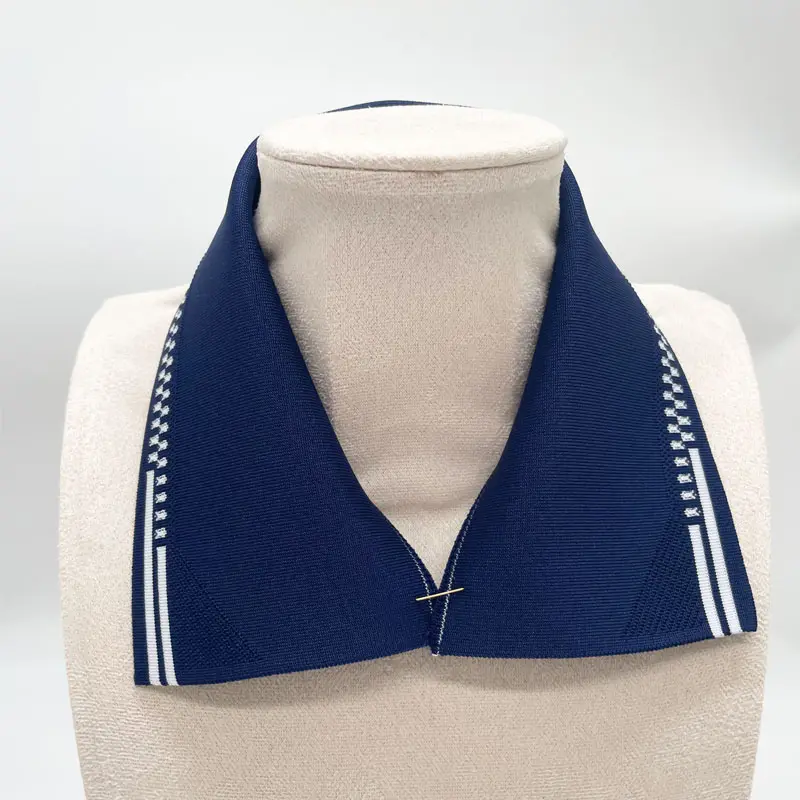
Understanding Rib Knitting Fundamentals
1x1 Rib Knitting: The Core Technique Explained
The 1x1 rib stitch pattern stands out among basic knitting techniques since it alternates between knit and purl stitches, resulting in fabric that stretches really well. What makes this method so popular? Well, the ribbed texture isn't just visually appealing but actually works great for keeping clothes flexible and able to bounce back after stretching. That's why we see it used so much around cuffs and collar areas where a tight fit matters most without losing shape day after day. Fashion designers love this feature too because clothes made with 1x1 ribbing tend to last longer and feel better on people throughout their daily activities, from morning coffee runs to evening errands.
Fashion folks know all about the good stuff when it comes to 1x1 rib knitting. Designers love working with this technique because it gives them something special for making clothes that need to look good while still being practical. The way 1x1 rib fabric stretches and bounces back makes it possible to get that snug fit people want without feeling restricted. Look at any modern closet and chances are there will be items made from this material. We see it everywhere now—from everyday t-shirts and sweaters right up to those fancy runway creations. That kind of flexibility explains why so many creative minds keep coming back to 1x1 rib fabric again and again for their latest designs.
2x1 Rib Fabric Applications in Modern Design
2x1 rib fabric has become really popular in contemporary fashion circles because it combines interesting textures with great looks. The pattern itself alternates between two knit stitches and one purl stitch, which creates variations on the fabric surface that catch light differently. What stands out about these materials is how they look both classy and not too flashy at the same time. Garments made from 2x1 ribs tend to have that special something that catches attention without being over the top. That's why so many designers love working with this type of fabric when they want to add depth and character to their collections.
Top fashion houses have started incorporating 2x1 rib fabric into their latest lines, and the results speak for themselves when it comes to comfort meets style. What we're seeing isn't just passing fads either. Designers across the industry are increasingly turning to ribbed materials as a staple rather than a novelty. Why? Because these fabrics actually work really well with today's body-conscious designs. They stretch nicely without losing shape while adding that subtle texture people want in their wardrobes now. With consumers getting tired of plain cotton tees and wanting something with character, expect to see more brands experimenting with different ways to incorporate 2x1 rib construction in upcoming seasons.
Differences Between Plain Cotton & Ribbed Constructions
Looking at regular cotton versus ribbed fabrics shows clear differences in feel, stretch, and how they look. Regular cotton tends to be flat and even across the surface, giving that timeless appearance most people recognize. It feels good against skin but doesn't really stretch much beyond what's needed for basic movement. Ribbed fabrics like 1x1 or 2x1 knit patterns create those interesting ridges we see in t-shirts and sweaters. What makes these special is their ability to stretch both ways, so clothes made from them actually conform to our bodies rather than just hanging there. That means better fitting garments overall, which translates into greater comfort when wearing them throughout the day. People often notice this difference right away during try-ons at stores.
Ribbed fabrics generally perform better than regular plain cotton when it comes to how they fit and last over time. What makes them special is this natural stretchiness that comes from the way they're constructed. Clothes made from ribbed fabric tend to hold their shape much longer and can take a beating during daily use without falling apart like plain weave cotton does. Some research looking at how long different fabrics actually last shows ribbed materials stand up to repeated washing and wearing for far longer periods. From an environmental standpoint, this matters because clothes that don't fall apart quickly mean less stuff ending up in landfills. With so many shoppers now caring about both eco friendliness and quality these days, ribbed fabrics have become pretty essential for anyone making clothes that need to look good while standing the test of time.
Neck Rib Innovations in Contemporary Fashion
Steam Molding Technology for Enhanced Rib Performance
Steam molding has become pretty essential for creating those three dimensional neck ribs that give shirts their structure and definition. When fabric gets steamed during manufacturing, it actually retains its shape much better than traditional methods, which means necklines stay looking crisp and neat even after multiple wears. From a manufacturer standpoint, this tech translates to better fitting clothes that keep their original look longer, something customers definitely notice when they reach for their favorite dress shirt week after week. We're seeing more and more apparel companies jump on board with steam molding these days. The numbers back it up too many factories report significant improvements in both production efficiency and customer satisfaction rates since implementing this process. Brands are clearly betting big on steam molding as part of their strategy to create durable, well-fitting garments that won't let down discerning shoppers.
Structural Reinvention for Improved Fit and Comfort
Ribbed neckline designs are changing the game when it comes to how clothes feel against the skin while still looking good. The latest stuff uses things like 1x1 rib fabric which stretches better than regular knits, plus clever patterning that moves with the body instead of pulling at awkward angles. People actually stay put longer in these shirts because they don't dig into shoulders or slip down during movement. Fashion insiders aren't seeing this as some temporary thing either. More folks want their clothes to work for them day after day, not just look great for photos. That shift is pushing designers to think differently about what makes a garment truly wearable. We're starting to see collections where comfort isn't an afterthought but built right into the DNA of the piece from the get go.
Sustainable Material Integration in Ribbed Necklines
Sustainability has become a major focus across the fashion world lately, and even something as simple as ribbed necklines is getting an eco-friendly makeover. Many clothing brands now spend real money on materials like organic cotton and recycled polyester blends. They want to cut down on environmental damage without making clothes look boring or unattractive. Some actual companies we know have successfully kept their product quality high while still meeting what customers want these days when it comes to green choices. People seem to be buying into sustainable fashion more than ever before, probably because they're starting to understand how their shopping habits affect the planet. So basically, those ribbed necklines aren't just stylish anymore either they represent something bigger about where fashion might be heading in terms of caring for our environment.
Manufacturing Breakthroughs in Ribbed Textiles
Automated Knitting Systems for Precision Construction
The textile industry has seen major changes thanks to automated knitting systems, especially when it comes to making ribbed fabrics. Manufacturers find these systems cut down on wasted materials and save money over time, which helps their bottom line. Modern knitting machines can handle complicated patterns that used to take hours manually, and they maintain consistent quality across all products. Industry reports show some companies saw their output jump around 30% after switching to automation, though results vary depending on factory setup. For fashion brands wanting both unique designs and large quantities, these machines offer something close to the best of both worlds without compromising on quality standards.
Quality Control Advancements with Digital Monitoring
In the world of ribbed textiles, digital monitoring tech has pretty much taken over quality control these days. Factories are seeing way fewer defects and better overall product quality since implementing these systems. The ability to collect and analyze data in real time means problems get spotted fast before they turn into bigger issues. For instance, when a machine starts producing inconsistent patterns, operators catch it almost immediately rather than discovering batches of faulty goods later. This level of attention cuts down on returns substantially while building stronger brand trust among customers who expect consistent quality. According to a study last year, around three out of four textile manufacturers who adopted digital monitoring noticed tangible changes in what their customers were saying about them online. Looking ahead, those textile companies that haven't embraced this tech might find themselves falling behind competitors who've already made the switch to smarter quality management solutions.
Rapid Production Capabilities for Contemporary Demands
The fashion world wants things faster these days, so ribbed textile makers are getting creative with their production methods just to stay competitive without letting quality slip. High speed knitting machines and all sorts of automation have become game changers for many factories. Some companies report cutting their production time by almost half since switching to these new systems. Take Company X for example they went from taking weeks to produce batches to getting them out in days after investing in better machinery. This kind of flexibility means manufacturers aren't stuck waiting for seasons to change before they can react to what customers actually want right now. Plus, despite all the tech upgrades, most still manage to maintain pretty good quality standards which is no small feat when trying to move so fast through the production line.
Future Trends in Ribbed Neckline Technology
Smart Textile Integration for Functional Ribs
The world of ribbed fabrics is getting smarter thanks to new textile technologies that bring real functionality to everyday clothing. These next generation materials actually change how regular fabrics work, making them sweat less during workouts while keeping wearers comfortable even when temperatures fluctuate throughout the day. The fashion sector has definitely noticed this shift toward tech infused apparel, especially among activewear brands looking for ways to stand out from competitors. Market analysts predict something pretty exciting too the smart textiles segment could see explosive growth rates upwards of 30 percent each year going forward. What does this mean practically? We'll probably start seeing more ribbed garments with built-in sensors or adaptive insulation features that respond to environmental conditions automatically.
AI-Driven Customization for Personalized Necklines
AI technology is changing how ribbed neckline designs get customized for customers, giving people what they actually want based on their style preferences and shopping history. Brands now have tools to look at all sorts of customer data points when creating these special designs, which helps build stronger bonds between shoppers and companies. When folks see their favorite styles adapted just for them, they tend to stick around longer and interact more with the brand overall. We're seeing real growth in this area too. Market research shows the apparel sector's interest in AI customization has jumped by about 30% last year alone. As more fashion houses experiment with smart algorithms for necklines and other features, it becomes clear that AI isn't just a passing fad but something seriously transforming how businesses connect with their customers day after day.
3D-Knitted Rib Structures in Sustainable Fashion
Three-dimensional knitting has really changed things for sustainable fashion, especially when it comes to those ribbed fabric structures we see so much in clothing. What makes these new techniques stand out? Well, they cut down on material waste quite a bit while making better use of resources overall something that matters a lot for sustainability efforts. Brands leading the charge with this tech are seeing real results too. Take Patagonia or Eileen Fisher for example they've reported cutting their fabric waste by around 30 percent using these methods. The numbers speak volumes about how 3D knitting helps both eco-friendly fashion and gives concrete data points for environmental protection work. Looking ahead, as more manufacturers jump on board with these approaches, we can expect even bigger improvements in sustainability specifically within ribbed textile production over time.