 EN
EN

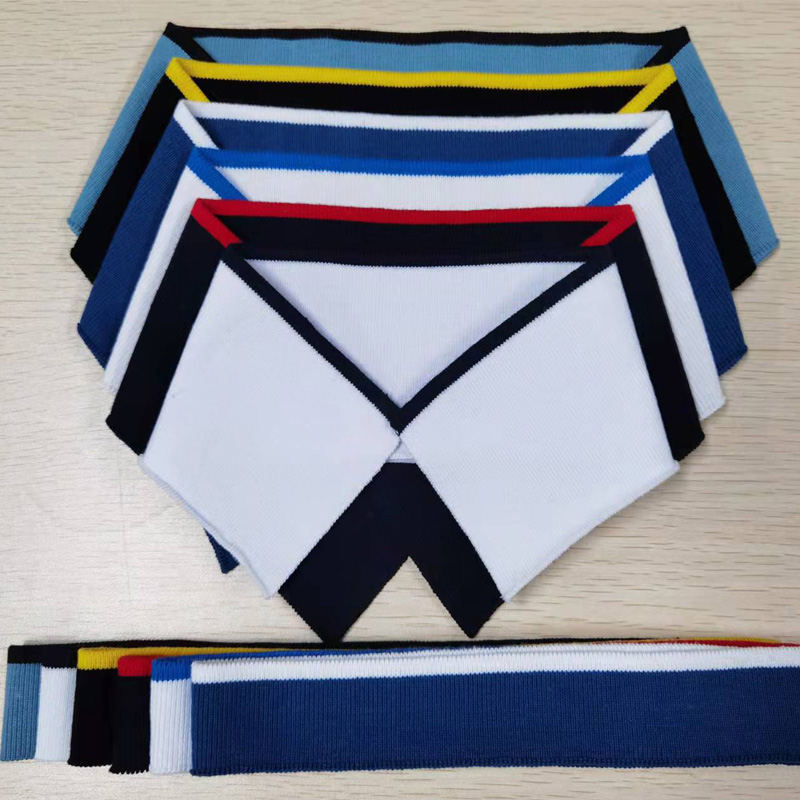
The Rise of Striped Ribbed Collars in Modern Fashion
From Functional to Fashion-Forward: Evolution of Ribbed Necklines
Ribbed necklines started out as something practical rather than pretty. Back in the day, they were all about stretch and strength for things like sweaters and coats that needed to hold up through wear and tear. By the early 1900s, people began seeing them not just on sportswear but also in everyday clothes worn around town. When fashion got more laid back in the mid century, ribbing became basically standard issue across most wardrobes. Brands such as Acne Studios and Kule now feature ribbed necklines prominently in their newest lines, mixing old school techniques with fresh new twists. The whole thing shows how the fashion world keeps finding ways to merge comfort with looking good. Market data supports this too – casual wear sales have been climbing steadily at around 5% per year according to recent reports, which makes sense given how much folks still love those ribbed details after all these years.
Why Rainbow Stripes Dominate Contemporary Collar Designs
The rainbow stripe look has really blown up in fashion circles lately, mostly because folks know colors affect moods. When we see those bright hues, they just make us feel happy inside. That's why designers love throwing them into collections focused on letting everyone express themselves freely. Platforms such as Instagram and TikTok have been huge for spreading the rainbow stripe vibe everywhere. People post pics wearing all sorts of outfits featuring these colorful stripes, showing off their unique style while catching some serious attention online. Fashion insiders aren't just talking about looks here either. They point out that rainbow stripes actually represent something bigger than aesthetics alone. These patterns stand for embracing differences and being true to oneself, which totally clicks with today's generation growing up surrounded by screens. Look at any store window display right now and chances are good there will be shirts or dresses with rainbow stripes running across collars and necklines. This isn't random design choice but rather a deliberate statement about wanting freedom from old fashioned norms when it comes to personal style.
Crafting Techniques Behind Premium Ribbed Collars
1x1 Rib Knitting: The Gold Standard for Elasticity
The 1x1 rib stitch has become something of a benchmark in textiles because it offers great stretch without losing shape. Basically what happens is that knitters alternate between regular knit and purl rows, which gives the fabric this nice give while still holding its structure. We see this pattern all over the place these days in men's shirts and women's sweaters alike. The durability factor makes clothes last longer, plus people just find them more comfortable to wear throughout the day. Most big name fabric producers have jumped on board with this method too since it lets designers create pieces that actually fit better and move with the body rather than against it. And let's face it, who doesn't want their clothes to feel good while looking sharp at the same time?
Material Matters: High-Quality Webbing and Cotton Blends
What materials go into making ribbed collars really matters when it comes to how long they last and whether people want to wear them day after day. Most makers stick with good quality webbing or mix cotton with other stuff to get better results. People who work with fabrics all the time say combining cotton with synthetics makes a big difference for stretchiness and how well the collar holds up over time. Sustainability has become a huge deal in fashion lately, so this focus on durable materials fits right in. Shoppers today look for clothes that won't fall apart after a few washes but also don't harm the planet while sitting in landfills.
Steam Molding Technology for Smoother Textures
Steam molding has become really important for getting those smooth textures in ribbed collar designs, something that just wasn't possible with older manufacturing techniques. Basically, it works by running steam through the fabric during shaping, which helps soften fibers and create that nice even surface we all want. Companies that switched to this method noticed their products looked better overall, with nicer feel against skin too. Some major clothing labels actually did tests comparing steam molded versus regular collars, and customers consistently preferred the steam treated ones because they simply look and feel more premium. That explains why so many high end fashion houses now rely on steam molding for their top line collections.
Styling Rainbow Ribbed Collars for Maximum Impact
Contrast Pairings: Bold Collars with Neutral Basics
Matching those eye-catching striped collars with plain clothes is something of an art form really, and it transforms even simple outfits into something special. Take designers like Christopher John Rogers who knows exactly what they're doing when they pair bright collars against boring basics. The effect? A look that stands out but still feels put together. Think about his black paneled satin maxi skirt for example. Those shoes need to match the energy of the collar somehow. Maybe some colorful heels would work well here. When adding accessories though, keep things simple. Go for delicate jewelry and shoes that don't scream for attention. Otherwise all that effort on getting the collar right gets lost in the noise.
Layering Strategies for Seasonal Versatility
Ribbed collars really open up all sorts of options when it comes to dressing for different seasons through smart layering tricks. When we incorporate these kinds of collars into our outfits, switching between summer and winter looks becomes much easier without sacrificing that fresh, warm feel. The key thing is picking base layers that actually keep us warm AND match well with whatever colors and textures the collar has going on. Take Christopher John Rogers' Green Open Back Striped Ribbed Knit Maxi Dress for instance – throw a good quality blazer over it when temperatures drop at night, and suddenly we have something stylish yet comfortable enough to wear out anywhere. Mixing up fabrics works wonders too. Pairing something simple like cotton with those 1 by 1 ribbed fabrics adds interesting depth to any outfit while still fitting whatever time of year it is. And let's face it, who doesn't love playing around with color blocking? Those bold contrasts make even basic pieces stand out in a crowd.
Quality Standards in Ribbed Collar Manufacturing
Durability Testing for Long-Lasting Shape Retention
The long lasting quality of ribbed collars really depends on thorough durability tests that keep them holding their shape through repeated use. After all, when those ribs start to sag or stretch out, it completely changes how a garment looks. Take Foshan Jinxi Textile for example they've invested in these fancy steam molding machines that give their collar edges that extra crisp finish while keeping everything tightly bound together. That kind of attention shows why customers trust their stuff. Most serious players in the industry rely on certifications like OEKO-TEX to back up claims about quality. These seals mean the factory actually follows green protocols and meets tough durability standards. According to folks who know textiles inside out, stress tests and checking how well collars hold up after multiple washes are absolutely essential. Without proper testing, nobody can be sure if clothes will last beyond the first few wears. And let's face it, nobody wants to buy something that falls apart after just a couple of months.
Ethical Production in High-Volume Knitwear Factories
Ethical production in knitwear factories is now at center stage, particularly when it comes to mass production operations. With people becoming more aware of how their clothes are made, manufacturers simply cannot ignore the ethical issues anymore. Take Foshan Jinxi Textile for instance. They've invested heavily in automated machinery which boosts output while cutting down on worker strain during long shifts. Recent surveys back up what many in the industry already know: shoppers increasingly want to support brands that treat workers fairly. Look at Patagonia, who built their entire brand around ethical sourcing from day one. Their commitment to fair wages and safe working conditions hasn't hurt sales either. When companies tackle these problems directly, they do more than just please customers. They actually help raise standards across the whole textile sector.
Innovations Shaping the Future of Ribbed Apparel
Sustainable Dye Techniques for Vibrant Stripes
New dye techniques are changing the game for ribbed clothing, letting manufacturers create those bright stripe patterns while being kinder to the planet. The green approach cuts down on water waste and harmful chemicals without making colors look dull or washed out. Recent research from the Textile Society shows something interesting happening too many people shopping today want clothes that don't cost the earth literally. Designers such as Christopher John Rogers have jumped on board with this movement, creating stunning collections where brilliant colors come from processes that actually care about the environment. Their work proves that fashion doesn't have to sacrifice style for sustainability, and plenty of other companies are starting to follow suit across the industry.
Adaptive Designs: Stretchable Ribbed Collars for All Body Types
Stretchable ribbed collars are making waves across the fashion world as brands finally start to embrace inclusive design principles for real. These adaptable necklines actually work wonders for people with different body shapes and sizes, providing genuine comfort without sacrificing style. Take Christopher John Rogers for instance their latest collection features those very same stretch collars paired with bold prints that still manage to look fabulous on every figure. Fashion analysts have noticed something interesting lately sales of inclusive clothing options jumped by nearly 30% last year alone, which tells us consumers really want clothes that fit properly instead of just hanging there looking sad. What we're seeing now isn't just a passing trend but rather a fundamental shift in how designers think about creating clothes for everyone, not just the standard size 8 model.