 EN
EN

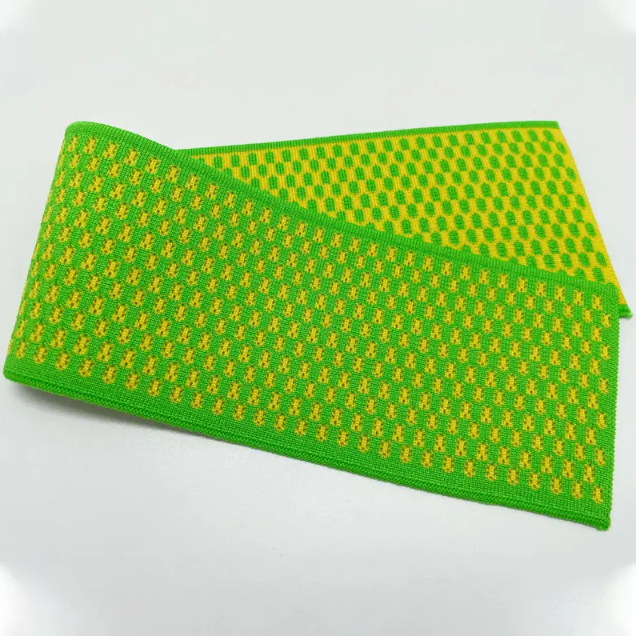
Šta je Rebrasta Tekstila za Odjeću? Definicija i Struktura
Ključne Karakteristike Rebraste Konstrukcije
Rib rež je većan na način da obrazuje vertikalne 'rebrove' koji stvaraju udoban prilagodljiv sa elastičnošću i oporom. Ova karakteristična konstrukcija čini rib materijal izuzetno u oba smisa - udobstvo i prilagodljivost, čime postaje idealan materijal za bilo koji tip odjeće koja treba da se raširi, poput majica i haljina. Koristeći različite rib konstrukcije kao što su 1x1 ili 2x2, dizajneri mogu da prilagode ukupni izgled i osjećaj stila. Rib rež u konstrukciji daje dovoljnu elastičnost za udoban prilagodljiv, a ipak gusto i čvrsto telo.
1x1 vs. 2x2 Rebro: Razumevanje Uzoraka Čašćica
Struktura prepletenog tkiva u rib uzorku kao što su 1x1 i 2x2 rib važno utiče na funkcionalnost odjeće. (S druge strane, 1x1 ribbing se međusobno menja između čivkanja i purla, što ima mnogo elastičnosti, zato je odličan za manžete i vratnike!) Suprotno tome, 2x2 rib razvija ovo u dva čivkana ševa i dva purl ševa, što rezultira mnogo debljim teksture koja je takođe savršena za čvrste pasove. Razumevanje ovakvih uzoraka je važno za izbor rib tkiva koje odgovara željenom primenama, jer sistem ševa određuje pad i debljinu tkiva. Ova inteligencija omogućava tačno konstruisanje odeće kako bi se osigurala najbolja moguća performansa u različitim situacijama.
Ključna Uloga Rib Sivice u Odjevi
Unapređivanje Prilika sa 1x1 Rib Manžetama i Vratnicima
kućišta i vratovi sa 1x1 rebrastim dizajnom su posebno važni za osiguravanje prilagođenog pritiska – kako bi se sačuvao oblik odjeće, tako i da se spreči neugodnost u delovima koji bi inače bili pretežki protiv kože. Ovo rebrasto raspravo ima izvanrednu elastičnost i dodaje dodatnu fleksibilnost za udoban prilagodni pritisk kada se kombinuje sa drugim strukturiranim materijalima poput džina, vune, rajona, trikotaže, korduroja. Mnoge od postojećih „modnih“ studija ističu važnost efektivnog korišćenja rebrastog dizajna; on može mnogo da doprinese dizajnu i estetici predmeta, ali može i da poboljša funkcionalnost odeće pružajući bliski pritisk koji prati konture tela i se pomeranja nosioca – što je mesto gde se ravnoteža forme i funkcije nalazi u najvećoj harmoniji.
Trajanje u Područjima Visoke Napetosti: Pasovi i Šive
Materijali sa tkaničastim ivicama su uobičajeni u pasovima i manžetama, jer tvrdo tkano češće pruža dodatnu čvrstoću protiv oštećenja. Ova osobina je posebno korisna u aktivnom odjeću, jer moraju ostati fleksibilni dok su pod velikim naprezanjem. Tekstilni stručnjaci često preporučuju rebraste materijale za održavanje oblika odjeće, budući da imaju visoku otpornost na oštrice, proširivost i oporavak. Kada se odjeća kao športska ili kasualna konstruišu od rebrastog materijala, imaću bolju trajnost, jer mogu da izdrže dnevne trudnosti poput praćenja i fizičkih aktivnosti.
Estetski prednosti u savremenom dizajnu odeće
Pomoću jednostavnih oblika, ribasti materijali daju odjeći moderniji izgled i teksturu. Modni dizajneri koriste ribanje kako bi postigli izgled koji je uvijek popularan i elegantan. Ova karakteristika može čini ti jednostavnu stavku, bez značajnog stilske detalje, super artikl, jer je dobar primjer kako se funkcija spoji sa stilom. Ribanje se često ističe u modnim časopisima kao ključni stilska strana u suvremenom odjeću, ne samo na funkcionalnoj, već i na razini dizajna, služeći kao sredstvo inovacije i način izražavanja kreativnosti i eksperimentiranja sa estetskim uzorcima.
Izbor Odpovede Tkanine Sa Rebrima Za Vaš Projekat
Materijalne Razmatranje: Bumbaon protiv Sintetičkih Mješavina
Dok odlučujete koju traku odabrati, pažljivo razmislite da li ćete birati među bavnom ili sintetičkim miksom u skladu sa kvalitetima koje želite za vaše odeće. Bavna traka je disna, meka i prijateljska prema koži, prilagođena za svakodnevno nošenje. S druge strane, sintetički miks, kao što su poliestar ili spandeks, pružaju veću elastičnost i jačinu, i mogu biti bolje prilagođeni za sportsku odjeću i predmete koji zahtevaju mnogo gume. Iako je poznato da karakteristike materijala za odeću treba pravilno razumeti kako bi se osigurala odgovarajuća performansa odeće za udobnost i zadovoljstvo nošaoca, studije su ipak izvršene u vezi sa proizvodnjom odeće [1].
Uravnotežavanje elastičnosti i debljine u skladu sa namenom
Važno je postići pravi balans između elastičnosti i debljine kako bi se postigla funkcija tekstila za odjeću. Elastičnost pruža ne samo pokret unutar odjeće, već i udobnost, dok debljina malo utiče na pad i oblik. Na primer, deblji rib tekstil ima toplinu i oblik, savršen za vanjsku odjeću, dok tanji rib tekstil ima elastičnost i pokret, savršen za aktivnu odjeću. Numerički rezultati ukazuju da je optimalan kompromis željan kako bi se poboljšao odziv odjeće na telovne pokrete.
Dešifrovanje LSI terminologije: Običan bavnski pamuk u usporedbi sa posebnim ribama
Razumevanje termina poput obične bavne i specijalnih repera takođe može pomoći pri izboru tkanine. Za fleksibilnost i jednostavnost, obična bavna tkanina je najbolji izbor, pružajući čist i klasičan izgled. Izvan osnovnog jednostranskog jerzija, drugi reperski uzorci kao što su 1x1 reper tkanina ili 2x1 reperno vešanje stvaraju jedinstvene teksture i performanse, kao što su veća elastičnost i oporavnjavaća sposobnost. Stručni savet je da poznajete ove terme kako biste dobili željeni izgled i bili ekonomični, tako da ćete postići najbolju kombinaciju estetskog izgleda i iskorišćenja za svoj projekat.
Šivenje i održavanje odjeve od repera
Najbolje prakse za tehnike šivenja 1x1 repera
1x1 RIB KNITTING Da biste dobili najbolje moguće rezultate sa 1x1 rib vezanjem, postoji nekoliko trika u trgovini. Bilo je posebno važno da se održi konstantan napetost kako bi se sprečilo zakrćivanje uzoraka i osigurao konzistentnost riba. Iako to ne znači da dobro razumevanje stichova i koordinacije stihova ne može mnogo pomoci u sprečavanju deformacije tkanine dok radite na tome. Stručnjaci u oblasti tekstila preporučuju korišćenje kvalitetnih vezačkih igli, jer poboljšava laganost u vezivanju i kvalitet proizvoda. Korišćenjem ovih tehnika se osigurava da vezana struktura bude ne samo vizuelno privlačna, već i stabilna.
Periva i održavanje kako bi se sačuvao elastičnost
Važno je pravilno brinuti o vašim predmetima od rib knit materijala kako bi ostali elastični. Važno je koristiti lagane mode pranja u mašini i dopustiti da se suše na zraku, jer time se sprečava da se vlakna tkanine podvrgnu nepotrebnoj napetosti. Izbežite korišćenje agresivnih sredstava za pranje, jer mogu da uzrokuju štetu tkanini. Potrošački komentari ponavljaju da, kada sledite tačne uputstva za pranje, to značajno produžiće životni vek materijala sa ribnim efektom. Ako pravilno brinete o vašoj odeći od rib knit materijala, ona će ostati elastična i zadržati oblik dugo vreme.
Buduće trendove u primeni reperastih tkanina
Održivе inovacije u reperastim tekstilijama
Tekstilna industrija punom snazi ide u smeru održivosti, a rebraste tekstile vode put. Održivi i ekološki prijateljski materijali i procesi postaju važniji u proizvodnji rebrastog teksta, uključujući korišćenje recikliranih vlakana i organskog bavna. Ove ekološki prijateljske napredovanja obeležavaju zdraviji način proizvodnje, manji ekološki otisak i iskustvo prijateljsko publiku. Analize tržišta su pokazale da takva razvojna prava ne samo što su ekološki korisna, već privlače interes jedne sektore tržišta koja je sve više svjesno o ekološkim pitanjima: kupca koji štedi energiju. To je u skladu sa većim pomakom u industriji prema održivoj modni koja se sve više fokusira na etičnu stranu proizvodnje i uzima odgovornost prema potrošačima.
Proširenje upotrebe izvan tradicionalnog šivenja
Ribljeni šaci proširuju svoju ulogu iz tradične oblasti proizvodnje odjeće na nove područje, kao što su dekoriranje kuća i priloge. Prilagodljivost ribljenog tkiva čini ga savršenim izborom za dizajnere da igraju u različitim dizajnerskim kontekstima. Jača/Gladka: Ova fleksibilnost omogućava dizajnerima slobodu da zamisle, omogućujući im dizajniranje. U obziru na 'pulsiranje' koje vodi, ovo očekivano pravceće će početi da se širi kroz brojne sektore. Postoji veće izlazno količina svetlosti za vaš jasan i moćan svetlo, uz to da emiter postaje sve tanklji i tanklji. Ovi tekstilijati sve više postaju ključni elementi za ispunjavanje potreba potrošača za proizvodima koji su i funkcionalni i modne