 EN
EN

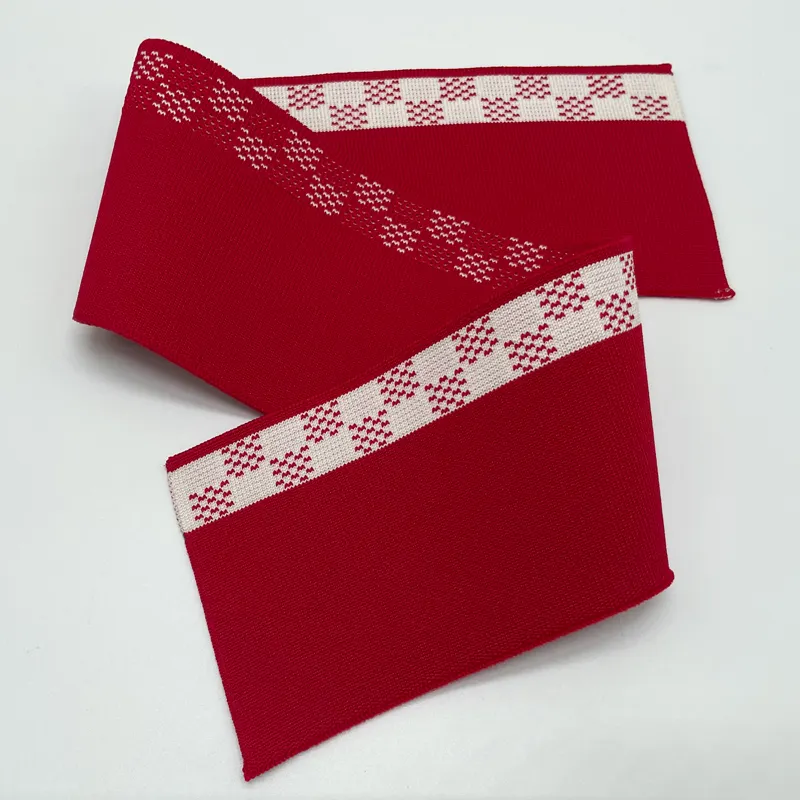
The Science Behind Rib Knit Collars
1x1 Rib Knitting: Construction Essentials
What makes 1x1 rib knitting so special is how it alternates between knit and purl stitches, creating those stretchy yet sturdy rib patterns we see in collar areas all the time. The result? Fabric with both strength and bounce that holds its shape even after repeated wear. Most knitters will work with different materials when doing this technique cotton threads are common choice because they let air circulate better, but blended yarns also come into play. These mixes often give that tight fit needed around wristbands or necklines where garments need to stay put. Special machines handle the stitch switching during production, something that takes real precision to get right across large batches. For textile makers looking to improve their designs, getting comfortable with these ribbing techniques opens up possibilities for creating products that last longer while still looking good on customers.
2x1 Rib Fabric vs Plain Cotton Fabric Comparisons
Comparing 2x1 rib fabric against regular cotton shows some pretty big differences in how they feel and move, which affects overall comfort when wearing clothes made from them. Rib fabric has this nice textured feel and stretches quite a bit because of the way it's knitted together in those little loops, so it fits better on body movements. That extra give makes it ideal for things like yoga pants or workout gear where flexibility matters. Cotton fabric feels smoother to touch but doesn't stretch much at all. It stays light on the skin and lets air circulate well, which is why people often choose it for t-shirts, jeans, or sundresses worn around town. When it comes to keeping warm, ribbed materials actually do a better job than flat cotton since they're thicker and trap heat more effectively. Look no further than sweaters and sweatpants for rib fabric applications, while cotton dominates in everyday staples like dress shirts and beachwear. Knowing these basics helps shoppers pick out clothes that work best for what they need to wear day to day.
Comfort Engineering in Rib Knit Collars
Breathability and Skin-Friendly Properties
Rib knit collars breathe really well, which makes them super useful when the weather keeps changing throughout the day. The reason they work so great is because of materials like cotton and wool that let air move through while pulling sweat away from the skin. Research shows these properties help keep people comfortable even when temperatures swing around, which explains why rib knit collars are good choices no matter what kind of weather we're facing. What's interesting too is that many of the yarns used in rib knitting happen to be gentle on skin, something that matters a lot for folks who get irritated easily by regular fabrics. People with sensitive skin can actually wear clothes all day without getting that uncomfortable feeling that synthetic materials often cause. Loads of customers report exactly this experience, pointing out how much better they feel wearing garments with those rib knit collars compared to other options on the market.
Strategic Elasticity for All-Day Wear
What makes rib knit collars so comfortable all day long? Well, they've got this special stretch built right in. The magic happens when they find just the right mix between giving a little and holding firm enough not to droop down on us. Regular old fabrics just can't match this balance. People love how rib knits let them move around without feeling restricted, especially during those days when we're constantly shifting positions. Look at what customers actually say about wearing these kinds of collars for hours on end - most report staying satisfied because the fabric keeps adapting to whatever activity comes next. After trying out different options, many folks discover that rib knit collars really do work best for long periods of wear, making them worth considering for anyone who spends time on their feet or needs clothing that moves with them naturally.
Style Evolution of Rib Knit Collars
Modern Adaptations in High Fashion
Rib knit collars are blowing up on the fashion scene right now, and they've come a long way from where they started. Look at what's happening on the runways lately - designers are getting really creative with how they incorporate these traditional knits into today's looks. Take last season for instance when Stella McCartney paired ribbed collar details with sleek leather jackets, creating something both familiar and totally fresh. Big name designers teaming up with specialty knitwear houses has definitely pushed this trend forward. Think of Alexander McQueen working with Woolrich on those amazing cable knit pieces that turned heads everywhere. The color game is changing too. No longer just stuck in neutral tones, we're seeing bold reds mixed with black, pastels combined with metallic threads, all sorts of interesting combinations that catch the eye. What makes this whole thing work so well is that while rib knits still offer that stretchy comfort everyone loves, they're now dressed up enough to fit right into high end collections. Pretty much every major label seems to be featuring some version of rib knit collar these days.
Layered Looks with Plain Cotton Fabric
Rib knit collars work wonders with plain cotton shirts, making those layered outfits look so much better than just wearing one thing over another. These collars are super versatile too. They fit right into almost every situation, whether someone is heading out for coffee or going to a business meeting. That's why most people find them really useful for building a good collection of clothes that actually gets worn. When it comes to changing seasons, these collars shine especially bright during those awkward times when it's neither hot nor cold enough to wear summer or winter gear properly. Fashion gurus often suggest pairing ribbed fabrics with simple cotton pieces because this contrast creates something interesting without being too complicated. Think about it this way: when different materials come together on a person, what results isn't just pretty to look at but makes sense practically as well. On those cool fall days when there's still some warmth left in the air, or when bundling up against winter chill becomes necessary, combining rib knit collars with regular cotton items opens up all sorts of options for putting together outfits that stand out while staying comfortable.
Performance and Practical Benefits
Shape Retention Through Wash Cycles
Rib knit collars hold their shape much better than regular ones, even after lots of washing. The reason? Their special knitting pattern gives them extra stretch and resilience, something fabric tests have shown time and again. For best results with care, go for cold water washes and gentle tumble drying settings to keep those elastic properties intact. People who follow this routine find they don't need to replace their rib knit collars nearly as often as other types. That kind of longevity combined with practical benefits makes rib knit collars worth considering for anyone building a reliable wardrobe foundation.
Durability of 1x1 Rib Cuff Construction
Cuffs made with 1x1 rib construction stand out for how tough they are, combining good stretch with real staying power. Most other cuff styles start showing wear pretty quickly, but these 1x1 ribs hold up against pilling and fraying even when put through their paces. We've seen them last much longer than thinner fabrics in our testing. For anyone shopping for rib knits, look specifically for items with this type of cuff if they'll be doing anything that involves a lot of bending or stretching. The difference in durability makes all the difference in how long clothes actually last before needing replacement, which is definitely worth considering when making purchases.
Care Techniques for Longevity
Temperature and Drying Guidelines
Rib knit collars tend to last longer when washed and dried properly. Cold water settings are best because hot water can cause shrinkage and ruin the stretchy quality of the fabric. Going for gentle wash cycles makes all the difference since rougher settings just wear down those delicate knits over time. Whenever possible, air drying works wonders for keeping things soft and durable. But we all know laundry day sometimes demands using the dryer. Just set it to low heat then. For little spills or spots, spot cleaning with a dab of mild soap usually does the trick without damaging the fibers. A few simple steps like these go a long way toward making sure those rib knit pieces stay looking good for years instead of falling apart after just a couple washes.
Avoiding Snags in Textured Knits
Rib knit collars need some special attention if we want to keep them looking good and lasting longer. The main thing is avoiding those pesky snags that ruin both how they look and how long they last. When dealing with rib knit fabrics, steer clear of anything rough or scratchy that might grab onto the fabric and tug at it. Materials like silk or soft cotton work better since they don't tend to snag as much against the ribbed texture. For storage purposes, folding these items makes more sense than hanging them up because hanging can stretch out the ribs over time or create new snags where there weren't any before. If something does get caught, don't panic! A basic fix involves taking a small crochet hook and gently working the loose thread back into place. This little trick has saved many a favorite sweater from being tossed aside too soon.