 EN
EN

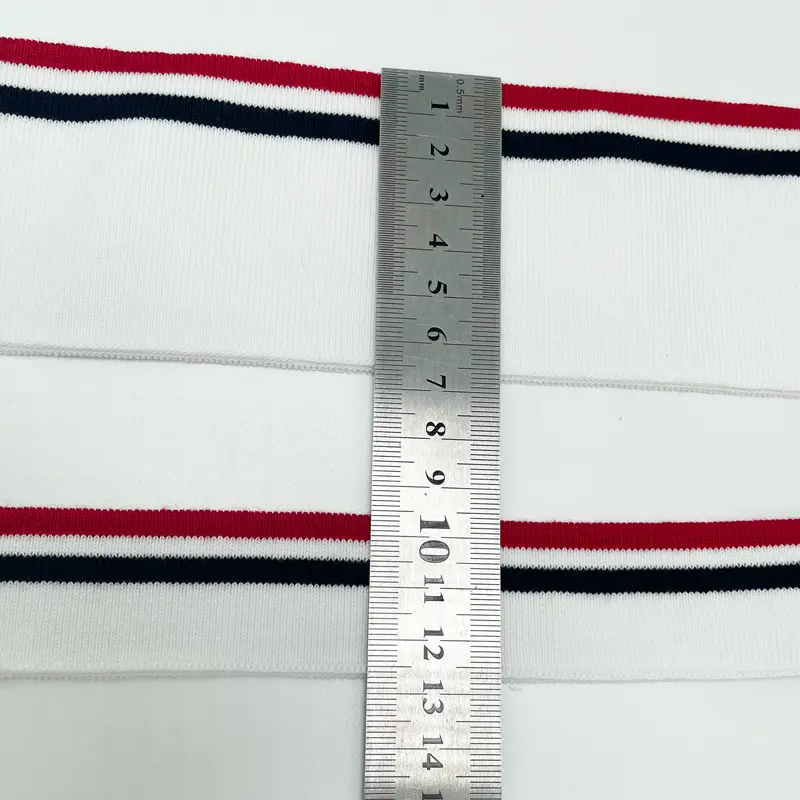
What is Stripe Rib Fabric?
The Structure of Rib Knitting (1x1 vs 2x2)
Rib knitting gets its name from the bumpy texture created when we alternate knit and purl stitches back and forth. When we do 1x1 ribbing (one knit, one purl repeated), the fabric becomes really tight and stretchy. That's why knitters love using this technique for things like sweater cuffs and sock hems where they need something that will hold its shape but still give a bit. On the other hand, 2x2 ribbing means knitting two stitches then purpling two, creating a fabric that's not as tight but much thicker. This version works great for winter sweaters because it adds bulk while still keeping some stretch. Most knitters choose between these options based on what their project needs. Do they want something super stretchy for a snug fit? Go with 1x1. Need more warmth and body in the fabric? Then 2x2 ribbing usually does the trick better.
How Ribbing Creates Visual Texture
Ribbing gives clothes a special texture that really makes them stand out visually. When looking closely, those raised knit parts reflect light in ways that differ from the flat purl areas, which creates interesting contrasts and makes the fabric look more three dimensional. Adding stripes takes this even further. Striped patterns often make someone appear taller when worn, something many people notice without realizing why. Playing around with colors within those stripes adds another layer of visual interest too. The way different shades work together brings depth to what might otherwise be a simple design. Industry insiders point out that these kinds of textures actually affect how we see clothing generally. People tend to respond better to items with some sort of visual complexity rather than plain surfaces. Textured fabrics fit right into today's fashion scene where uniqueness matters almost as much as practicality does for most shoppers.
Benefits of Using Stripe Rib in Garments
Enhanced Stretch and Recovery
Ribbed stripe fabrics have excellent stretch and bounce back characteristics, which makes them great for all sorts of clothing items, particularly workout gear. The rib pattern lets the material stretch naturally across different body parts and then snap back into place once taken off. People who work with textiles often point out that clothes made from rib knit materials tend to keep their shape much longer compared to regular non-stretch fabrics. This kind of flexibility does two things at once it makes the clothes last longer while also feeling much more comfortable on the skin. Wearers get full range of motion without fighting against tight spots or awkward stiffness throughout the day.
Adding Visual Dimension
Stripe ribbing is pretty versatile stuff when it comes to clothing design. It gives fabric some depth and makes otherwise flat materials look more interesting. These stripes create movement and texture that stand out against boring solid colors. Fashion designers love playing around with different widths and color combinations to create totally unique pieces that catch people's eyes. Many style bloggers have been raving about how these textured stripes can become the star of any outfit these days. They fit right into what's trending now, making them a smart choice for anyone wanting to stay fashionable without going overboard.
Durability Advantages
Stripe rib fabrics last much longer than most plain knits, which makes them really worth considering for everyday wear. What gives these fabrics their strength? Well, it's those alternating knit and purl stitches that create this extra sturdy texture. People who have worn clothes made from ribbed fabric know they tend to hold up better over time. Studies have actually shown that when used in places where fabric gets stretched out a lot like around elbows or knees, ribbed materials just don't sag as quickly. They keep their shape way longer than other types of knitting. With so many folks looking for ways to shop more sustainably nowadays, the fact that stripe rib fabrics simply last longer means less frequent replacements. That translates into real savings for budgets while also being kinder to our planet in the long run.
Creative Applications for Stripe Rib
Accent Details: Cuffs, Collars and Hems
Stripe rib fabric works great for adding interest to places like cuffs, collars, and hems on clothes, making everyday outfits stand out as something special. What makes stripe rib so good is that it stretches naturally, giving garments both a snug fit without feeling tight, plus creating visual texture that catches the eye. Many designers play around with how wide or narrow those stripes appear in different parts of a piece, which helps give old favorites a fresh look. When done right, these little touches become the main attraction of a garment, drawing attention to certain body shapes while still keeping everything comfortable to wear throughout the day.
Statement Waistbands and Trims
Stripe ribbing has become really popular lately in waistbands and trim areas across modern fashion designs. What makes these ribbed fabrics so great? They naturally stretch and adjust, which means waistbands stay comfortable all day long while moving with whatever activity someone happens to be doing. We're seeing this trend work wonders when it comes to clothes that can go from weekend wear straight into office environments without looking out of place. The detail in those waistband edges actually does something special too they tie together different parts of an outfit, helping everything look put together even if individual pieces come from various collections or brands.
Full Garment Integration
When stripe rib fabric covers an entire garment, it opens up all sorts of creative possibilities where fashion meets function. Designers find that using this material throughout creates really interesting movement patterns on clothes, so they're both comfy to wear and look great hanging in someone's closet. The whole garment approach tends to produce some pretty distinctive shapes that showcase how much thought went into making each item. Fashion insiders have noticed something else too these days when customers see clothes made entirely from stripe rib fabric, they tend to think of them as higher end products because of that special feel and appearance.
Working with Stripe Rib Fabrics
Sewing Techniques and Best Practices
Working with stripe rib fabric requires knowing some special sewing tricks. A good start is grabbing a ballpoint needle since regular needles tend to snag and tear these stretchy materials while stitching. For stitches, zigzag tends to work better than straight lines because it allows the fabric to keep moving without breaking at the seams when someone wears the finished piece. Many sewers also find it wise to give their stripe rib fabric a wash before getting started on projects. This simple step can save headaches later on by preventing unexpected shrinking or warping that would mess up how everything fits together in the end.
Incorporating Color Contrasts
Adding color contrasts to stripe rib fabrics really makes them stand out visually. When designers get creative with color theory, they produce clothes that grab attention and actually stir up certain feelings in people. Take a look at how balancing bold colors against each other works wonders on these fabric patterns it transforms ordinary items into something much more appealing for different events and settings. The fashion world has noticed this trend toward bright, contrasting colors in ribbed materials lately. Stores are seeing better sales because customers want those eye-catching pieces that scream personality when worn. Many shoppers now actively seek out these kinds of statement-making garments rather than settling for plain options.
Care and Maintenance
Taking good care of striped rib fabrics matters a lot if we want them to look nice and last longer. Most experts recommend washing these materials in cold water and letting them air dry rather than tossing them in the dryer. The heat from machines tends to ruin the stretchiness that makes ribbed fabrics so comfortable. When trying to make ribbed clothes last even longer, it pays off to skip those strong detergents and go for mild ones instead. Gentle washing cycles work wonders too. And don't forget about storage either. Laying items flat on a shelf or hanging rod helps maintain shape much better than just folding them up. This simple step prevents those annoying stretches and color fades that nobody wants to see after months of wearing their favorite ribbed tops and bottoms.