 EN
EN

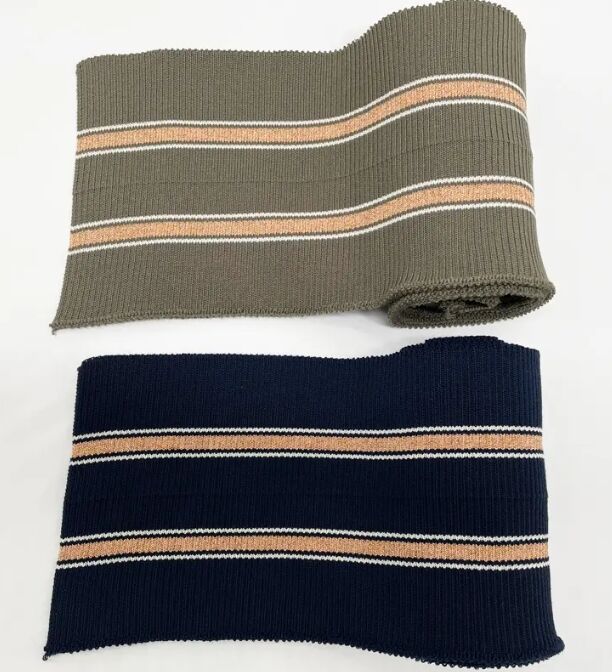
Why Jacket Rib Is Critical for Long-Lasting Neckline and Hem Integrity
The ribbing on jackets actually gives those tricky spots around the neckline and hem some much needed support. The way it's knitted spreads out pressure along those vertical lines instead of letting all the strain build up in one place. That means fabrics don't get worn out so quickly near the edges where people tend to grab or stretch them while putting clothes on or taking them off. According to tests from the Textile Performance Institute back in 2023, clothes with these ribbed sections keep about 89% of their original shape even after being worn regularly for a whole year. That's pretty impressive compared to regular knits which only hold their shape about 35% better than standard materials. When stress gets distributed properly across seams, there's just not as much chance for tears to start forming at those weak points.
How jacket rib prevents edge distortion under daily wear and washing
When fabric is made with an alternating knit and purl pattern, it gets this really nice stretch in multiple directions that helps take the strain off when someone moves around. After repeated washes, these rib structures keep their shape because they remember how tight they should be, which stops those annoying issues like hems getting too wide or necklines stretching out of shape. Tests done across the industry reveal something interesting about durability too. Ribbed fabrics can handle over 200 stretches before showing signs of wear, while regular flat knits start breaking down after only about 50 stretches. That kind of strength makes all the difference at the parts of jackets that usually fall apart first from normal wear and tear.
Elastic recovery, shape retention, and fatigue resistance in premium jacket rib
High quality fabrics made with cotton, polyester and spandex work together to give better bounce back properties thanks to special yarn construction techniques. When spandex fibers are wrapped in polyester, they can stretch and then return to their original shape about 95% of the time after being stretched out. That's actually around 40% better than regular cotton ribbing materials. The way these fibers resist wear at a microscopic level helps keep shirt collars from sagging down and prevents hemlines from curling up, no matter how many times the garment gets squashed in luggage compartments or worn during long periods of sitting. Tests show that these improved rib structures only change size by less than 2% after going through fifty heavy duty washing cycles, which is pretty impressive for fabric performance.
Key Material Properties That Define High-Performance Jacket Rib
Rib knit structure: 1x1 vs. 2x2 stretch ratios and recovery consistency
How a fabric is knitted really affects how it performs. Take 1x1 ribbing where the knit and purl stitches alternate back and forth. This creates good stretchiness, usually around 40 to 60 percent stretch recovery, which makes it great for those tight fitting collars that need to keep their shape after being stretched many times. On the other hand, 2x2 rib structures have two knit stitches followed by two purl stitches. These give only moderate stretch but hold their shape much better over time, so they don't get all wobbly at the edges after washing. Some tests show that well made 1x1 fabrics can stay looking good on collars for over 50 washes. Meanwhile, the 2x2 version tends to hold up better against drooping in heavy coats and jackets, especially when worn regularly throughout cold seasons.
| Structure | Stretch Capacity | Recovery Rate | Best Application |
|---|---|---|---|
| 1x1 Rib | High (40-60%) | Excellent | Tailored collars, cuffs |
| 2x2 Rib | Moderate (20-40%) | High | Hem bands, sportswear trims |
Fiber composition (cotton, polyester, spandex blends) and durability trade-offs
What materials we choose really matters when it comes to how long things last. Cotton blends that have around 70 to 85% cotton mixed with 15 to 30% polyester breathe well but tend to lose their stretch about 18 percent quicker after multiple washes compared to all synthetic fabrics. Most performance jackets use a mix of polyester making up 60 to 80% and spandex around 15 to 20%, which holds its shape remarkably well even after thousands of stretches. But there's a trade off here too. Fabrics with lots of spandex just don't stand up to rubbing as well. Testing shows they wear down about 12% faster on the surface than those cotton polyester mixes. When dealing with harsh environments though, special core spun yarns wrapped in nylon actually hold up about 30% better against constant stress compared to regular fabric blends.
Smart Construction Techniques to Maximize Jacket Rib Functionality
Precision rib attachment: tension control, seam placement, and stitch type
Getting things right starts with how components attach properly. When it comes to tension, getting it just right makes all the difference. Edge distortion happens when tension goes off track, and guess what? About two thirds of people working in garments point fingers at wrong tension settings whenever ribs start failing early. For seams, positioning matters a lot too. Most experts recommend placing them around half a centimeter away from those rough edges where fabric meets fabric. This helps spread out stress so nothing breaks down unexpectedly. What kind of stitches we use counts just as much. Triple needle coverstitching holds up really well, keeping around 98 percent shape after stretching compared to only 74 percent for regular single needle options, studies show.
Strategic interfacing and bonding for neckline stability without stiffness
New bonding methods actually boost durability without making things uncomfortable for the wearer. Take ultrasonic welding for instance it produces those hidden reinforcement spots that make fabric way more resistant to wear and tear than regular stitching does, probably around 45% better if we're talking numbers. Then there's this breathable knit stuff they apply in these diagonal cuts that really hug the collar shape naturally. It keeps everything flexible but still holds up after loads of washing, like over fifty times without losing its form. And when it comes to keeping shapes intact during stress tests? These improved materials hold on to their original look at about 85%, whereas standard ribbed fabrics tend to sag out at only 60%. Makes all the difference in quality garments that last longer.
Design Best Practices: Balancing Aesthetics, Comfort, and Structural Performance of Jacket Rib
Designing effective ribs on jackets requires finding the sweet spot between looking good, feeling great against the skin, and lasting through regular wear and tear. For performance oriented outerwear, manufacturers typically go with polyester-spandex combinations since these materials hold up better when stitched tightly together at around 18 to 22 stitches per inch. Fashion conscious designs tend to use softer blends like cotton and polyester with looser stitching around 14 to 16 stitches per inch because they drape nicer and feel gentler on the skin. The actual rib dimensions matter too. Half inch trims work well for those neat mandarin collar looks, whereas utility jackets usually need about three inches of ribbing to keep from sagging and maintain that clean neckline shape over time. When designers get all these elements right material selection, how it's put together, and what the garment is meant to achieve they end up creating clothes that stay both fashionable and functional even after months of being worn.
Frequently Asked Questions
Why is jacket ribbing important for garment longevity?
Jacket ribbing distributes pressure evenly along the neckline and hem, preventing fabric wear and tear over time, thus extending garment life.
What materials are best for durable ribbing?
Blends of cotton, polyester, and spandex are excellent for durable ribbing due to their elasticity and shape retention.
How does rib structure affect jacket performance?
The structure, like 1x1 or 2x2 ribbing, affects stretch capacity and recovery rate, impacting how well the jacket maintains its form with use.
What are the construction techniques for effective ribbing?
Precision rib attachment, tension control, seam placement, and strategic interfacing are key techniques for effective ribbing in jackets.
Table of Contents
- Why Jacket Rib Is Critical for Long-Lasting Neckline and Hem Integrity
- Key Material Properties That Define High-Performance Jacket Rib
- Smart Construction Techniques to Maximize Jacket Rib Functionality
- Design Best Practices: Balancing Aesthetics, Comfort, and Structural Performance of Jacket Rib
- Frequently Asked Questions