 EN
EN

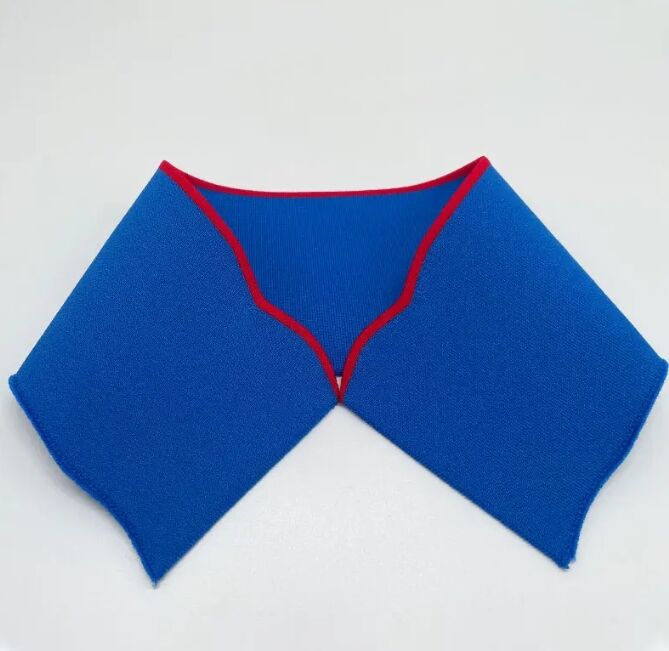
Why Small-Order Customization Is Reshaping Knitting Rib Demand
The MOQ crisis in apparel sourcing and how knitting rib solves it
Most traditional clothing makers get stuck dealing with MOQ requirements that usually range between 500 and 5,000 pieces per design. These minimums push mid-sized brands into buying way more stock than they need. According to McKinsey research from last year, this problem costs these companies around $1.2 million annually in unsold goods, which really limits what designers can create and raises the financial stakes. Enter rib knitting tech, which cuts through this issue entirely. New generation rib knitting machines let manufacturers produce tiny batches starting at just 50 items without needing expensive setup changes or facing extra charges. What makes this work? The unique stitch pattern creates stable fabric even when making small quantities, so quality stays consistent regardless of how many pieces are made at once. Brands now test new designs on actual markets before committing big bucks, making custom orders something practical rather than just a nice-to-have feature in today's fast changing fashion landscape.
Data-driven growth: Micro-batch fashion, DTC brands, and on-demand production
Direct-to-consumer (DTC) and micro-batch producers now account for 38% of premium knitwear growth (Statista 2024), largely enabled by knitting rib’s agility. Its integration into data-responsive supply chains delivers measurable efficiency gains:
- Agile manufacturing cycles: From digital design to finished garment in just 72 hours
- Demand-matched production: Output scales precisely to real-time sales signals
- Near-zero waste: 97% yarn utilization–significantly higher than the 78% average in cut-and-sew
| Category | Traditional Production | Knitting Rib Solution |
|---|---|---|
| Minimum Order | 500+ units | ₹50 units |
| Sampling Time | 3–6 weeks | 72 hours |
| Inventory Waste | 23% average | <5% |
This shift empowers emerging labels to launch trend-responsive capsule collections–without carrying financing burdens or excess stock–and positions knitting rib as foundational infrastructure for personalized, demand-led apparel ecosystems.
How Knitting Rib’s Inherent Structure Enables Scalable Customization
Rib knit fabric architecture: Interlock elasticity and dimensional stability
Rib knit fabric gets its distinctive look from those alternating rows of knit and purl stitches which create those characteristic vertical ridges. The way these loops are interconnected gives the material amazing stretch across the width dimension. Tests show this crosswise stretch can be around 30% better than regular jersey knits while still keeping the length dimension stable over time. What really stands out though is how well it remembers its shape. After getting stretched out multiple times, rib knit tends to bounce back pretty much to where it started without sagging or warping when worn. This special combination of stretch control and strength explains why manufacturers rely on rib knits so much for parts of clothing that need to hold their shape under stress, think about those tight-fitting cuffs on workout pants, the collars inside shirts, or even compression gear areas that need consistent pressure.
Technical adaptability of knitting rib–gauge, density, and yarn flexibility
Knitting rib supports granular customization through three core, independently adjustable parameters:
- Gauge (needle size): Determines rib width and visual definition–finer needles yield subtle texture and enhanced drape; coarser needles increase ridge prominence and compression.
- Stitch density: Controls recovery force–tighter loops deliver higher shape retention and firmer support.
- Yarn composition: Enables functional tailoring–cotton for breathability, polyester for up to 92% shape recovery (per AATCC Test Method 133), or wool blends for thermal regulation.
This flexibility allows application-specific engineering–from lightweight 2–2 ribs in athleisure to dense 1–1 constructions in medical-grade braces–without MOQ constraints or process reconfiguration.
| Structural Element | Customization Impact | Performance Outcome |
|---|---|---|
| Gauge (needle size) | Controls rib width/definition | Finer gauge = drape, bolder gauge = compression |
| Stitch density | Adjusts stretch resistance | Higher density = greater shape retention |
| Yarn composition | Modifies functional properties | Cotton (breathable), Synthetics (high recovery) |
Knitting Rib Customization in Practice: From Spec to Shipment
No-MOQ workflows: Digital sampling, rapid prototyping, and short-run dyeing
Fashion companies are finding ways around minimum order quantity restrictions through digital workflows that connect virtual design with physical production. Advanced 3D modeling software can simulate how rib knit fabrics will behave when stretched, draped over different shapes, or touched for texture long before anyone cuts actual material. The latest industry data from early 2024 shows that creating prototypes digitally first saves brands between 40 and 60 percent on sample costs compared to traditional methods. When designs get the green light, they go straight to computer controlled knitting machines that produce test runs under 20 yards. These smaller samples let manufacturers check things like whether the machine needs adjusting for tighter stitches, if different fibers blend properly in small quantities, and if patterns look right after being uploaded digitally. Special dyeing equipment works wonders too, coloring only around 10 kilograms of fabric at a time so brands can launch new colors seasonally without ending up with leftover stock. All these technological advances mean what used to take months in the old system now happens in about three weeks flat.
Real-world case: Boutique activewear brand scaling with custom knitting rib
One high-end yoga apparel company wanted those signature compression cuffs for their latest line but wasn't ready to jump into a massive 5,000 unit order just yet. So what did they do? They hooked up with this nimble knitting rib manufacturer who could handle smaller runs. Together, they tested out four different stretch profiles using digital samples before moving on to actual prototypes made from their special blend of polyester and spandex through quick turnaround prototyping methods. When it came time to ship the first season's inventory, everything went out in manageable 200 unit batches. And here's the kicker: the whole system was designed to respond fast to whatever happened in the market.
"The feedback showed our 12% stretch retention fabric actually performed better than both the 8% and 15% options," said the production manager at their recent meeting. Because they weren't locked into big orders anymore, most of what they saved from inventory went straight into social media campaigns focused on those ribbed designs. And it worked pretty well too - sales jumped three times what they were before specifically for items featuring ribs. Over about a year and a half, the company expanded their product line to include 15 different styles, but kept each manufacturing run below 500 pieces. This approach proved something important: when companies can adjust their rib knitting quickly, they grow steadily without running into problems from making too much stuff nobody wants.
Future-Proofing Knitting Rib: Sustainability and Smart Integration
Sustainability efforts across textiles are really pushing boundaries when it comes to how we make rib knits these days. Factories implementing closed loop water systems alongside biodegradable yarns have cut down on both water consumption and harmful chemical waste by about thirty percent or so, meeting those strict EU Ecodesign requirements and ZDHC guidelines too. Meanwhile there's been some pretty cool tech developments happening with rib knit fabrics lately. Manufacturers are starting to embed phase change materials right into the yarn itself which helps regulate body temperature automatically. Some even incorporate conductive threads that allow for continuous health monitoring without affecting the fabric's elasticity or feel against skin. These improvements aren't just making rib knit more eco friendly they're also transforming it into something manufacturers can produce in smaller batches while still adding premium features customers actually want. With advances in materials research combined with better manufacturing techniques, rib knit isn't just another fabric option anymore. It represents a serious opportunity for brands looking to create clothing that works smarter rather than harder.
FAQ
What does MOQ stand for in apparel manufacturing?
MOQ stands for Minimum Order Quantity, which refers to the smallest number of units a manufacturer is willing to produce per design.
Why is small-order customization important in fashion?
Small-order customization allows brands to test new designs in the market without the burden of high inventory costs and helps them respond swiftly to demand changes, minimizing waste and financial risk.
How does rib knitting contribute to sustainable fashion?
Rib knitting is more sustainable due to its high yarn utilization rate and the ability to create small batches, reducing waste. Advanced techniques also enable using eco-friendly materials and processes.
What are common uses for rib knit fabric?
Rib knit is commonly used in areas of garments requiring elasticity and shape retention, such as cuffs, collars, and compression wear.