 EN
EN

Decorative Uses of Durable Webbing in Fashion Design
Understanding Durable Webbing in Clothing Decoration
Webbing that lasts a long time serves two purposes in today's clothing designs it strengthens the structure while also making a fashion statement. What started out as something made for heavy industry has become those thick woven fabric strips we see adding interesting texture contrasts in both high fashion runways and everyday street styles. According to some recent findings from the Textile Innovation folks, around two thirds of designers actually pick webbing mainly because it looks good rather than just being tough. The numbers tell us something about current trends in fashion design.
Adding Style with Patterned and Colored Webbing Accents
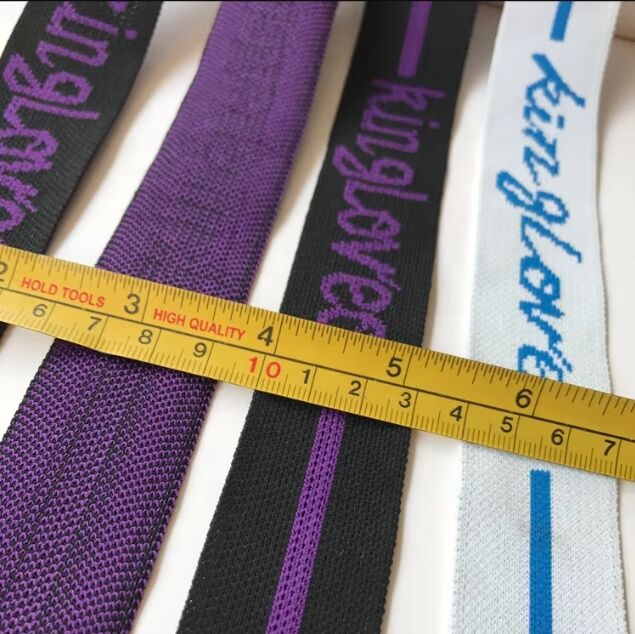
Many fashion brands are turning to patterned and colored webbing as an affordable way to bring eye-catching geometric shapes or seasonal colors into their collections. Compared to traditional embroidery techniques or fabric printing methods, dyed nylon and polyester webbing stands out for lasting color that holds up after dozens of washes. Tests show these materials maintain their brightness even after over 50 cycles in ASTM colorfastness evaluations. Designers have been playing around with this material lately, adding bold webbing stripes to trench coats that pop against muted outerwear, while handbag makers incorporate floral patterned straps into crossbody bags that stand apart from plain leather options on store racks.
Customizing Webbing with Logos, Colors, and Weaves for Brand Identity
Brands can actually weave their logos right into practical parts of clothing these days thanks to custom woven webbing technology. Things like belt loops and those little strap adjusters aren't just functional anymore they can carry brand marks too. According to some recent research from the 2024 Apparel Branding Survey, about 4 out of every 10 shoppers spot products quicker when they see brand names built into the actual structure instead of just reading them on regular tags. The big manufacturers are getting pretty creative with this stuff too. They stock upwards of 500 different thread colors alone, plus they've developed special methods like that cool 3D ribbing technique which gives certain areas a unique texture so customers can feel the brand presence even without looking.
Polyester and Nylon Webbing in High-Visibility Fashion Applications
Polyester has become the go to fabric for high visibility clothing because it stands up really well to sunlight. According to those ISO tests we all trust, polyester blocks around 98% of those harmful UVA and UVB rays, plus the colors just don't fade like other fabrics do. Meanwhile nylon brings something different to the table with its stretchiness, which makes it perfect for those tight fitting athletic harnesses that need to move with the body. When it comes to safety standards, both polyester and nylon pass the flammability tests required for stage costumes and festival gear. The textile industry has been working on some cool stuff lately too, like applying metallic finishes through heat transfer methods without making the fabric stiff or uncomfortable to wear.
Case Study: Premium Fashion Brands Leveraging Decorative Webbing
A luxury outerwear label tripled sales by replacing standard zipper pulls with custom gold-flecked webbing pulls in its winter collection. As analyzed in 2023 Fashion Tech Case Studies, this detail drove a 210% increase in social media engagement through user-generated content highlighting the distinctive design.
Functional Applications of Webbing in Garment Construction
Webbing as a durable fixing element: Combining strength and utility
Polyester and nylon webbing form the backbone of many garment construction techniques, offering impressive tensile strength around 4500 Newtons while still remaining light enough to work with easily. These materials hold zippers in place, let people tighten their straps when needed, and keep those annoying pocket flaps from flopping around all over the place without tearing through the main fabric. Traditional sewing methods just can't match this kind of durability distribution across stress areas, which means less fraying and breaking at spots where clothes naturally get worn out faster. The fact that they resist getting soaked up by water makes these webs particularly good choices for jackets meant to stand up against drizzle or for backpacks that might end up sitting in damp conditions during camping trips.
Structural support using strong webbing materials in high-stress areas
The areas where clothes get stretched out the most like shoulder straps, waistbands around the hips, and those tricky knee joints all benefit from strong webbing material that stops them from getting misshapen or having seams come apart. When we look at polyester fabrics specifically, they don't stretch much at all actually staying within about 10% extension even when weight is applied which helps keep clothing looking good while someone moves around in it. Take tactical gear as another case point these vests often incorporate multiple layers of nylon webbing so they can hold up against heavy loads without sacrificing breathability. According to some research published back in 2022 by Textile Engineering Journal, this kind of reinforcement cuts down on seam slippage problems by roughly two thirds when compared with regular garments that lack such strengthening measures.
Narrow woven webbing in belts, straps, and closure systems
Webbing that's narrow in width, typically between 6 to 25 mm, offers real precision when it comes to making belts, closing bags, and attaching shoes. The flat shape works really well with standard buckles and D-rings, allowing for adjustments without adding unnecessary bulk to whatever item is being made. When looking at backpack designs specifically, polyester webbing of this type can actually hold around 200 pounds of force per inch according to tests done on how much weight it can carry. Another great feature is that colors stay vibrant over time, even when exposed to sunlight for extended periods. This makes sense for outdoor gear where fading would be a problem.
Elastic webbing for flexible fit and dynamic garment performance
Elastic webbing is basically made by combining polyurethane threads with a woven polyester center, which gives it that nice controlled stretch range of around 30 to 50 percent. Many sportswear companies have started incorporating this material into their waistbands and cuffs because it helps people move better without things getting all loose and saggy after a workout. According to some tests done at Sportstech Lab back in 2023, athletes actually had about 18% more movement freedom when wearing clothes with elastic webbing compared to those stiff alternatives. And what's really great about this stuff is that it bounces back pretty well too. The recovery rate is over 95%, so even after multiple washes and wears, the material keeps performing as expected without losing its shape or effectiveness.
Material Comparison: Cotton, Nylon, and Polyester Webbing
Cotton Webbing: Softness and Customization Potential in Apparel
Cotton webbing offers natural breathability and softness, ideal for decorative trims and skin-contact applications. Eco-conscious brands often pair it with plant-based dyes for unique, biodegradable finishes. However, its tensile strength (1,000–1,500 lbs) is significantly lower than synthetics, limiting use in load-bearing areas.
Nylon Webbing: High Tensile Strength and Resistance to Environmental Wear
Nylon excels in heavy-duty applications with tensile strength reaching 7,000 lbs and 15–20% elasticity to absorb dynamic loads. Its polyamide structure resists abrasion 20–30% better than polyester. However, prolonged UV exposure reduces strength retention to 70% after 1,000 hours, making it best suited for adjustable straps in outdoor gear rather than permanent installations.
Polyester Webbing: Superior Durability, UV Resistance, and Color Retention
Polyester outperforms nylon in UV stability, retaining 95% of its strength under sunlight, and maintains 90% wet strength compared to nylon’s 85%. With only 3–5% stretch and strong chemical resistance, it's preferred for long-term outdoor use and color-critical designs where fade resistance is essential.
| Property | Cotton | Nylon | Polyester |
|---|---|---|---|
| Tensile Strength | 1,500 lbs | 7,000 lbs | 6,000 lbs |
| UV Resistance | Poor | Moderate | Excellent |
| Moisture Retention | 8-12% | 4-6% | 0.4-0.8% |
| Stretch Capacity | 2-3% | 15-20% | 3-5% |
Sustainability Debate: Natural vs. Synthetic Webbing in Eco-Conscious Fashion
The fact that cotton breaks down naturally doesn't really matter much when we look at how thirsty it is for water. We're talking about 2,700 liters needed just to make one kilogram of cotton fabric, while synthetic fabrics only need around 50 liters. Now most people know nylon and polyester come from oil, but there are actually recycled alternatives now such as ECONYL and rPET that let manufacturers keep materials circulating rather than throwing them away after use. According to some research published last year by the Circular Textiles Initiative, these recycled synthetics cut down on carbon emissions by roughly 40 percent compared with brand new materials. Still, many consumers gravitate toward natural fibers especially in handmade goods markets where tradition plays a big role despite environmental concerns.
Design Innovation Through Customization of Webbing Features
Tailoring Webbing Width, Color, and Weave for Unique Design Outcomes
When it comes to creating unique looks, designers play around with webbing widths ranging from just 3mm all the way up to 50mm, along with colors and how complex the weave is. According to recent studies in the textile field, about two thirds of fashion brands these days are going for custom sizes. We see things like slim 5mm nylon strips used as subtle design touches, versus wider 30mm polyester bands that really stand out. The colors are spot on too thanks to Pantone certified dyes which hit around 98% accuracy rates. And those fancy jacquard looms? They're making gradients happen in woven fabrics that simply weren't possible before. There's also this hybrid approach where manufacturers mix cotton's soft feel with nylon's toughness to solve that age old problem between comfort and durability. Tests show composite weaves can handle 40% more wear and tear compared to regular single material options, per data released last year by the Textile Innovation Consortium.
Patterned Webbing in Streetwear and Accessory Trends
The streetwear scene in 2024 is bringing back big time demand for those cool geometric designs and webbing with logos built right into them. Most designers we talked to (around seven out of ten) are definitely using more QR codes and those fancy fractal patterns on belt loops and bag straps these days. The new digital looms can hit resolutions as high as 1200 DPI, which means brands can embed tiny metallic accents at the thread level without anyone noticing unless they look really close. There's also this thing called photochromic weaving that creates those awesome color-changing effects, especially when using UV reactive polyester for festival season outfits. And let's not forget about functional patterning either. It actually helps improve grip on elastic webbing for performance jackets, showing that fashion doesn't have to sacrifice function in today's advanced textile engineering world.
Emerging Trends: The Fusion of Utility and Style in Modern Apparel
Growing demand for multifunctional webbing in fashion and sportswear
Brands increasingly adopt webbing that serves dual roles—structural reinforcement and decorative detail. Industry analysts report that 73% of outdoor-inspired urban wear now features webbing designed for both load-bearing and stylistic customization. This reflects consumer expectations for hybrid clothing that performs equally well on hiking trails and city streets.
Innovations in webbing technology for enhanced comfort and aesthetics
The textile industry is pushing boundaries with new materials like super thin nylon webbing that's only 0.8mm thick but can handle up to 500kg of tension force, which makes it about 30 percent tougher than what we typically see on the market. Many brands are switching to heat welded seams these days because they get rid of those bulky stitches. This means manufacturers can create really smooth reinforcement areas for things like yoga pants or add modular attachment points without ruining the look of technical jackets. And speaking of durability, color stable polyester fabrics are holding up remarkably well against sun damage now. According to recent tests from 2024, these materials maintain their bright colors even after being exposed to sunlight for around 1,200 hours or so.
Trend analysis: Athleisure and outdoor fashion driving webbing integration
According to Grand View Research, the athleisure market is expected to hit around $840 billion by 2027, and this growth has definitely changed how we think about webbing. What was once just a practical strap is now becoming a major design element. Take those jackets inspired by outdoor gear they have these fancy woven logo tapes on the drawstrings. Even high end purses are getting into the act with heavy duty webbing handles that serve double duty as both safe grips and markers of prestige. When looking at modern fashion, it seems like nothing is just there for function anymore everything adds something visual to the overall look of the piece.
FAQ
What is the primary use of durable webbing in fashion?
Durable webbing is primarily used in fashion for both structural support and decorative purposes. It provides strength to clothing structures while adding visual texture and style.
How does patterned and colored webbing enhance clothing design?
Patterned and colored webbing enhances clothing design by introducing eye-catching geometric and color accents to collections. It stays vibrant even after multiple washes.
Why is polyester preferred in high-visibility and outdoor clothing?
Polyester is preferred in high-visibility and outdoor clothing because it offers superior UV resistance, color retention, and durability against environmental factors.
What are the sustainability concerns associated with webbing materials?
The sustainability concerns revolve around the high water usage in cotton production and the environmental impact of synthetic materials like nylon and polyester. Recycled alternatives like Econyl and rPET are more eco-friendly options.
Table of Contents
-
Decorative Uses of Durable Webbing in Fashion Design
- Understanding Durable Webbing in Clothing Decoration
- Adding Style with Patterned and Colored Webbing Accents
- Customizing Webbing with Logos, Colors, and Weaves for Brand Identity
- Polyester and Nylon Webbing in High-Visibility Fashion Applications
- Case Study: Premium Fashion Brands Leveraging Decorative Webbing
- Functional Applications of Webbing in Garment Construction
- Material Comparison: Cotton, Nylon, and Polyester Webbing
- Sustainability Debate: Natural vs. Synthetic Webbing in Eco-Conscious Fashion
- Design Innovation Through Customization of Webbing Features
- Emerging Trends: The Fusion of Utility and Style in Modern Apparel
- FAQ