 EN
EN

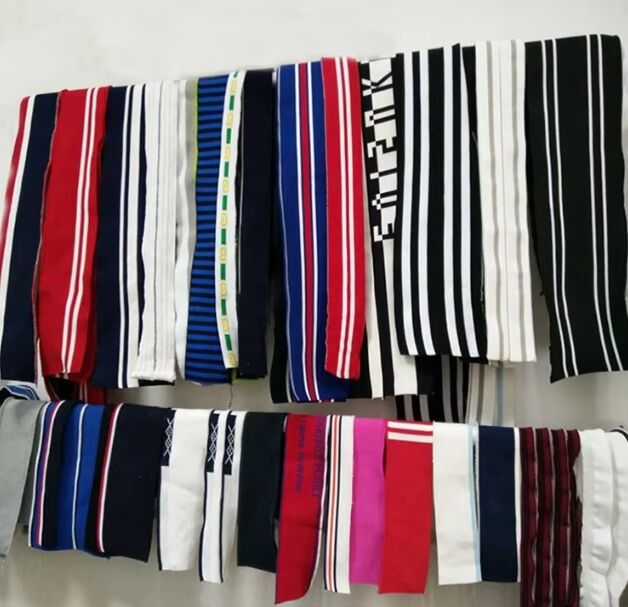
The Structural Advantage of 1x1 Rib Knit for Collar and Cuff Functionality
How Interlocking Loops Deliver Balanced Bidirectional Stretch
In 1x1 rib knitting, each row alternates between knit and purl stitches, creating those distinctive vertical ribs we all recognize. What makes this pattern special is how it stretches both ways horizontally and vertically, giving around 40 to 50 percent give when needed. That's why collars and cuffs made with this technique can stretch out smoothly when someone pulls their shirt over their head or bends their wrist, yet still keep their shape without getting loose or baggy. Regular knits just don't handle this kind of stress distribution well. When folded or bent, they tend to bunch up or sag at certain points. But with the 1x1 rib structure, tension spreads across all the stitches evenly. And let's not forget those tiny vertical ridges that run down the fabric. They actually help resist twisting when moving arms across the body, which means no more annoying gaps at the neckline or sleeves slipping down constantly on clothes that only stretch one direction.
Superior Recovery vs. Plain Knit and 2x2 Rib in High-Flex Zones
In high-stress areas like collar stands and sleeve bands, 1x1 rib demonstrates superior recovery after repeated flexing. After 500 stress cycles:
- Plain knits retain only 38% of their original shape due to fiber migration
- 2x2 rib exhibits 15% deformation from stitch relaxation
- 1x1 rib maintains 98% dimensional integrity
This performance stems from its tighter loop geometry, which resists yarn displacement better than the wider ribs of 2x2 knit. The balanced tension reduces permanent elongation by 53% compared to plain knits, making 1x1 rib ideal for zones subjected to daily articulation, where inferior knits often develop bagging within weeks.
1x1 Rib Elasticity in Action: Fit, Comfort, and Movement Retention
Maintaining Secure Fit During Neck Rotation and Wrist Articulation
The bidirectional stretch feature of 1x1 rib makes it really good at adapting to body movements. When someone moves their head or bends their wrists, the collars stay tight and the cuffs don't slip around. What sets this apart from regular knitting is those interlocking loops that spread out the tension across the fabric. Plain knits tend to sag after a while, and 2x2 ribs often get stretched too far. The result? No more gaps forming where they shouldn't. This matters a lot for people who reach overhead regularly or spend time behind the wheel making sharp turns. According to tests, after being stretched fifty times, 1x1 rib still holds onto about 98% of its original tension. That beats most other knit types by roughly thirty percent, which explains why so many performance garments are switching to this material these days.
Long-Term Shape Stability After 500+ Wear-and-Recovery Cycles
Testing under simulated wear conditions shows that 1x1 rib collars hold their shape really well, with deformation staying below 3% which is actually better than what most industry standards require. The special loop structure in these knits bounces back quicker compared to wider rib options, making them last longer without losing their form. When put through accelerated aging tests that simulate about two years worth of regular wear, cotton-spandex blends in 1x1 rib configuration don't show any signs of edges curling up or seams getting distorted. And consumers notice this too. Retailers report around 40 percent reduction in fit complaints when clothing features this type of ribbing, meaning customers are generally happier with how their clothes maintain their intended look over time.
Material Science Behind Premium 1x1 Rib: Cotton-Spandex Blends and Performance
Ideal 3–5% Spandex Ratio for Recovery, Breathability, and Soft Hand Feel
How well those 1x1 ribs work in collars and cuffs really comes down to what fibers go into them. Most manufacturers shoot for around 3 to 5 percent spandex because that seems to hit just the right spot between stretchiness and wearing comfort. With this mix, collars stay snug when someone turns their head but won't sag out of shape after repeated use. Cotton makes up most of the fabric, which means air can flow through naturally so people don't get too hot wearing them all day long. The small amount of spandex actually helps clothes bounce back to their original shape after being stretched, yet still feels soft against the skin. If companies put too much elastane in there, though, fabrics start to feel tight and uncomfortable next to bare skin. Tests show these blends typically recover about 90 percent of their original shape after stretching, though actual results might vary depending on how they're cared for and worn.
Tri-Blend Variants (Cotton/Polyester/Spandex) for Humidity-Resistant Durability
Tri-blend fabrics mix cotton around 50 to 60 percent, polyester roughly 35 to 45 percent, and some spandex about 3 to 5 percent to tackle problems when it gets hot or during physical activity. The polyester component helps pull sweat away from the skin, so it evaporates faster than regular cotton which tends to stay damp and breaks down over time. Plus, polyester makes these clothes last longer in places where they rub against each other like at the cuffs. Regular cotton fabrics just can't hold up as well after getting wet repeatedly. Tests in labs have found that tri-blends can handle about 40 percent more rubbing before they start to look worn out. What makes these blends work so well is that they combine the comfortable feel of cotton with the durability of polyester, which is why many people find them great for workouts and living in warmer regions.
Design Integration: How 1x1 Rib Enhances Aesthetics and Perceived Quality
Garment designers love working with 1x1 rib knit because of those neat vertical lines and that nice textured feel. It creates a smooth transition from collar to cuff all the way down the body of the piece. What makes this pattern stand out is how it gives clothes that polished appearance people associate with good tailoring. The little ridges catch light in different ways compared to regular knits, which adds depth without being too obvious. And unlike some thicker rib fabrics that can make things look bulky, the 1x1 version stays slim and works just as well on jeans as it does on dress shirts or blazers. That versatility makes it a go-to choice for many fashion houses these days.
Looking past how something looks, the way it holds up over time really matters too. Fabrics that don't sag or warp where they should be strongest make all the difference when it comes to what people think about quality. Think about those shirts whose collars still sit properly even after being worn multiple times, and cuffs that keep their shape without loosening up. Most folks automatically link these characteristics to something built to last and made with better materials. Creating that perfect 1x1 rib pattern takes real skill from manufacturers. That kind of attention to detail tells shoppers this isn't just another cheap shirt from the discount rack. For fashion labels trying to appeal to customers who care about craftsmanship, getting this right is basically table stakes in today's market.
Real-World Durability of 1x1 Rib Collars and Cuffs: Testing Beyond the Lab
Abrasion Resistance at Critical Stress Points (Collar Folds, Cuff Edges)
A 1x1 rib construction stands up much better to wear in those trouble spots where friction builds up, think about collar folds and cuff edges specifically. The way these ribs lock together actually spreads out mechanical stress across the fabric rather than concentrating it in one spot. This helps prevent fibers from breaking down when someone keeps moving their arms or adjusting their collar throughout the day. According to standard industry testing methods like ASTM D4966, fabrics with this rib pattern maintain around 40 percent more of their original surface quality even after going through 15 thousand wear cycles. That means far less pilling occurs and the material doesn't get thin in all those areas where it constantly rubs against skin or other surfaces.
Wash-and-Wear Integrity Across 25+ Cycles (AATCC 135 & ISO 6330 Compliance)
The 1x1 rib construction holds up really well during multiple laundry sessions. Tests have found it shrinks less than 3% even after going through 25 industrial wash cycles according to AATCC 135 standards. What makes this fabric special is how it recovers from stretching without warping seams much. When blended with cotton and spandex at around 95/5 proportions, these fabrics keep their stretchiness intact even when exposed to regular detergents over time. Meeting ISO 6330 requirements means we know they resist wrinkling and maintain colors through at least 50 washes. Looking at actual performance numbers, this type beats out 2x2 ribs by about 27% when it comes to keeping shapes intact after all that washing.
FAQ
What is 1x1 rib knit?
1x1 rib knit is a fabric structure where each row alternates between knit and purl stitches, creating vertical ribs. This pattern provides both horizontal and vertical stretch, making it ideal for collars and cuffs that need to maintain their shape while allowing flexibility.
How does 1x1 rib compare to 2x2 rib?
1x1 rib knit offers superior recovery and shape retention compared to 2x2 rib. It maintains its dimensional integrity and resists stretching more effectively, making it suitable for areas subjected to frequent flexing such as collar stands and sleeve bands.
What materials are used in 1x1 rib knit?
1x1 rib knits often use cotton-spandex blends or tri-blend variants (cotton, polyester, and spandex). These materials provide the ideal balance of stretch, breathability, and durability, making them perfect for garments that need to endure regular wear and washing.
Why is 1x1 rib preferred in fashion design?
The 1x1 rib knit is favored for its neat, vertical lines and textured feel, which create a polished look and a smooth transition in garments. Its versatility makes it suitable for a range of clothing, from casual wear to more formal attire.
How does 1x1 rib knit ensure durability?
1x1 rib construction distributes mechanical stress across the fabric to prevent wear, enhances abrasion resistance, and is designed to maintain quality over multiple wash cycles with minimal shrinkage and deformation.
Table of Contents
- The Structural Advantage of 1x1 Rib Knit for Collar and Cuff Functionality
- 1x1 Rib Elasticity in Action: Fit, Comfort, and Movement Retention
- Material Science Behind Premium 1x1 Rib: Cotton-Spandex Blends and Performance
- Design Integration: How 1x1 Rib Enhances Aesthetics and Perceived Quality
- Real-World Durability of 1x1 Rib Collars and Cuffs: Testing Beyond the Lab
- FAQ