 EN
EN

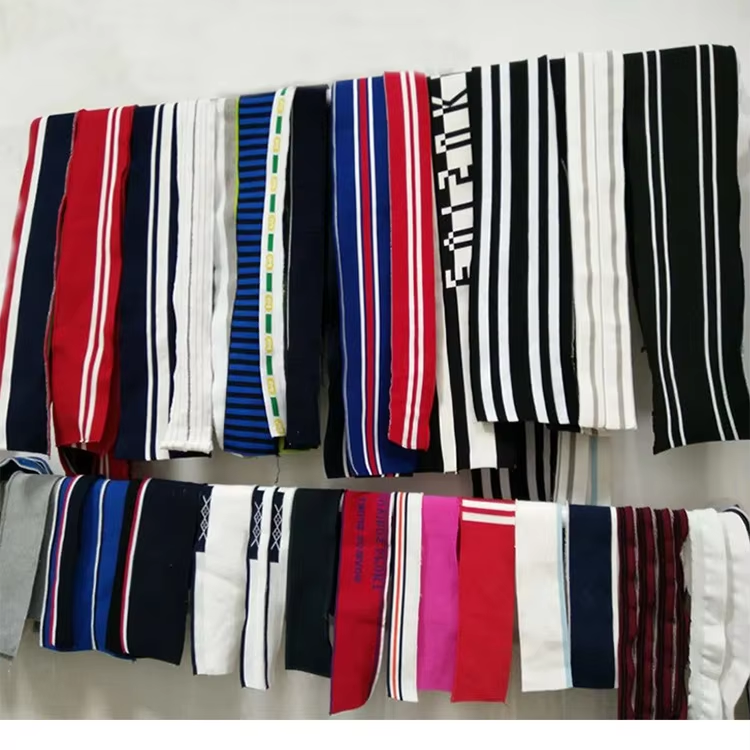
Origins and Historical Development of the Polo Collar
Most people think polo collars came from horseback riding, but they actually started showing up on tennis courts first. Back in the early 1900s, tennis players had to deal with really tight clothing restrictions including flannel pants, long sleeve dress shirts, and even ties that made moving around super awkward during matches. The whole situation wasn't working well at all. So when French tennis star René Lacoste decided to wear his own version of a short sleeve shirt back in 1933, it was kind of a game changer. What he created had this nice soft collar made from ribbed knit fabric plus three buttons down the front. Players loved how breathable it was and how much easier it let them move without getting all hot and sweaty.
Polo players back in the day wore those button down oxford collars so their shirts wouldn't flap around during games. But then came Lacoste with this lighter weight knit collar that actually worked better for real sports action. When tennis clothes started getting popular with polo fans and eventually everyone else too, people began calling these collars "polo collars" by mistake. Things really took off when President Eisenhower was seen wearing them all over the place in the fifties. Suddenly what was once just something worn on courts became part of business casual wardrobes across America. Manufacturers caught onto this trend pretty quickly after that. They stopped making only plain white versions and brought out colors and patterns galore, which made these collars fit right into daily life rather than staying stuck in sports gear territory.
Structural Anatomy: Key Features That Define a Polo Collar
Three-Button Placket and Ribbed Knit Integration
A three button placket forms the basis of most polo collar designs, letting wearers adjust airflow while keeping that neat, structured look we all know and love. When combined with a ribbed knit collar made from interlocked cotton fibers, it offers good flexibility without losing its shape over time. The collar stays put even after hours of wearing, no sagging issues here. What makes this combination work so well? It strikes just the right balance between being breathable enough for active days yet still looking polished enough for office meetings. Most quality polos on the market today can handle at least twenty washes before showing any signs of stretching out or losing their original shape according to what manufacturers tell us about their fabric construction standards.
Stand Height, Roll, and Fabric Drape Dynamics
How tall the stand is usually around 1.5 inches makes a big difference for how someone stands and carries themselves, which can really project confidence in professional settings. When looking at collars, there's something called the natural roll where the fabric bends nicely into the shoulders. This happens because of how well the patterns are cut and what kind of fabric they use. Pique cotton gives that sharp, clean look we often see in dress shirts, whereas jersey knit materials create those softer edges that feel more relaxed. For good draping qualities, most designers go for fabrics between 180 and 220 GSM. Anything lighter just won't hold its shape properly, but if it gets too heavy, people start feeling restricted and uncomfortable during long days at work. Getting this right means the collar stays put without being stiff, allowing freedom of movement while still maintaining that polished appearance throughout the day.
Functional Advantages of Polo Collars in Performance and Business Casual Wear
Polo collars offer some pretty good practical advantages whether someone is playing sports or dressing for work. Take tennis players or golfers for instance, those stiff collar stands keep their shape even when moving fast around the court or course, yet still let air circulate properly. Most polos are made with that rib knit fabric which pulls sweat away from the skin, helping people stay comfortable when they're working up a sweat. Regular collars just don't do this. Polo necks actually shield the skin from sunlight right where it matters most on the back of the neck, and they don't restrict how far someone can turn their head either. That makes all the difference for athletes who need complete freedom of movement throughout their game.
The collar makes all the difference in business casual settings compared to plain t-shirts because it frames the face better and gives off that put together look. These collars work really well with chinos, those nicely cut shorts, maybe even paired with a light blazer if needed. They strike that sweet spot between professional enough for meeting clients but still comfy enough to wear all day long without feeling restricted. According to some survey from 2023 about workplace dress codes, around two thirds of people working in tech fields and creative jobs consider properly styled polos acceptable as business casual clothing these days.
Practical advantages reinforce this versatility:
- Wrinkle-resistant fabrics withstand frequent laundering
- The three-button placket allows precise ventilation control
- Durable rib-knit collars retain structure over repeated wear
- Moisture-wicking materials minimize odor retention
These features reflect intentional engineering—balancing performance functionality with refined aesthetics—making the polo collar equally at home on the green and in the boardroom.
Modern Variations and Stylistic Adaptations of Polo Collars
Contrast Collars, Extended Stands, and Hybrid Shirt Designs
Modern takes on the polo collar are pushing boundaries while still keeping things practical. Contrast collars bring some flair to the neckline area with different colors or textures that stand out against the main fabric, which adds character without messing up the overall shape. When designers raise those collar stands about a centimeter or so, it gives the shirt a sleeker look that fits right into today's minimalist fashion scene. We're also seeing some interesting mixes happening lately. Some shirts now have hidden placket details borrowed straight from dress shirts, giving them cleaner lines. At the same time, manufacturers are incorporating materials usually found in sportswear, like breathable fabrics and extra space under the arms, so people can move around better and stay comfortable no matter what temperature outside. All these changes aren't random either they reflect what customers actually want nowadays: clothes that work well across multiple situations, feel good on the body, and weren't just thrown together.
Frequently Asked Questions (FAQ)
What is the origin of the polo collar?
The polo collar originated on tennis courts in the early 1900s, thanks to the influence of French tennis star René Lacoste, before mistakenly becoming associated with polo sports.
What are some key features of a polo collar?
Polo collars often feature a three-button placket, ribbed knit fabric, a stand height around 1.5 inches, and are typically designed for comfort, flexibility, and durability.
Why are polo collars popular in business casual wear?
Polo collars offer a structured look that frames the face well and balance comfort with a professional appearance, making them ideal for business casual settings.
What are modern variations of polo collars?
Modern polo collars include contrast colors, extended stands, hidden placket details, and hybrid designs using fabrics from sportswear for enhanced comfort and versatility.