 EN
EN

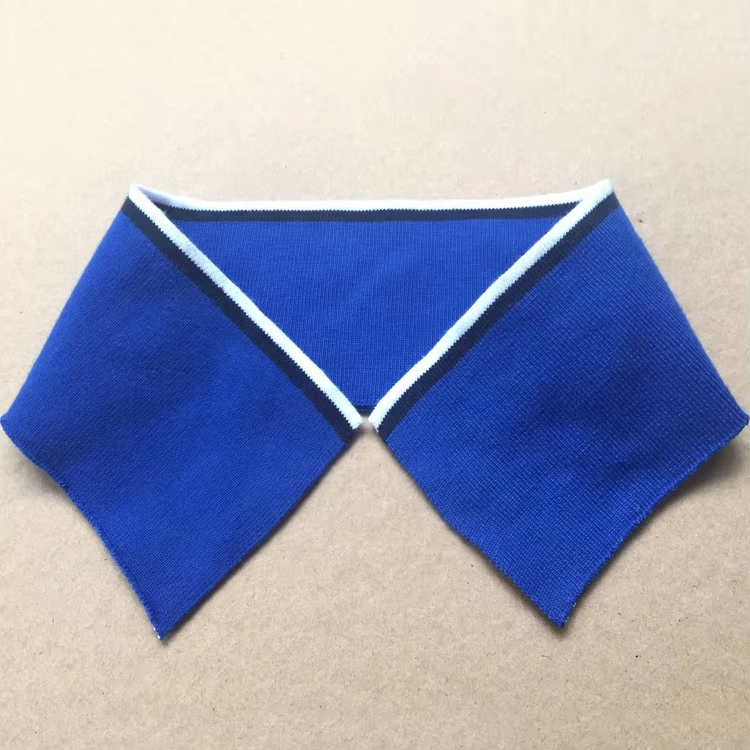
Understanding Collar Types and Their Impact on Jacket Fit
Key collar shapes: Notch, peak, shawl, and band – functional and aesthetic differences
Collar styles on jackets really matter when it comes to both how they work and what they look like. There are basically four main types to know about. First up is the notch collar, which has that V shape where the lapel connects to the collar itself. This one's super versatile for business casual stuff and fits most body types pretty well because of its balanced proportions. Then we have the peak collar with those pointy lapels going upwards. People often associate this with authority and sharp looks, so it's commonly seen on formal suits and structured blazers. The shawl collar stands out with its smooth curved design that flows right across the chest area. This gives off that classic black tie vibe and is typically found on tuxedos and dinner jackets. For something completely different, there's the band collar without any lapels at all. It has this minimalist modern feel and pairs nicely with looser fitting garments like chore coats or utility jackets. Each collar style actually influences fabric choices and determines what kind of events they're appropriate for, ranging from important meetings in the office to more laid back linen outfits.
How collar roll, stand height, and notch depth affect jacket silhouette harmony
When it comes to how a collar fits with someone's body shape and looks good on their jacket, there are really three main things to consider. First up is the collar roll, which is basically that curved part where the collar connects to the neckline. This needs to match the curve of the back of the neck naturally. If there's not enough roll, gaps will appear when wearing the jacket. But if it rolls too far forward, it puts stress on the shoulder seams and throws off where the lapels sit. Then there's stand height, usually somewhere between 1.2 inches and 1.8 inches tall. This determines how much neck coverage exists and how formal the look appears. Taller stands make a stronger impression but can restrict movement, whereas shorter stands work better for layering over other clothes casually. The third factor is notch depth, measured straight down from the tip of the collar to where it meets the lapel. Deeper notches (more than 1.5 inches) tend to make shorter people look longer in the torso, though they might overwhelm those with narrower shoulders. Shallow notches (less than an inch) keep things looking traditional and proportionate. Getting all these elements right means the lapels will blend smoothly into the rest of the jacket without any strange angles or awkward spots that draw attention away from what matters most.
Cuff Design Fundamentals and Sleeve Compatibility
Single, double, and French cuffs: Formality, function, and jacket sleeve coverage thresholds
The way cuffs are designed matters both aesthetically and practically. Barrel cuffs with just one button work great for daily wear in everything from casual outings to office environments. Double cuffs need those fancy links to fasten them after folding back, which makes them look more formal. These are typically seen on dressier jackets and worn at events where appearance counts. French cuffs take this even further, sitting at the top end of formality standards, especially for black tie events. Getting the sleeve length right is pretty important actually. When standing normally, jacket sleeves should hide about half an inch to an inch of the shirt cuff. If sleeves are too short, wrists stick out awkwardly and disrupt the overall look. But go too long and all those carefully chosen cuff details get lost under fabric, messing up that nice balance between collar and cuff that good tailoring aims for.
The 'sleeve break' rule and cuff visibility as a nonverbal style signal
That little gap between the jacket edge and shirt cuff when someone bends their arm? It's actually a pretty telling sign without saying anything at all. Most folks look best when about quarter to half an inch of shirt cuff shows past the jacket sleeve. If there's barely any showing, people might think the outfit is too tight or just badly fitted. Too much exposed cuff though? That usually screams sloppy or someone who didn't really care about how they looked. The latest StyleSurvey numbers back this up, showing that around seven out of ten professionals connect proper sleeve break with someone who pays attention to details something that quietly signals competence. When dressing for work events or casual meetings, keeping those cuffs consistently visible helps build confidence through coordinated dressing choices. Get this right, and what starts as just part of clothing becomes a smart tool in how others perceive us visually.
Collar-Cuff Coordination for Layered Outfits (T-Shirts + Jackets)
Optimal collar stand height (2.5"–3.2") for clean t-shirt layering under unstructured jackets
Getting t-shirts to layer properly under jackets really comes down to how the collar is designed. Most experts agree that collar stands around 2.5 to 3.2 inches work best for letting crew necks or V-necks lie flat against the skin without bunching up underneath the jacket. There should be about 0.8 to 1.2 inches of visible t-shirt collar showing too, which gives just enough structure while still feeling comfortable. This works particularly well with those softer, less structured jackets like linen blazers, cotton overshirts, or even those loose fitting chore coats we've all seen lately. The fabric tends to hang naturally over whatever is underneath. If the collar stand goes above 3.2 inches though, it starts looking stacked and awkward. On the flip side, anything below 2.5 inches basically disappears under outerwear, making the whole look feel undefined at the neck area where it matters most.
Balancing collar structure and cuff formality to avoid visual conflict in casual smart outfits
In smart-casual dressing, collar and cuff harmony prevents style dissonance. Soft, minimally interfaced spread collars pair naturally with single-button cuffs–reinforcing relaxed sophistication. Structured cutaway or semi-spread collars, by contrast, demand proportional formality: French or substantial double cuffs anchor their precision. Core coordination principles include:
- Matching collar roll depth to cuff thickness–e.g., a 1.5" roll aligns visually with a 0.25" placket cuff
- Using solid-color cuffs to ground patterned t-shirt collars and prevent visual overload
- Echoing contrast stitching on collars with matching thread details on cuffs
Research shows mismatched formality–such as a rigid collar paired with casual knurl-textured cuffs–reduces perceived outfit intentionality by 62%. Let collar structure guide cuff complexity: the result is unified, confident, nonverbal sophistication–effortless, but never accidental.
FAQ Section
What are the main types of collar styles in jackets?
The main types of collar styles in jackets are notch collar, peak collar, shawl collar, and band collar, each offering unique functional and aesthetic characteristics.
How do cuff designs impact jacket sleeve compatibility?
Cuff designs impact jacket sleeve compatibility by influencing formality and function. Single cuffs are ideal for everyday wear, while double and French cuffs offer more formal options.
What factors should be considered for collar-cuff coordination in layered outfits?
For collar-cuff coordination in layered outfits, consider collar stand height, cuff formality, and style harmony to prevent visual conflict and ensure a balanced appearance.