 EN
EN

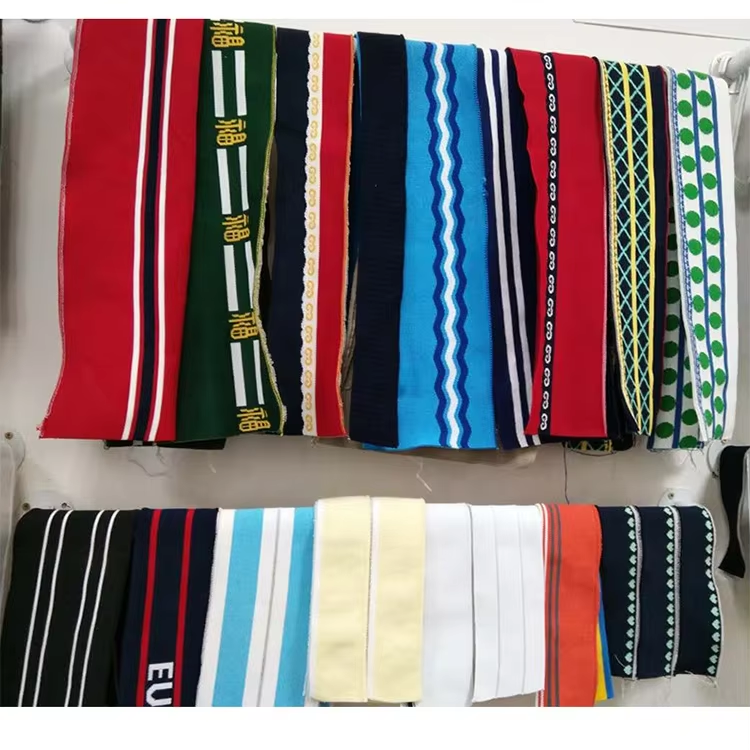
Understanding Ribbed Fabric Basics
1x1 vs 2x1 Rib Structures Explained
When comparing 1x1 and 2x1 rib structures, each brings something different to the table depending on what kind of garment needs to be made. The 1x1 rib gets its name from the pattern of alternating knit and purl stitches across the fabric, creating that nice balanced stretch we all know and love. This makes it really versatile stuff for clothing manufacturers working on everything from t-shirts to activewear. For items that need to move with the body while still holding their shape, this rib structure works wonders. On the other hand, the 2x1 rib has two knit stitches before hitting that single purl stitch, giving it extra bounce and stretch. That's why so many factories reach for this option when making cuffs or collars where things need to stay tight but still allow some give. The added elasticity means these parts won't sag after repeated wear, keeping clothes looking neat longer.
When choosing between 1x1 and 2x1 rib structures, fabric makers need to consider how each affects appearance as well as how stretchy and springy the material will be after wearing. The difference matters a lot for things like workout clothes and form-fitting apparel where movement and durability count. Getting this right means designers can pick the right rib type for what they're making. For instance, athletic wear might benefit from one structure while everyday fashion pieces could work better with another. Ultimately, finding the sweet spot between looks and function helps create garments people actually want to wear day after day.
Common Knitting Patterns: 1x1 Rib Cuff Applications
Rib cuffs made with the 1x1 pattern have become pretty much standard in knitted clothing because they stretch really well and bounce back to their original shape. That means clothes stay fitted without feeling tight all day long. Knitters often go for this pattern when making sleeve edges and around waist areas since it needs to be both flexible enough to move with the body but still look nice too. What makes these cuffs so great is how they hold up over time. Even after washing and wearing multiple times, most ribbed cuffs won't lose their form completely, which saves folks from having to constantly adjust or replace them.
One big plus of working with 1x1 rib stitches is how they stop fabric from curling at the edges. This keeps sweaters and other knitted items looking neat without those annoying rolled hems that ruin the shape over time. Regular fabrics tend to fray and stretch out when exposed to washing and wearing, but ribbed patterns hold up much better. That's why so many fashion designers still rely on this old school technique even though newer methods keep coming along. There's something about the way it combines function with good looks that just works for everyday wear.
Natural vs Synthetic Fiber Ribs
When deciding between natural and synthetic fiber ribs, the difference in fabric characteristics can really change how suitable it is for different purposes. Take cotton and wool ribs for instance they let air through much better than most synthetics do, which means people actually feel more comfortable wearing clothes made this way. That's why many folks gravitate toward these materials when putting together their everyday wardrobe or shopping for something environmentally conscious. After all, who doesn't want clothes that breathe while also being kinder to the planet? People concerned about what happens to their old garments after disposal tend to pick natural fibers first since they break down naturally over time instead of sitting in landfills forever.
Synthetic ribbed materials made from polyester mixed with spandex tend to last longer and hold their shape better than many alternatives. They work really well for sportswear where clothes need to stretch but still keep their form after repeated use. When picking out ribbed fabrics for any kind of production run, knowing what makes each material tick matters a lot. A designer working on luxury apparel needs different properties compared to someone creating workout gear that will face constant movement and sweat. Getting this right means the difference between successful products and ones that fall apart too soon.
Key Factors in Ribbed Fabric Selection
Stretch Percentage & Recovery Needs
Picking out ribbed fabric requires knowing how much it stretches since this affects whether it works well for things like close fitting clothes or workout gear. The way fabric stretches and bounces back to where it was originally matters a lot too because otherwise garments start looking sloppy over time. Fabrics with good recovery don't sag or bag out after being worn multiple times. Designers should test different fabric samples for these stretch characteristics before making decisions. This helps them find what actually performs well for what they need to create, so people end up with clothes that feel comfortable day after day without falling apart at the seams.
Weight Considerations for Different Projects
How heavy or light ribbed fabric feels really matters when it comes to how it drapes, holds shape, and works for various clothing items. Lighter weight ribbed materials tend to be favorites for things like layers under other clothes or soft tops because they fall nicely and move with ease. Heavier versions work better for jackets and clothes that need structure since they hold their form while also keeping people warm and lasting longer through wear and tear. Getting a good grasp on how fabric thickness affects how stable it stays during sewing makes all the difference in creating garments that look great and function properly. For anyone designing clothes, knowing the typical weights across different ribbed fabric categories helps make smart choices about what looks good and actually works well once made into real clothing.
Plain Cotton Fabric vs Blended Options
The choice between plain cotton fabric and blended ribbed fabrics really comes down to what the finished garment will be used for and how much maintenance it needs. Cotton is great because it lets air through and feels comfortable against skin, so most people go with it for their daily clothes and relaxed outfits. Blended fabrics mix things like spandex or polyester into the equation though, which gives them some serious advantages. These combinations tend to last longer without tearing, stretch better when needed, and stay looking neat even after multiple washes. For anyone actually working on creating something wearable, think about exactly what matters most in the final product. Does softness take priority? Or maybe longevity? How easy should cleaning be? Those practical questions will point toward the right fabric choice every time.
Project-Specific Fabric Matching
Garment Cuffs/Neckbands: 1x1 Rib Knitting Advantages
Using 1x1 rib knitting on cuffs and neckbands brings several benefits that combine practicality with good looks. The technique gives great stretch so those parts stay looking neat even after being worn again and again. No more loose, baggy edges around the neck or wrists after just a few wears, something that matters a lot for everyday items like hoodies and winter jumpers. When designers work with this rib pattern for necklines, they can actually adjust how tight or loose the fit feels. This makes clothes work better across different shapes and sizes. For people who want something made specifically for them, these kinds of adjustments really make a difference in how comfortable and well-fitting their new piece will be.
Activewear: 2x1 Rib Fabric Performance
When it comes to activewear, 2x1 rib fabric really shines because of how stretchy it is and how well it pulls sweat away from the skin. People who run, lift weights or do yoga will appreciate this stuff since staying comfortable while pushing hard matters a lot. What makes this fabric work so well is that it sticks close to the body without feeling tight, letting folks move naturally without restriction something all serious athletes need in their gear. The right mix of materials in these ribbed fabrics actually makes them breathe better too, which means less discomfort when working out. Designers looking to make clothes that perform under pressure should pay attention to these properties. After all, nobody wants to be stuck in sweaty, restrictive clothing during an important race or training session.
Home Textiles: Durability Requirements
Picking out the right ribbed fabric for home textiles means thinking about how long it will last and how easy it is to maintain. Think about things like couch covers or chair cushions that get used all day every day. Heavy duty ribbed fabrics work really well here because they don't pill or fray easily, so they tend to stay looking good for much longer than lighter options. The mix of materials in the fabric also makes a big difference in how well it performs at home. Fabrics that hold up better in the washing machine and keep their colors vibrant matter a lot too. When someone goes for heavier weight ribbed materials, their furniture and other home goods just naturally stay nicer looking even after lots of use, which keeps everything functional without constantly needing replacement.
Working with Ribbed Fabrics
Sewing Techniques for Stable Seams
When working with ribbed fabrics, certain sewing methods help keep those seams from getting caught or tearing the material apart. Ballpoint needles work best here since they move smoothly across the fabric texture without leaving holes or snags behind. For better stretch and movement in finished pieces, many sewers find that either a stretch stitch or running things through a serger makes all the difference when putting seams together. Getting familiar with how much extra space (seam allowance) needs to be left around ribbed materials matters quite a bit too because this affects how well everything fits together at the end. These little adjustments might seem small but they really do make garments last longer while maintaining their shape after repeated wearing.
Preventing Fabric Distortion During Cutting
Keeping ribbed fabrics stable during the cutting process really matters, so laying out patterns carefully with some weights around helps stop them from moving all over the place. Don't stretch the material too much when making cuts because that just causes distortion problems later on, leading to mismatched pieces and poor fitting clothes. Many sewers find rotary cutters work better for clean lines than regular scissors, especially since they tend to minimize those annoying frayed edges. Getting these basics right makes all the difference for accurate cuts and preserving what makes the fabric special in the first place. Garments made this way not only fit better but also look much more polished overall.
Hemming Strategies for Stretch Fabrics
Getting the hemming technique right makes all the difference when working with stretchy fabrics. The goal is to keep those materials flexible but still maintain a strong edge. Zigzag stitches work well here, or sometimes double needle stitching does the trick too. Both methods allow some give while holding everything together nicely. Stretch thread adds another layer of flexibility so the fabric can move naturally without popping at the seams. For extra reinforcement, many sewers turn to bias tape as a finishing touch. This not only strengthens the hem but also gives it that clean look that works especially well on ribbed knits. Garments finished this way tend to last longer and stay looking good through multiple wears, which is what most people want from their clothing investments.
Care & Maintenance Considerations
Washing Methods to Preserve Elasticity
Ribbed fabrics tend to lose their bounce and bright colors if not cared for properly, particularly when they contain blends of different materials. Washing in cold water works best for keeping those stretchy properties intact while preserving how the fabric looks after multiple wears. The heat from hot water just breaks down the fibers over time. Strong detergents are another enemy of ribbed fabrics, eating away at what makes them special. Most people find that switching to gentler cleansers and using the delicate cycle on their machines actually keeps these items looking newer for much longer periods. How often someone washes matters too. Some folks discover that waiting until garments really need cleaning rather than following strict schedules helps maintain both freshness and fabric integrity without compromising comfort or style.
Drying Best Practices for Ribbed Textiles
For ribbed fabrics, air drying works best, particularly when dealing with natural materials such as cotton. This method helps keep them from shrinking and maintains their original shape over time. When a dryer must be used after all, go for the lowest heat option possible. The gentle warmth puts less strain on the fabric and keeps things looking good longer. Don't forget to glance at those care tags now and then too. They actually contain useful info about how best to handle each piece during drying. Following this advice prevents accidents that might ruin the fabric permanently or at least degrade its overall appearance significantly.
Repairing Common Wear Points
Ribbed fabrics tend to get snagged and stretched out, particularly around spots that get worn down over time. Taking care of these little problems right away makes a big difference in how long clothes last. For those tiny holes or places where the stretch has gone, patching them up works wonders. Some folks swear by heat activated glue sticks too. Don't forget to check those seams and cuffs regularly while washing and wearing. A quick look here and there stops minor issues from becoming major headaches later on. This kind of regular attention keeps ribbed items looking good and functioning properly for years instead of just months.