 EN
EN

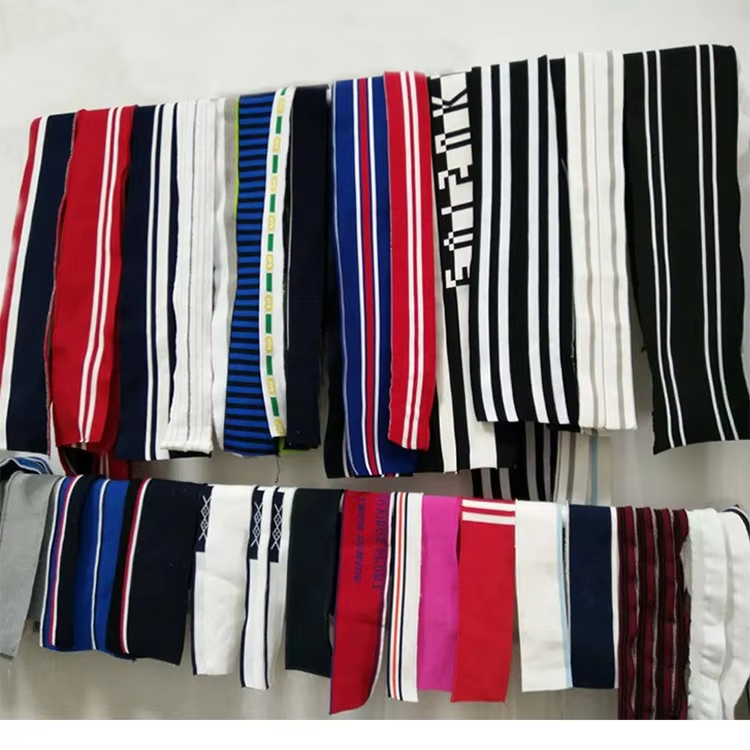
Understanding Ribbed Textures in Modern Design
The Anatomy of Ribbed Fabrics: From 1x1 to 2x1 Patterns
Ribbed fabrics have those cool looking lines that go up and down, some parts sticking out while others sink in. These effects come from special knitting methods that create different patterns. Most folks notice them in what we call 1x1 and 2x1 rib designs. When working with 1x1 rib, basically every other stitch alternates between being knitted and purled, which makes evenly spaced ridges and grooves across the fabric surface. It looks pretty balanced overall. On the other hand, 2x1 rib works differently where there's two knit stitches then one purl stitch repeated throughout. This creates bigger ribs that stand out visually compared to the smaller ones in 1x1 patterns. Crafters love using these various rib patterns for all sorts of projects ranging from snug fitting sweaters and cozy cardigans right down to stretchy athletic wear because they not only look good but also function well when it comes to flexibility and durability.
How Ribbed Textures Enhance Fabric Elasticity and Durability
Ribbed fabrics tend to be more stretchy than plain ones because of how they're knitted together, which lets them bounce back into shape after being pulled. This kind of stretch matters a lot for clothes like workout gear and baseball caps where getting the right fit feels really important. Research indicates ribbed materials generally hold up better during durability testing since they just seem stronger overall and bend without breaking so easily. People who want stuff that lasts through regular wear gravitate toward these textured fabrics for things like hoodies and outerwear jackets, especially when they know those pieces will get tossed into laundry machines countless times over months or even years.
Plain Cotton vs. Ribbed Blends: Material Compatibility
Plain cotton and ribbed blends just don't compare when it comes to how they breathe and feel against skin. Cotton has that smooth surface great for casual stuff, no doubt about it. But ribbed blends throw in other materials too, often with some stretchy stuff like elastane mixed in. The fashion world's numbers tell us people are gravitating toward these ribbed options more and more because they work so well across different situations. Think about those tight dresses that still let air through or those shirts that hug but won't restrict movement during workouts. Manufacturers blend cotton with polyester and spandex to get this sweet spot where fabric stays breathable yet holds shape, making them perfect for today's clothes that need to do multiple things at once without breaking down.
Mastering Texture Combinations
Contrast and Harmony: Pairing 1x1 Rib Cuffs with 2x1 Body Panels
Mixing various ribbed patterns like 1x1 rib cuffs paired with 2x1 body sections creates interesting contrasts while still maintaining overall harmony in clothing design. The combination looks great visually and feels different to touch too, which is why so many designers love working with them. Some high end brands have really nailed this approach lately, creating pieces that just pop on store shelves. Take for example sweaters where the cuffs and collar area feature tight 1x1 ribbing, then switch to looser 2x1 ribs across the main body part. This gives the garment depth without being too flashy. Most experienced textile artists will tell you that getting the right balance between contrasting elements and keeping things harmonious takes practice. They spend hours figuring out how best to place each rib pattern so everything works together rather than fighting against itself.
Layering Techniques for Multi-Dimensional Ribbed Effects
When working with ribbed fabrics, layering techniques really bring out depth and dimension in clothing designs. Knitters often find that mixing different stitch patterns adds visual interest while still keeping things comfortable to wear. A good approach is to start with some basic light ribbing as a foundation layer, then top it off with heavier or contrasting patterns for that extra something special. Many modern designs actually combine ribbed sections with plain knit areas, showing just how flexible these methods can be. Take those popular layered sweaters for instance they frequently play around with various rib thicknesses throughout the garment, creating all sorts of interesting textures. This kind of experimentation reveals what makes ribbed fabrics so appealing from an aesthetic standpoint.
Balancing Visual Weight in Ribbed Textile Compositions
When designing fabrics, getting the right visual weight matters a lot for making clothes look stable and attractive. Ribbed textures really help strike that balance between different elements. Colors and patterns have a big impact on how a garment feels when worn. Darker shades and bold patterns tend to make things look heavier on the body, whereas pastel tones with gentle ribbing give off a lighter, more breathable vibe. Good designers know how to work with these principles, weaving ribbing into their creations so everything flows naturally without feeling forced. Take those modern sweaters we see everywhere now, for instance. They often combine smartly placed ribs with contrasting color blocks, creating pieces that look both stylish and structurally sound. Sometimes though, even experienced designers get it wrong, which is why so many trendy items end up looking top heavy or awkwardly proportioned.
Rib Knitting Techniques and Innovations
Essential Tools for Precision 1x1 Rib Knitting
Getting good results from 1x1 rib knitting starts with having the proper equipment and materials on hand. The basics are simple enough: knitting needles (available in all sorts of sizes) and decent quality yarn that's either light or medium weight based on what kind of project someone wants to tackle. Pointed tip needles tend to work best for most people since they help when picking up those tricky little stitches. Picking out the right needle size matters a lot too because this affects how tight or loose the fabric turns out. Many experienced knitters will tell anyone willing to listen that investing in quality tools makes a world of difference in both how well something looks and feels at the end. Taking note of what seasoned crafters recommend helps keep things running smoothly throughout the whole process while making sure whatever gets made actually looks worth the effort put into it.
Advanced Methods for Creating 2x1 Rib Fabric Structures
Creating 2x1 rib fabrics really calls for some serious knitting skills. The tubular cast on and off methods give those nice clean edges while making the whole thing stretch better too. With 2x1 rib patterns specifically, getting consistent tension matters a lot. Those loose spots just look messy no matter how good the rest of the work is. Most people struggle with keeping everything even all the way through their projects. Practice helps, sure, but tools like row counters and special tension devices make life easier when working on complex pieces. Crafters often talk about these techniques in workshops and online forums. Take Sarah's latest sweater design for instance she used these very methods to create something both functional and beautiful. These kinds of creations show just how flexible 2x1 ribs can be and why they continue to inspire new generations of knitters looking to push boundaries.
Steam Molding's Role in Perfecting Ribbed Surfaces
Steam molding really matters when it comes to getting those nicely defined ribbed surfaces on knits. Basically, the process uses steam to mold and fix the shape of the fabric, making it hang better and look nicer overall. What happens is the fibers actually relax during this treatment and take on whatever shape they need to. This creates smoother, tighter ribs that just aren't possible with most alternative techniques. Many experienced textile professionals swear by steam molding because it gives fabrics that clean, finished appearance so important in quality apparel. Most modern factories now have dedicated steam molding equipment built right into their production lines, which speaks volumes about how integral this step has become in proper fabric finishing. When looking at finished garments with well-defined ribs, chances are good steam molding was part of the process behind them.
Ribbed Textures in Fashion Applications
Strategic Use of Ribbed Necklines and Cuffs in Garments
Ribbed necklines and cuffs really change what a piece of clothing looks like and how it feels when worn. They boost visual interest while still letting fabric stretch comfortably around the body, which is why designers keep coming back to them time after time. These textured details have become pretty common lately across all sorts of styles because they work so well both functionally and aesthetically. Take a look at what happens when labels start adding ribs into their designs for spring collections - suddenly those basic tees get defined edges, and even dressier pieces gain unexpected structure without feeling stiff. High end names such as Balenciaga and Celine definitely know this trick, incorporating ribbing strategically throughout their lines to make certain pieces pop on the runway. Beyond just looking good though, these little details actually help clothes fit better over time too, since the ribs hold shape longer than plain knits would.
Mixing Ribbed Textures with Jacquard and Cable Knits
When combining ribbed textures with more complicated knit patterns such as jacquard and cable knits, there are definitely some hurdles but also plenty of rewards. Getting these different elements to work together takes real craftsmanship plus an understanding of what looks good on fabric. Many talented designers have pulled off this tricky balance, creating pieces where the straightforward lines of ribbing actually enhance the detailed work of jacquard and cables. Take Missoni for instance their designers often use ribbed sections to add dimension and contrast against all those busy patterns in their famous collections. According to experienced textile artists, working with colors carefully and adjusting how big or small each pattern appears makes a huge difference in keeping everything looking cohesive. What emerges from this process is something special a fabric that has layers upon layers of interest without ever feeling cluttered or chaotic.
Sportswear Innovations: Breathable Ribbed Performance Fabrics
Breathable ribbed fabrics represent something pretty groundbreaking in sportswear these days, bringing real improvements to how clothes perform during workouts. Manufacturers design these materials specifically to pull sweat away from the skin while still allowing full range of motion, which matters a lot when someone is training hard or competing. The unique rib patterns actually work as built-in vents that let air circulate better around the body, helping keep temperatures regulated even during intense sessions. A study we saw in the Journal of Textile Science actually found that athletes wearing ribbed fabric gear experienced faster times compared to traditional materials. Big names in the market such as Nike and Under Armour have started featuring ribbed designs across many of their running shorts and compression tops lately. Their latest marathon collection includes several items with this texture, showing they clearly see value in what these fabrics can do for serious athletes looking to push boundaries.
Practical Tips for Working with Ribbed Textures
Selecting Yarns for Optimal Rib Definition
Getting good rib definition begins with picking the right yarn for the job. Wool, cotton, and blends are all popular choices for rib knitting projects. Wool really stands out because it stretches nicely and holds its shape well in rib patterns. Cotton gives a smoother look but doesn't have much stretch at all. Blends often work best since they mix synthetics' strength with natural fibers' flexibility. Look closely at what percentage of each fiber makes up the yarn since this affects how much it will stretch and bounce back when knitted into ribs. The difference matters especially when making those tight 1x1 ribs or looser 2x1 patterns where the right amount of give ensures the finished piece looks neat and functions properly without sagging over time.
Maintaining Consistent Tension in Rib Knitting Projects
Getting the right tension when working on rib stitches really matters if we want our finished piece to look even throughout. When someone's hands get too tight or loose at different points while knitting, those ribs start looking all wonky instead of neat and regular. Most knitters find themselves pausing every now and then to check how their loops are sitting on the needles, maybe slowing down a bit when they notice things getting too stretched out. Good tension control actually affects how stretchy the final garment will be, making sure it fits properly once worn. For anyone tackling projects like sweaters or cuffs where stretchiness is part of what makes them work functionally, keeping that tension steady becomes absolutely essential to avoid frustration later on.
Pressing vs. Blocking: Finishing Techniques Revealed
When working with ribbed fabrics, finishing methods like pressing versus blocking really matter for getting good results. Pressing basically means applying heat to flatten things out and give them shape. Blocking works differently though it relies on moisture to help set the fabric into position. Most folks find blocking works better for ribbed textures because it keeps those nice elastic qualities intact without squashing all those pretty ribs flat. Pressing makes sense when we need sharp clean edges on something, but if maintaining that stretchy texture in knitwear matters most, then blocking wins every time. Getting this right helps ensure our ribbed projects turn out looking great and functioning properly too, which shows why so many crafters love working with 1x1 rib patterns and similar designs.