 EN
EN

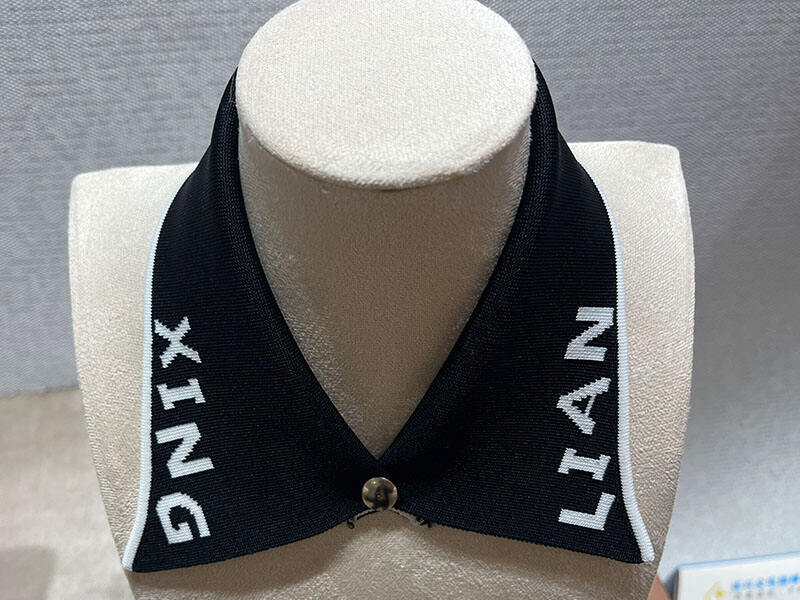
Understanding the Role of Neck Rib in Jacket Fit and Function
What Is Rib Knit Fabric? Construction and Elastic Properties (1x1, 2x2 Patterns)
Rib knit fabric gets made when we alternate between knit and purl stitches, creating those vertical ridges everyone knows so well. These ridges give the fabric stretch in multiple directions and help it bounce back after being stretched out. Most folks work with either 1x1 or 2x2 configurations, each serving different purposes. The 1x1 rib has decent stretch around 30 to 40 percent and holds its shape pretty well, which makes it great for things like jacket collars where some flexibility matters but not too much. On the flip side, 2x2 patterns can stretch even more, about 50 to 60 percent, so they're perfect for activewear or other clothes where the neck needs to move freely during activity. What's really cool about these fabrics is how they remember their original shape over time, staying stable even after lots of wearing and washing cycles.
How Neck Rib Enhances Fit Retention and Stretch Recovery in Jackets
Rib knit fabric plays a big role in how well jackets hold their shape over time. Research tracking activewear performance shows something interesting: after a year of regular use, rib knit necklines still kept around 89% of their original form. That's way better than standard jersey fabrics which tend to lose shape much faster, holding only about 54%. What makes rib knit so good at this? The special way the stitches lock together creates resistance against stretching out of shape while still letting the fabric move comfortably in two directions. When it comes to making outerwear, the 2x2 rib pattern works particularly well because it offers great stretch for comfort but keeps collars looking neat and structured. Industry experts have pointed out that this memory effect helps avoid those annoying droopy collars or rolled edges that show up on regular knit jackets after they've been worn for a while.
Material and Design Considerations for Optimal Neck Rib Performance
Getting good neck rib performance really comes down to three main things: what kind of yarn is used, how tightly it's knitted together, and what the overall design goals are. Most jackets made for actual performance tend to go with polyester heavy blends that have around 18 to 22 stitches per inch. This setup helps wick away sweat and maintains shape even after repeated stretching. For fashion oriented garments though, designers often opt for softer combinations like cotton blended with polyester at a looser knit density between 14 and 16 stitches per inch. These offer better comfort against skin and create nicer draping characteristics. When it comes to rib height, matching it properly to the collar type makes all the difference. A half inch band works great with mandarin collars but something closer to 3 inches becomes essential when building those sturdy motorcycle or utility jackets where structural integrity matters most.
Neck Rib Design Across Jacket Styles: Structured vs. Casual
Neckline Construction Techniques for Formal, Sport, and Outerwear Jackets
When it comes to formal wear, 1x1 rib knit fabrics with around 40 to 60 percent stretch recovery work wonders for maintaining collar shape without restricting movement when turning our heads. These types of ribs help keep the jacket looking sharp and well put together, which is really important for those classic tailored looks we all recognize. For sportier options though, designers typically go with 2x2 ribbing patterns because they offer better stretch in multiple directions. Many manufacturers also blend polyester with spandex in these fabrics since it wicks away sweat and keeps folks comfortable during workouts or outdoor activities. Outerwear needs something even tougher though. Most quality coats use reinforced rib knits made mostly from cotton content above 85%, plus extra stitching at vulnerable spots where accessories might rub against the fabric. Think about how often scarf loops get caught on things or backpack straps wear down certain areas over time.
Customizing Collar Shape and Height Using Rib Knit for Style and Comfort
Designers manipulate rib knit density—measured in grams per square meter (GSM)—to achieve desired structural and aesthetic outcomes:
- Slim-fit jackets: 180–220 GSM ribbing provides light contouring without bulk
-
Utility/workwear: 300+ GSM ribs offer increased height (15–20 mm), enhancing durability and wind protection
Thermobonded attachments streamline minimalist designs by eliminating seam bulk, whereas traditional serged edges (1.5–2.0 mm seam allowance) allow for frequent collar flipping in casual wear, improving longevity and user experience.
Finishing Options and Functional Trade-offs in Modern Neck Rib Applications
New developments in fabric finishing have really opened up what's possible functionally. Take laser cut ribs for instance they cut down on fraying by around two thirds when compared to regular raw edges, although this comes at a cost since stretchability drops below 35%. That makes them ideal for parts of garments where there isn't much movement happening. On the fashion front, contrast top stitching continues to be a go to option for streetwear because it just looks so striking. Meanwhile technical outerwear relies heavily on those hidden interior seams to prevent snags during wear. For manufacturers working on large scale production runs, bonded rib attachments are becoming increasingly common these days. They hit about 80 to 90 percent of the strength we get from traditional sewing methods, but they also speed up assembly time by roughly twice as fast, which explains why many fast fashion brands are jumping on board with this approach.
Selecting Materials and Stabilization Methods for Durable Neck Ribs
Choosing the Right Rib Knit Fabric by Climate and Use Case
What kind of climate someone faces and how they plan to wear their clothing really determines which rib knit works best. Take the 1x1 rib pattern for instance it stretches about 40% more than regular plain knits. That extra give makes all the difference in winter gear when temps drop below freezing because fabrics need to keep bouncing back after repeated bending and movement. When humidity becomes an issue, manufacturers often turn to 2x2 rib structures. These have those little air gaps between stitches that let sweat escape instead of getting trapped against skin. Tests show these designs cut down on moisture buildup by around 18% compared to denser weaves. For outdoor enthusiasts looking at performance coats, nylon mixed with other fibers creates excellent wind barriers. Meanwhile city dwellers tend to gravitate toward cotton blended with spandex. This combo gives roughly 25% stretch while still allowing air circulation and maintaining that comfortable feel against the body throughout daily wear.
Fabric Stabilization: Interfacing and Support Techniques for Necklines
Keeping necklines stable helps them hold up when stressed repeatedly. Tests show fusible interfacings cut down on collar stretching about 32 percent for those wool blend jackets, all without anyone noticing the extra support. Many sportswear brands use elastic tapes with silicone built in these days. They help clothes keep their shape even after lots of overhead movement, plus they allow around 15% stretch in certain directions. When it comes to making collars last longer, bias cut interfacing makes a real difference. Studies indicate it boosts durability roughly half again compared to regular straight grain methods because it fits better around those curved collar shapes. Premium ski jacket makers are turning to high frequency welding more and more now. This technique bonds ribs right onto the outer shell material, so there are no stitched seams anymore. Most manufacturers report that this cuts down on wear and tear problems in about four out of five models.
Balancing Elasticity and Strength in Performance and Fashion Jackets
A good neck rib should stretch about three times what it can recover from. Most performance jackets hit this mark with those special dual-core yarns we see so much these days - basically polyester covering spandex inside - which can handle well over 200 stretches before showing signs of wear. For fashion pieces though, designers tend to go with mercerized cotton ribs that get treated with resins. This treatment boosts their strength by roughly 40 percent but still keeps them feeling soft against the skin. We've run some real world tests too, and interestingly enough, when manufacturers start adding carbon fiber threads into the mix for motorcycle gear, they cut down on that annoying collar bagging issue by almost 90%. Plus, the collar stays at least two inches high as needed for proper airflow when riding.
Manufacturing Techniques for Long-Lasting Neck Rib Attachment
Sewn vs. Bonded Neck Rib Attachments: Durability and Production Efficiency
Sewn attachments remain the gold standard for durability, retaining 85% elasticity after 50+ wash cycles—22% better than bonded alternatives according to industrial studies. While automated bonding accelerates production by 30%, its long-term performance lags in garments subjected to frequent movement. Comparative data highlights key differences:
| Method | Wash Cycle Resilience | Stretch Retention | Production Speed |
|---|---|---|---|
| Sewn | 90/100 | 88% | Moderate |
| Bonded | 68/100 | 72% | High |
Manufacturers typically reserve sewn techniques for outerwear and bonded methods for fast-fashion collections, aligning production strategy with product lifespan expectations.
Reinforced Stitching and Seam Engineering for High-Stress Areas
The best jacket makers out there have started using something called 3 thread overlock stitching along with stay tape for stabilizing those tricky collar seams. This combo cuts down on failures by around 40% when it comes to winter gear and all those heavy duty jackets people need for outdoor work. They also put those little reinforced bar tacks right where the fabric curves most, stopping threads from coming loose but keeping enough give so folks can actually move their heads normally. Tests run by various industry groups show these special lockstitch elastic hybrid seams hold up under about 2.5 times the normal tension before breaking. Makes sense why this tech is showing up more in military style gear, motorcyclist jackets, and serious performance wear where durability really matters.
Quality Control in Mass Production: Ensuring Consistent Neck Rib Performance
The automated tension monitoring systems keep rib knit stretches pretty much consistent throughout assembly, staying within about plus or minus 5% tolerance. After things come off the line, they run them through these stretching tests that basically simulate what happens after ten years of normal use according to ASTM D2594 standards. If a batch loses more than 8% of its elasticity during these tests, it gets tossed out right away. For those bonded attachments where glue matters so much, thermal imaging comes into play. These cameras spot spots where adhesive wasn't applied properly. Recent tests showed these cameras catch defects at around 99.2% accuracy rate, which means quality stays pretty good even when making thousands of units at once.
Aesthetic Finishes and Trend-Driven Neck Rib Design
Visible vs. Hidden Ribbing: Minimalist Trends in Contemporary Jacket Design
Ribbing that's visible on the outside gives clothes texture and shape, which we often see in bombers and short jackets where designers want to draw attention to certain details. When ribbing stays hidden under collars or inside linings though, it helps maintain those smooth, uninterrupted lines that minimalist styles are known for. People seem to be getting more interested in clothing that looks simple but still works well functionally. The number of folks searching online for items with "subtle ribbed textures" jumped 37 percent last year alone, according to recent data. This trend suggests consumers are looking for garments that don't shout about their features but still deliver practical benefits without compromising aesthetics.
Outerwear designs are getting smarter with mixed techniques these days. Take wool overcoats for instance they often hide ribbing inside to keep their shape intact. Meanwhile blazers that aren't so structured show off some 1x1 ribbing at the collar edge, giving them that extra touch of sophistication. According to recent surveys around two thirds of high end jacket makers are combining both methods nowadays. They manage to create looks that are smooth and elegant while still benefiting from the stretchiness that comes with rib knits. It's basically fashion meeting function in a pretty clever way.
Frequently Asked Questions
What is the difference between 1x1 and 2x2 rib knit fabric?
1x1 rib knit fabric has decent stretch around 30 to 40 percent and holds its shape well, making it ideal for things like jacket collars. 2x2 patterns offer even more stretch, around 50 to 60 percent, perfect for activewear where more flexibility is needed.
How does rib knit fabric enhance jacket fit and function?
The rib knit fabric enhances fit by maintaining elasticity and form, holding up to 89% of its original shape over time, much better than standard jersey fabrics.
What are the design considerations for optimal neck rib performance?
Key considerations include yarn type, knitting density, and design goals. Yarn blends, stitch density, and rib height matching with collar type contribute to performance.
Why are sewn neck rib attachments superior to bonded ones?
Sewn attachments retain more elasticity and withstand over 50 wash cycles, whereas bonded attachments, despite speeding production, are less durable and perform poorly in high-movement garments.
Table of Contents
- Understanding the Role of Neck Rib in Jacket Fit and Function
- Neck Rib Design Across Jacket Styles: Structured vs. Casual
- Selecting Materials and Stabilization Methods for Durable Neck Ribs
- Manufacturing Techniques for Long-Lasting Neck Rib Attachment
- Aesthetic Finishes and Trend-Driven Neck Rib Design
- Frequently Asked Questions