 EN
EN

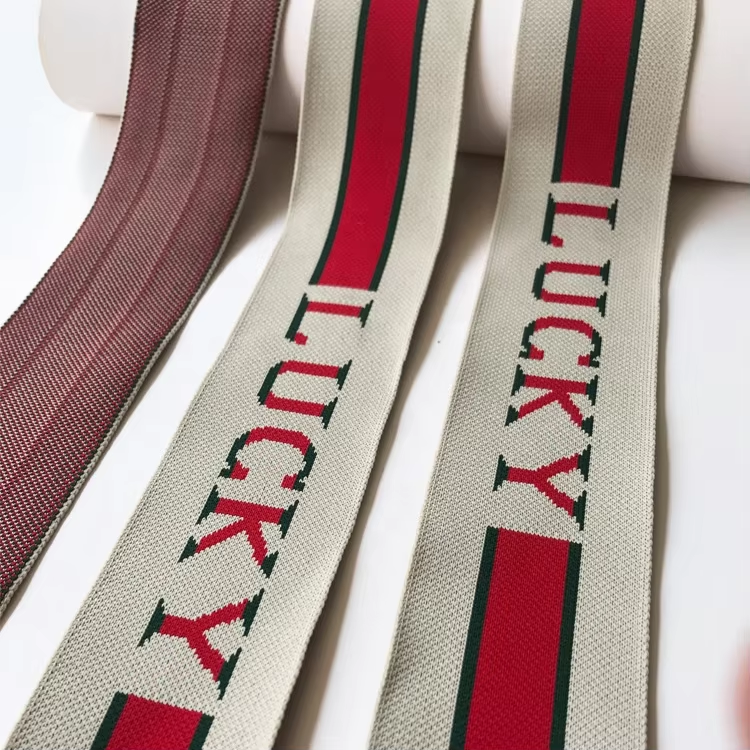
Understanding Webbing Rib Fundamentals
Definition and Manufacturing Process
Webbing rib plays a key role in textile manufacturing because of how tough and adaptable it is. Made from tightly packed fibers either woven or knitted together, this material gets extra strength while still keeping some stretch. That makes it great for things like strengthening seams on clothing or making sturdy straps and belts. When producing webbing rib, manufacturers start with knitting operations where special machines twist the fibers into place to create something solid enough for heavy duty work. After that comes various finishing touches including coloring processes, precise cutting techniques, and heat treatments to lock everything down just right. Checking quality throughout production remains absolutely essential too. Workers constantly measure thickness variations, test colors against samples, and check elasticity levels so nothing slips through that doesn't meet specifications. These regular spot checks along with strict compliance to industry rules help guarantee every batch stays within acceptable ranges for all kinds of textile applications out there.
1x1 Rib Knitting Techniques
The 1x1 rib stitch is basically one of those fundamental knitting techniques that everyone learns early on because it creates such a unique look and really stretches well. When we alternate between knit and purl stitches, what happens is these neat little vertical ridges form across the fabric surface. These ridges aren't just pretty they actually give the fabric extra stretchiness too. Fashion designers love using 1x1 ribbing all over the place in clothing design. Think about those tight fitting cuffs on jeans or the stretchy collars on sweaters these days. The reason so many designers gravitate toward this particular stitch pattern is simple enough it holds its shape remarkably well while still being able to stretch comfortably around different body shapes. That combination makes clothes feel much better against skin and lasts longer without losing their original fit. Most experienced knitters will tell anyone willing to listen that when working on items like socks or sleeve sections where flexibility matters most, nothing beats good old fashioned 1x1 ribbing for keeping everything looking sharp even after repeated wearing.
Material Composition Options
What material gets used for webbing rib makes a big difference in how it performs and feels against skin. Cotton remains a favorite because it lets air flow through and feels comfortable on the body, which explains why it shows up so much in everyday clothing items. Polyester stands out for being tough and lasting longer, which is why manufacturers tend to reach for it when making stuff that needs to withstand rough treatment like workout gear or factory uniforms. Many companies now mix different fibers together to get the best of both worlds. These blends can offer surprising flexibility without sacrificing strength. The actual makeup of these materials affects far more than just how something feels when touched. It determines whether the fabric stretches easily, stays firm under pressure, or gives that nice soft touch we all look for. According to recent data from textile makers, there's definitely a shift happening toward greener options. More brands are experimenting with recycled content and plant-based alternatives that still deliver good performance but leave a lighter footprint on our planet.
Functional Advantages in Modern Apparel
Enhanced Durability for High-Stress Areas
Ribbed webbing fabric really makes a difference when it comes to how long clothes last, particularly around those stress points we all know too well in activewear and work gear. What these materials do is hold up against all sorts of rough treatment during regular wear, which means less fraying and tearing over time. Regular fabrics just don't cut it in these situations, and that's why so many people end up replacing their stuff way too often. Webbing rib material stands out because it simply lasts longer than most alternatives. That's why major apparel companies keep coming back to it when they want their products to stand the test of time. Take Nike and Adidas as good examples they've been using ribbed construction in their athletic wear lines for years now, knowing full well that customers appreciate getting more miles out of their investment without sacrificing comfort or functionality.
Comfort and Flexibility Features
Webbing rib offers a nice mix of comfort and flexibility that makes it great for folks wanting something stylish yet easy to wear. The fabric lets air flow through pretty well, so people stay cooler during warmer weather. What stands out most is how flexible these materials are. They bend and stretch with body movements, making them suitable for everything from working out at the gym to just running errands around town. Many customers mention in their reviews how soft ribbed clothing feels against skin and how it moves with them instead of restricting motion. Fashion designers have been incorporating ribbed textures into casual wear collections for years now because they know consumers value that extra bit of comfort without sacrificing looks.
Shape Retention Mechanics
Webbing rib fabric really holds its shape well, something that makes all the difference when clothes start to lose their form after constant wearing. The secret lies in how stretchy these fabrics naturally are they can stretch out and then snap back to where they were without getting messed up. People love this because it keeps their outfits looking good for longer periods, meaning fewer trips to the store for new stuff. Research into different types of knits actually backs this up, showing that ribbed materials don't deform as much as other options do. When someone buys clothing made from webbing rib, they're essentially getting pieces that stay fitting properly and look decent even after months of regular wear.
Cuffs and Waistbands (1x1 Rib Applications)
Most often we see 1x1 ribbing showing up in cuffs and waistbands where it serves both looks and function in clothing design. The tightness of this rib fabric keeps those areas from moving around too much, so clothes don't ride up or slip down during normal wear. People really appreciate that secure feeling against their skin plus the neat appearance it gives to outfits. When makers use regular cotton for these ribs, they get something simple yet timeless looking. These details just naturally fit into different fashion styles without stealing attention away from other parts of the garment. That's why many designers stick with this approach when crafting pieces meant to last through multiple seasons.
Ribbed details actually give clothes much needed structure and shape retention. The stretchiness in 1x1 ribbing lets fabric move with the body while still keeping its form. That's why we see this technique used everywhere from everyday tshirts to serious athletic gear where people need both comfort and function during workouts. When fashion designers incorporate these ribbed features into their work, they open up all sorts of creative possibilities. Some brands stick with traditional looks, others experiment with bold modern cuts, making each collection unique in how it balances style with practical wearability requirements.
Structural Accents in Outerwear
Ribbed webbing has become something really special in outerwear design, giving clothes both shape and style. When designers add ribbing as accent details, they make their jackets and coats stand out visually without making things too complicated. Take a look at what big name brands do these days they often use top quality webbing material to create striking edges or those timeless trim lines that just look so good. What makes ribbed structures so great is how flexible they are. Outerwear can be tight fitting one minute and loose the next, yet still keep its structure and allow for proper movement when needed. That's why we see this feature showing up everywhere from sporty parkas to elegant trench coats lately.
Ribbed elements have become pretty common in today's outerwear designs, mainly because they bring some much needed texture and depth to otherwise flat fabrics. We see this across all sorts of garments really, whether it's jackets or long coats. The ribbed webbing adds that extra something special, turning what might just be another coat into something people actually notice on the street. It marks how clothing has moved beyond purely functional items toward something with real style appeal. When designers go for quality webbing materials, their creations look good while still holding up against whatever weather comes along, whether someone is hiking through mountains or simply walking around town dealing with everyday rain showers.
Full Garment Integration Techniques
When designers start using ribbed webbing throughout entire garments rather than just as decorative elements, it marks something pretty revolutionary for clothing design. Full integration demands some serious skill since it needs to work both functionally and look fabulous at the same time. The 1x1 rib knit pattern offers interesting textures while still being flexible enough to wear comfortably all day long. What really stands out is how these garments fit better on different body types and move naturally with people during their daily activities. This means fashion houses can reach more customers without compromising on style or comfort.
Adding ribbing to garments presents some interesting possibilities but also comes with its share of headaches for designers. On one hand, they get to play around with new looks and textures, but there's always that tricky part where too much goes wrong with how it all looks together. Take those runway pieces we see sometimes - really cool designs with ribs in unexpected places, yet somehow still wearable enough for everyday life. The way these experimental pieces turn out shows just how far ribbed fabric can take us when it comes to making clothes that look good and work well at the same time.
Choosing Quality Webbing Materials
Picking out webbing materials means looking at several factors including how long they'll last, how they look, and what kind of fabric makes them up. Good quality webbing needs to hold up against regular use while still looking good after months of being worn or used. Nylon stands out as a tough yet flexible option that works well across different fields, whether someone is making clothes or building something industrial. Getting stuff from trusted manufacturers really matters too because it cuts down on problems later on when things start falling apart or losing their color. Most folks who know their way around textiles will check if products meet certain industry benchmarks established by groups that specialize in fabric quality before making any big purchases.
Maintenance for Longevity
Want your ribbed webbing clothes to last longer? Maintenance matters a lot. The way we wash these items really affects how long they stay in good shape. Most folks should stick with cold or warm water and something gentle for cleaning. Strong chemicals or boiling water just wear down the fabric eventually. That's why many people find that regular soap works better than specialty products, plus letting them dry naturally instead of tossing in the dryer helps too. Manufacturers who make ribbed fabrics usually include some basic care tips somewhere on the tag. Pay attention to those guidelines because ignoring them might mean shorter lifespan for our favorite pieces. After all, nobody wants to replace something after only a few months of use when it could have lasted years with proper care.
Sustainability Considerations
Webbing production leaves a significant mark on our environment, something that's becoming harder for the textile sector to ignore. Many companies are now looking at ways to cut down on waste and emissions during manufacturing. Some have started incorporating post-consumer plastic bottles into their products, while others experiment with plant-based dyes instead of traditional chemical ones. Certificates such as GRS (Global Recycle Standard) and OEKO-TEX Standard 100 aren't just marketing tools anymore they actually show when a company walks the talk about green manufacturing. When consumers choose webbing made through sustainable methods, it sends a clear message to the market that environmental responsibility matters, ultimately helping shift the entire industry toward cleaner practices over time.