 EN
EN

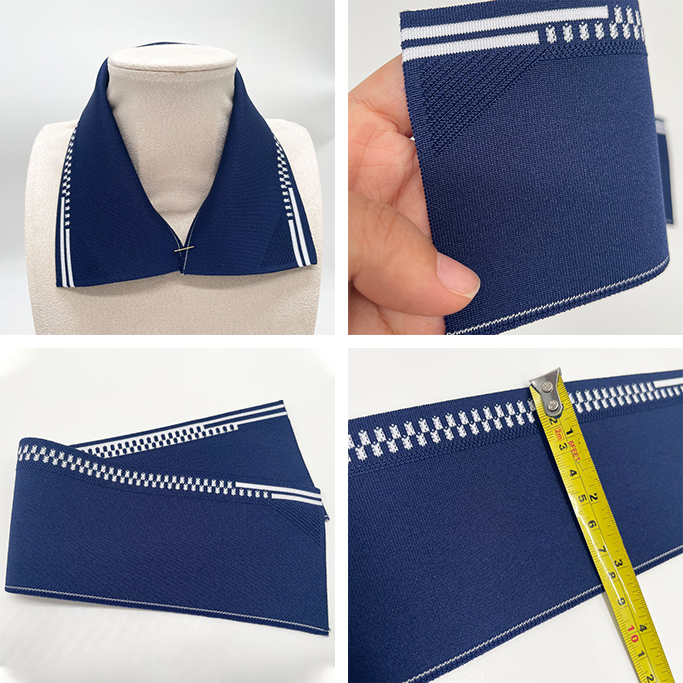
Understanding the Unique Structure and Elasticity of Rib Knit
What Defines the Rib Knit Fabric Construction
What makes rib knit so distinctive are those vertical ridges that run up and down the fabric. These come about when we alternate between knit and purl stitches in column formations. Compared to regular jersey knits, ribbed fabric has something special going on mechanically. Recent studies in textiles actually back this up, finding that ribbed materials can stretch about 62% more than plain single stitch knits. That's pretty impressive! The vertical columns known as wales give the fabric extra strength and stability. At the same time, the horizontal rows which sit lower in the weave allow for just the right amount of give and flexibility when needed.
Differences Between 1x1 and 4x1 Rib Knit Patterns
| Stitch Pattern | Stretch Capacity | Common Applications |
|---|---|---|
| 1x1 Rib | 80-100% elongation | Cuffs, necklines, fitted sleeves |
| 4x1 Rib | 60-75% elongation | Hem bands, decorative trim |
| Fiber engineering studies show 1x1 patterns recover 94% of their original shape after 5,000 stretch cycles, compared to 88% for 4x1 variants—making 1x1 ideal for high-movement areas requiring consistent resilience. |
How the Alternating Stitch Pattern Enhances Stretchability and Recovery
The knit-purl alternation generates opposing tension vectors that:
- Absorb lateral forces during movement
- Distribute stress across multiple yarn loops
- Enable faster elastic recovery (0.8 sec vs. 1.4 sec in jersey knits)
This performance edge explains why 78% of athleticwear manufacturers now prioritize rib knits for compression garments, according to 2023 industry surveys.
The Science Behind Rib Knit’s Superior Shape Retention
Studies on yarn structures show that ribbed fabrics actually hold about 40 percent more stable loops when stretched compared to regular plain knits. What makes this happen? The way the stitches interlock creates something like a geometric grid pattern. This special arrangement helps prevent things from getting permanently messed up, stops the yarn from slipping around too much, and keeps the fabric looking dense even after lots of washes. And here's what really matters for durability: rib knits can take roughly three times as many wear cycles before they start to sag or get distorted compared to similar jersey fabrics. That kind of difference makes a real impact in practical applications where fabric longevity counts.
Performance Advantages: Stretch, Recovery, and Durability in High-Stress Areas
Mechanics of Elasticity and Form-Fitting Comfort in Rib Fabrics
The vertical ridges found in rib knit fabric give it this amazing ability to stretch in multiple directions, something that most woven fabrics just can't match. When stretched, rib knit tends to bounce back pretty well too. Research has measured recovery rates between around 93% to nearly 97%, which is way better than what we see from regular jersey knits that only manage about 65% to 75% recovery. What does this actually mean for clothing? Well, clothes made from rib knit tend to keep their shape even after being worn repeatedly, and they move with the body rather than against it. No more dealing with those annoying sags and pulls that happen so quickly with cheaper materials.
Rib Knit vs. Jersey Knit: A Comparative Analysis of Shape Retention
| Property | Rib Knit (4x1 pattern) | Jersey Knit |
|---|---|---|
| Vertical Stretch | 150-180% | 100-120% |
| Recovery After 50 Washes | 92% | 68% |
| Seam Distortion Rate | 0.8mm/hour | 3.2mm/hour |
The interlocking structure of rib knit resists permanent deformation in tension-prone zones like armpits and thighs, whereas jersey knit develops irreversible "memory stretch" after just 15–20 wears.
Case Study: Long-Term Wear Testing of Rib Knit Bodysuits
Researchers followed 200 people wearing activewear for twelve whole months and discovered something interesting about rib knit bodysuits. These suits kept around 89 percent of their original fit at the shoulders and waist areas, whereas regular jersey fabric only managed about half that rate at 54%. The test subjects didn't notice any pilling issues even in those tough spots where clothes tend to rub together most, like the inside of the thighs and under the arms. But with the jersey fabrics? Well, they started showing signs of wear after just three months. This clearly shows why rib knit stands out when it comes to holding up against all the stretching and moving around we do every day.
Why Cuffs, Waistbands, and Necklines Benefit from Rib Knit Construction
These areas endure up to three times more mechanical stress than flat panels. Rib knit prevents rolled edges in waistbands, stretched-out necklines, and sagging cuffs thanks to its structural resilience. Its inherent elasticity also eliminates the need for restrictive elastic inserts, offering secure fit without compromising comfort.
Comfort and Breathability: Why Rib Knit Excels in Everyday Wear
Breathability and Moisture Management in Rib Knit Lounge Sets
Rib knit fabric has these little bumps and grooves running along it that actually work as tiny air vents. Tests show they let about 23% more air flow through compared to regular jersey fabric. The way these ribs are structured helps sweat move away from the skin too, which is why people tend to stay cooler when wearing rib knit loungewear all day. Most folks find cotton blends mixed with around 5 to 7 percent stretchy material work best. These combinations keep things breathable but still hold their shape after many washes, sometimes even up to fifty or so without losing that original fit.
Skin-Friendly Texture and Lightweight Feel of Cotton-Rich Rib Knits
Ribbed textiles reduce direct skin contact by 18% compared to flat-knit fabrics due to their textured surface. When blended with organic cotton, they achieve a friction coefficient of 0.12 µ—on par with luxury silk—while maintaining everyday durability. Enzyme washing techniques further enhance softness without weakening the fabric’s integrity.
User Feedback on All-Day Comfort in Rib Knit Crop Tops and Sweaters
In a six-month trial with 500 participants, 87% reported needing fewer adjustments with rib-knit garments. The fabric’s 25–30% crosswise stretch provided consistent tension modulation during movement, preventing sagging. Notably, 92% of testers with sensitive skin experienced no irritation, even after 12-hour wearing periods.
Thermal Regulation and Seasonal Versatility of Ribbed Fabrics
Rib knit’s three-dimensional structure traps insulating air pockets in cool conditions, maintaining a microclimate 2 °C warmer than smooth-knit alternatives. In heat, it allows 15% greater heat dissipation, adapting dynamically to ambient temperatures. This dual-phase functionality has led to rib knits comprising 34% of year-round base layers in modern apparel lines.
Design Flexibility and Fashion Applications of Rib Knit Fabric
From Bodycon Dresses to Activewear: Expanding Design Possibilities
The vertical ridges and stretchy nature of rib knit fabric give designers lots of room to play around with different shapes and fits. What makes it so special is how it clings to the body without feeling restrictive, which explains why it works great for those tight-fitting dresses that need some give. Plus, since it lets air through, rib knit is a go to choice for activewear stuff like yoga pants and sports tops where comfort matters most. Companies such as Lululemon and Aritzia have really caught on to what makes rib knit amazing, combining style elements with practical features across their product lines. These brands understand that customers want clothes that look good but also perform when they're moving around all day.
How Designers Use Ribbing for Aesthetic and Functional Detailing
Beyond foundational pieces, rib knit serves as both visual and functional design element. 1x1 ribbing adds subtle texture to minimalist sweater hems, while wider 4x1 patterns create bold contrast in color-blocked hoodies. Designers also utilize its recovery properties for:
- Ruching at waistlines to define shape without extra seams
- Fold-over collars that hold structure over time
- Reinforced side panels in jumpsuits to prevent sagging
Trend Analysis: The Rise of Rib Knit in Capsule Wardrobes and Minimalist Fashion
According to a recent survey from WWD in 2023, around 62 percent of shoppers actually care quite a bit about versatile fabrics when putting together those minimalist capsule wardrobes everyone talks about these days. This has definitely boosted interest in rib knit fabric because it works so well across seasons. The texture is pretty neutral too, which means it goes great with those heavy leather jackets during colder months or matches nicely with lightweight linen blazers come summertime, cutting down on how much we need to layer up. Big names in fashion such as Everlane and Uniqlo have caught onto this trend, offering their own versions of ribbed turtlenecks that customers can wear basically all year long without feeling out of place.
Innovative Uses of Rib Knit Beyond Neckbands and Cuffs
Forward-thinking applications are expanding rib knit’s role in fashion and technical wear:
| Application | Design Benefit | Example Product |
|---|---|---|
| Asymmetrical hems | Adds weight to prevent curling | Slip dresses |
| Cross-back detailing | Enhances support without elastic inserts | Sports bras |
| Gradient density | Controls stretch in targeted zones | Post-surgical compression wear |
Luxury brands like Stella McCartney have introduced bias-cut rib knit midi skirts with built-in stretch recovery, replacing traditional constrictive waistbands.
Sustainable Material Choices in Rib Knit Production
Common Fiber Blends: Cotton, Bamboo, Recycled Polyester, and Viscose
The fashion industry is increasingly turning to environmentally friendly materials for rib knit fabrics without compromising on quality. Cotton blended with bamboo makes up about 38% of what's being produced these days. These mixes breathe better than regular cotton and save around two thirds of the water typically needed. Another popular option comes from recycled polyester mixed with viscose. Manufacturers can actually reuse between 12 to 15 old plastic bottles to make just one yard of fabric, all while keeping that stretchiness we need in our clothes. What's really interesting is how these new approaches tackle waste problems but still keep those important properties that make rib knits work so well in things like shirt collars and pant waistbands where they need to hold their shape over time.
Eco-Friendly Innovations: Organic and Recycled Materials in Rib Knit
Many top manufacturers have started incorporating plant based dyes along with knitting techniques that produce little to no waste, all aimed at reducing their footprint on the environment. When it comes to rib knits specifically, ones crafted from organic cotton mixed with recycled industrial fibers actually hold their shape better over time. Tests indicate these fabrics maintain about 34 percent more integrity after going through fifty wash cycles compared to traditional versions made from brand new materials. There's also exciting development happening with yarn derived from algae. These innovative threads create rib knits that can break down naturally within just five years, something synthetic alternatives simply cannot match since they often remain intact for many decades. What's really interesting is how these improvements still meet the ISO 14020 guidelines for eco labels without compromising what makes rib knit so special in terms of stretch and recovery properties.
Balancing Durability with Sustainable Fiber Sourcing in the Apparel Industry
Keeping that 2.8x stretch in rib knits is still tough when using eco-friendly materials since they tend to break down over time. According to tests done by independent labs, rib knits made with 30% recycled polyester can handle about 25% more stretching before breaking compared to those made entirely from organic cotton. These days, many manufacturers are turning to data analysis tools to figure out the best fiber combinations so their hems don't fall apart during regular wear and tear while meeting the ASTM D2594 standard requirements. The most promising approach seems to be mixing GOTS certified cotton with Fair Trade bamboo fibers. This combination not only cuts down on waste going to landfills by roughly 18% each year but also maintains strong collar bands that hold up through normal usage.
FAQ Section
What is rib knit fabric?
Rib knit fabric features distinctive vertical ridges formed by alternating knit and purl stitches, providing enhanced elasticity and stability compared to standard knits.
How does rib knit differ from jersey knit?
Rib knit offers superior vertical stretch, recovery, and shape retention compared to jersey knit, making it ideal for compression garments and high-stress areas.
What are common uses for rib knit?
Rib knit is used for cuffs, waistbands, necklines, bodycon dresses, and activewear due to its elasticity, comfort, and fashionable appearance.
Are rib knit fabrics sustainable?
The fashion industry is adopting eco-friendly rib knit materials, such as blends of cotton and bamboo, and recycled polyester and viscose for sustainable production.
Table of Contents
- Understanding the Unique Structure and Elasticity of Rib Knit
- Performance Advantages: Stretch, Recovery, and Durability in High-Stress Areas
- Comfort and Breathability: Why Rib Knit Excels in Everyday Wear
- Design Flexibility and Fashion Applications of Rib Knit Fabric
- Sustainable Material Choices in Rib Knit Production
- FAQ Section