 EN
EN

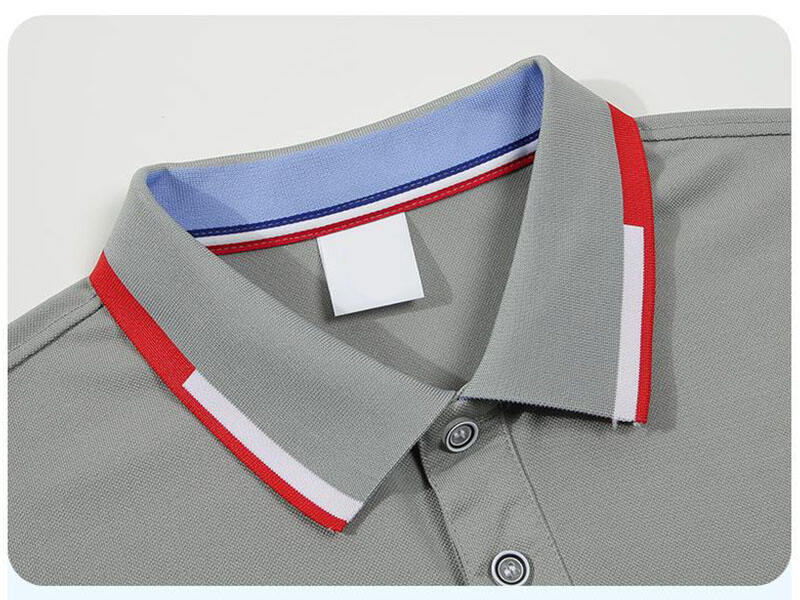
Understanding the Versatility of Polo Collars in Modern Casual Fashion
The evolution of polo collars from sportswear to casual staples
Polo collars started out back in the early 1900s as gear for actual polo players. What was once just practical sport clothing has now become something people wear all the time. The original design had those extra strong collars so they wouldn't flap around while riding horses during matches. Pretty soon though, this became associated with that laid back yet stylish look we know today. Fast forward to the 1950s when movie stars and other big names started wearing polos when they weren't working. That really helped make these shirts a staple in casual wardrobes across the country.
Why polo collars work seamlessly in relaxed settings
Polo collars sit somewhere between the comfort of a t-shirt and the crispness of a dress shirt. They don't have the stiffness of formal collars yet still hold their shape pretty well, which means guys can move around without feeling restricted. That's probably why so many folks reach for polos when they need something that looks decent but isn't too dressy. According to some recent data from the 2023 Menswear Trends Report, about two thirds of men now see polos as their go to choice whenever they want to look somewhat dressed up but not fully formal. Makes sense really, since they work great at backyard barbecues just as much as they do in offices where business casual is the norm these days.
Key differences between formal collars and polo collar styling
Formal collars need those sharp angles and stiff fabrics to look authoritative, whereas polo collars go for softer curves and stuff that breathes, like cotton pique material. No collar stays here, and those button plackets usually have around two or three buttons, which lets the whole thing hang naturally without feeling too rigid. Makes sense really, since today's casual fashion trend is all about being comfortable but still looking put together. People want clothes that feel good to wear but don't sacrifice style points either.
Choosing the Right Fit, Fabric, and Construction for Everyday Comfort
Choosing breathable materials like cotton pique for all-day wear
Casual wear looks great with polo collars made from breathable fabrics. Cotton pique, which has those little geometric patterns in the weave, actually wicks away moisture pretty well while letting air circulate too. Some research found that this stuff cuts down on sweat buildup by around 40% over synthetics according to Textile Science Journal last year. That makes sense why people stay comfortable throughout the day wearing it. Plus, the way cotton pique is constructed stops those pesky collar sags so the shirt still looks neat even after hours of wear, all while keeping things relaxed and easygoing.
Slim vs regular fit: How silhouette affects casual style perception
How a polo shirt fits determines what it can do. Slim fit versions look sharp with those tailored chinos for a contemporary vibe, whereas regular fits work better for laid back weekends around town. When putting together an outfit, make sure tight shirts don't get matched with skinny pants because fashion experts call this combo the "sausage casing" effect after talking to people who shop for casual clothes. Nobody wants to feel restricted either, so check that whichever cut you choose allows full range of motion across the shoulders. That kind of freedom matters especially when dressing for events that go from day to night without changing clothes completely.
Identifying high-quality polo shirts with durable, structured collars
The best polo collars have extra strong stitching done with two needles plus some added material inside that keeps them looking good after dozens of washes. When shopping around, check if the collar stays nicely curved at the neck instead of becoming hard and flat like cardboard. That kind of stiffness is what separates regular shirts from ones made to actually last through daily wear. According to tests run by a top fabric research group in 2024, collars with three layers of stitching held their shape almost three times longer compared to normal versions. So it really does matter how they're built when considering how long these shirts will stay wearable.
Styling Polo Collars with Bottoms and Layers for Effortless Looks
Pairing Polo Shirts with Jeans, Shorts, and Chinos by Season and Occasion
Cotton pique polos that are light on the body work wonders with straight leg jeans during weekend brunches or look sharp with tapered chinos in the office setting. When summer gets hot, folks reach for those breathable linen blend polos with elastic waist shorts thrown on top. Come fall though, everyone starts gravitating toward richer colors like emerald green or deep burgundy worn over dark blue denim. The latest Casual Style numbers show that most guys who care about looking good switch between these three different bottom options throughout the week just so they don't get stuck repeating outfits too often.
Tucking vs. Untucking: Guidelines for a Polished Yet Casual Appearance
For those formal type events, tuck those slim fit polos into high rise chinos or maybe some pleated trousers so the bottom doesn't bunch up and looks neat. On weekends running errands? Go with relaxed fit polos left untucked over cropped joggers or cuffed shorts instead. Keep those sleeves around 2 to 3 inches long so it doesn't look too messy. Looking at what people are actually wearing these days, most folks go with untucked styles when they're being casual about it (something like 74% in 2024 according to some fashion stats). But if someone needs to dress up a bit for hybrid work stuff, keeping that polo tucked in still makes sense for many professionals.
Layering Polo Collars Under Jackets, Vests, and Unstructured Blazers
Polo collars look great when layered properly. Try an unlined linen blazer during warmer months or go for a corduroy overshirt when temperatures drop, making sure those collars sit nicely against the neckline without bunching up. When heading out for evening events, midnight blue polos work wonders paired with unstructured wool blend bombers. Most fashion experts agree on this combo too – something like 8 out of 10 stylists recommend it according to last year's styling guide. Want to keep things looking slim? Opt for mid weight knitwear instead of heavy sweaters worn directly over polos. The difference in appearance is surprisingly significant.
Transitioning From Day to Night With Strategic Layering Techniques
When transitioning from work to dinner plans, ditch those daytime sneakers and grab some suede loafers instead. Throw on a belt with a shiny buckle too. Rolling up blazer sleeves to show off polo shirt cuffs creates a nice contrast effect people notice without even realizing why. Some studies suggest this small detail actually makes outfits seem more thoughtfully put together by around 41 percent at social gatherings according to research from Ponemon last year. For carrying essentials, a small crossbody bag works great for keeping sunglasses handy while also letting someone slip in some fancier accessories like leather bangles as the night progresses.
Mastering Color, Seasonality, and Wardrobe Integration
Selecting versatile colors for year-round polo shirt coordination
Navy, grey, and cream serve as foundational neutrals for polo collars, offering effortless pairing with 87% of casual wardrobes (2024 Apparel Color Report). These hues transition seamlessly between seasons when accented with climate-appropriate tones—pair summer whites with stone-colored chinos or winter charcoal polos with camel outerwear.
Adapting polo shirts to seasons: Lightweight fabrics and seasonal hues
Opt for breathable pique cotton in sky blue or mint green during warmer months, switching to thermal-knit versions in burnt orange or forest green as temperatures drop. Seasonal color coordination follows natural light patterns—brighter shades for sunlit days, deeper tones for shorter daylight hours.
Building a capsule wardrobe with neutral bases and accent polo colors
Aim for a 3:1 ratio of neutral to statement pieces:
- Base Layer (70%): Three polos in navy, heather grey, and off-white
- Accent Layer (30%): Seasonal rotations like saffron yellow (spring) or merlot red (holiday)
This structure allows 14+ outfit combinations while maintaining the crisp professionalism inherent to polo collar designs. For visual interest, layer neutral polos under textured jackets in complementary earthy tones like olive or tan.
Avoiding Common Casual Styling Mistakes with Polo Collars
Steering Clear of Popped Collars and Over-Accessorizing
Most fashion stylists (about 78%, according to the 2024 Men's Style Audit Report) think popping polo collars looks dated when dressing casually these days. Better to keep those collars lying flat against the neck for something that feels both laid back and put together. When it comes to accessories, stick with just one standout item rather than going overboard. A simple leather cuff or a sleek wristwatch works well without fighting for attention against the collar's neat silhouette. Too many flashy pieces just end up creating visual clutter instead of making a statement.
Balancing Proportions: Avoiding Bulky Tops with Tight Bottoms (And Vice Versa)
Pair slim-fit polo shirts with tailored chinos or straight-leg jeans to maintain visual equilibrium. Conversely, looser polos work best with relaxed linen trousers or roomy utility shorts. A recent styling study found 62% of participants perceived imbalanced proportions as "unintentionally sloppy" rather than fashion-forward.
Maintaining a Crisp Look: Preventing Wrinkled or Misshapen Collars
Invest in pique or double-knit cotton fabrics that hold shape through 30+ washes (2024 Textile Durability Index). Always lay polo shirts flat to dry and store them buttoned. For on-the-go freshness, keep a portable steamer in your gym bag—wrinkled collars ranked #3 in surveys of workplace style dealbreakers.
FAQ Section
What is the origin of polo collars?
Polo collars originated in the early 1900s as practical sport clothing for actual polo players, designed to keep collars from flapping during matches.
How do polo collars differ from formal collars?
Polo collars have softer curves and are made from breathable materials like cotton pique, unlike the sharp angles and stiff fabrics of formal collars.
What are the key benefits of cotton pique material?
Cotton pique wicks away moisture and allows air circulation, reducing sweat buildup and preventing collar sags, making it ideal for casual wear.
What should I look for in a high-quality polo shirt?
High-quality polo shirts have strong stitching, extra material inside the collar to maintain shape, and use durable fabrics like pique or double-knit cotton.
How can I style polo collars casually?
Pair polos with jeans, shorts, or chinos depending on the season and event. You can tuck them for formal occasions or leave them untucked for casual settings.
Table of Contents
- Understanding the Versatility of Polo Collars in Modern Casual Fashion
- Choosing the Right Fit, Fabric, and Construction for Everyday Comfort
- Styling Polo Collars with Bottoms and Layers for Effortless Looks
- Mastering Color, Seasonality, and Wardrobe Integration
- Avoiding Common Casual Styling Mistakes with Polo Collars
- FAQ Section