 EN
EN

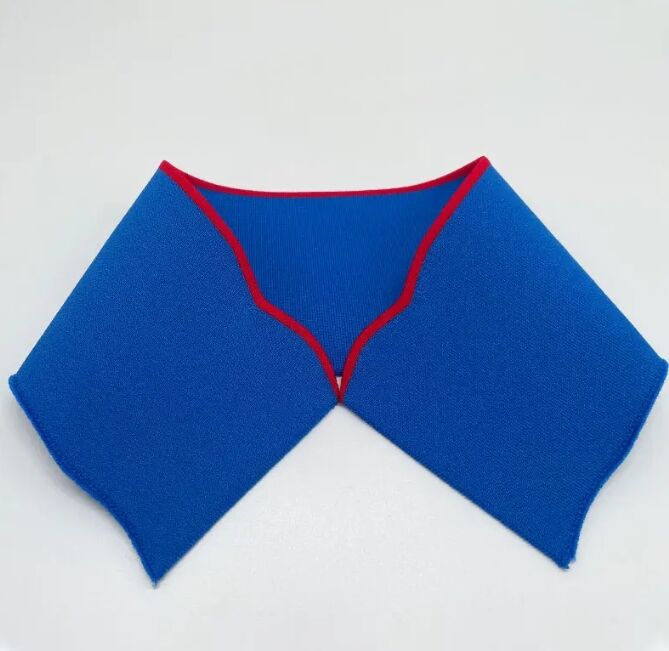
Understanding Knitting Rib and Its Structural Advantages for Sustainability
What Is Knitting Rib and Why It Matters in Eco-Friendly Design
Rib knitting creates fabric with alternating raised ridges (those are the knit stitches) and indented areas (called purl stitches). This gives the material both stretch and durability. Compared to regular weaving methods, rib knitting actually cuts down on yarn waste quite a bit, maybe around 15 percent or so because of how the loops form together. Some studies published in Nature Materials back this up. What makes rib fabrics really interesting for sustainable fashion is their natural stretchiness. Since they don't need extra synthetic elastic threads to stay flexible, these materials work well in clothing systems designed for reuse and recycling. The industry keeps looking for ways to make garments last longer and reduce waste, and rib knitting seems like a promising approach.
How Rib Fabric’s Elasticity and Structure Enhance Sustainable Performance
When it comes to stretchability, rib knit fabrics can stretch anywhere between 150 to almost 200 percent and still bounce back to their original shape about 78 to 93 percent of the time, based on tests done by textile engineers. This combination of flexibility and resilience means people tend to replace their clothes 40 percent less often than with regular plain knits. Another advantage lies in how these fabrics are constructed. The loops in rib knits lock together in such a way that makes them much simpler to take apart when it's time for recycling, which is really important if we want to hit those circular economy goals set by folks like the Ellen MacArthur Foundation by 2030. Plus, because of the special arrangement of threads called wales and courses, rib fabrics stand up to wear and tear better than most other knits, lasting about 20 percent longer before showing signs of damage. That kind of durability supports what many designers now call "longevity first" thinking in sustainable fashion.
Organic Cotton and Recycled Polyester: Core Materials for Eco-Conscious Rib Fabrics
The sustainable approach to knitting rib fabric focuses heavily on organic cotton and recycled polyester options to cut down on environmental harm. When it comes to water usage, organic cotton farming actually requires around 91% less water than regular cotton growing methods according to recent industry reports from 2024. Plus, no toxic pesticides are used during cultivation, which makes this material particularly good for creating those soft, breathable ribbed fabrics we all know and love. Recycled polyester is another game changer here, typically made from old plastic bottles collected after consumer use. This recycling process cuts energy needs by roughly 45% when compared to producing new polyester from scratch. Many manufacturers now mix these eco-friendly materials together to make their rib knit products. The result? A product line that's not only versatile but also leaves behind a carbon footprint about one third smaller than what we see with traditional fabric blends in the market today.
Performance Blends with Spandex, Modal, and TENCEL™: Balancing Stretch and Sustainability
The latest knitting rib designs combine TENCEL lyocell fibers (made from wood pulp grown sustainably) with Modal fabric and recycled spandex to maintain stretchiness over time. What makes these materials stand out? They need about half the water compared to regular synthetic fabrics when being processed. For instance, a common mix of 85% TENCEL paired with 15% recycled spandex holds its shape around 40% longer than those old petroleum based options on the market today. As consumers increasingly seek performance without compromising environmental values, manufacturers are turning to these innovative blends for their ribbed textile needs.
Innovations in Biodegradable and Low-Impact Yarns for Modern Knitting Rib
Manufacturers across the industry are starting to experiment with new materials for rib knit production, including algae based yarns and those made from PLA which comes from corn starch. The good news is these eco friendly options break down around 90 percent quicker than regular acrylic materials when placed in industrial compost facilities. According to some recent studies from last year, there's also been promising results with yarns derived from mushrooms mycelium that cut down on carbon emissions during the knitting process by roughly two thirds per kg manufactured. As companies continue developing these alternatives, rib fabric is becoming increasingly important within circular fashion models. This development fits right into international efforts aiming to slash textile waste by about thirty percent before the end of this decade.
Eco-Friendly Manufacturing Processes in Knitting Rib Fabrication
Low-Impact Dyes and Water-Saving Finishing Techniques in Rib Knit Production
Manufacturers now implement plant-based dyes and digital printing methods that reduce water consumption by 65% compared to conventional dyeing (Global Textile Sustainability Report 2024). These techniques maintain color vibrancy through advanced fixation processes while eliminating toxic runoff common in traditional practices.
Energy-Efficient Knitting Machines and Closed-Loop Water Recycling Systems
Modern facilities utilize energy-efficient circular knitting machines requiring 40% less energy (Textile Technology Institute 2023) alongside closed-loop water systems that reclaim 98% of process water. By integrating 3D whole-garment knitting technology, manufacturers achieve zero material waste while preserving the structural integrity essential for knitting rib's signature elasticity.
Localized Manufacturing to Reduce Carbon Emissions in Knitting Rib Supply Chains
Regional production hubs serving continental markets have slashed transportation-related emissions by 58% (Supply Chain Carbon Review 2023). This model supports lean inventory practices while meeting growing demand for verifiably sustainable knitting rib garments across sportswear and casualwear sectors.
Durability and Longevity: Why Knitting Rib Supports Circular Fashion
Inherent Resilience of Rib Knit Fabric: Shape Retention and Wear Resistance
The unique vertical rib pattern created when alternating knit and purl stitches gives these fabrics remarkable stretchiness and the ability to bounce back to their original shape. Garments made with this kind of knitting hold up really well against constant stretching without getting loose or misshapen, which matters a lot for clothes designed to last longer and cut down on fabric waste in today's circular fashion world. Compared to regular flat knits, ribbed materials actually keep around 89 percent of their initial form even after being worn over fifty times according to research from Textile Institute back in 2023. That makes sense why designers often choose ribbing for parts of clothing that get stretched out the most, such as sleeve cuffs and shirt collars where durability counts.
Care Practices That Extend the Life of Knitting Rib Garments
Cold water washing (℃30) and air-drying preserve knitting rib’s elasticity while reducing microfiber shedding by 42% compared to warmer cycles. Avoid fabric softeners, which coat fibers and diminish breathability. For pilling, use a manual fabric shaver instead of abrasive methods—this extends wearable life by 18–24 months.
Case Study: Lifecycle Analysis of a Sustainable Knitting Rib Sweater
A 5-year study of organic cotton knitting rib sweaters revealed:
| Metric | Conventional Sweater | Sustainable Rib Knit |
|---|---|---|
| Average lifespan | 2.3 years | 5.1 years |
| CO2 emissions/kg | 8.2 | 5.6 (-32%) |
| Post-recycling yield | 12% | 94% |
The extended durability directly supports circularity—94% of retired rib-knit sweaters were re-spun into new yarns, versus 12% for standard knits.
Market Adoption and Authenticity: The Rise of Knitting Rib in Sustainable Fashion
Consumer Demand Driving Growth in Sustainable Knitting Rib Applications
Interest in knitting rib fabric within sustainable fashion circles jumped around 42 percent since 2021 as people started caring more about clothes that last longer and come from ethical sources. According to some recent numbers from Textile Exchange in their 2023 report, nearly two thirds of shoppers now look specifically for items with proper green labels when shopping, and they tend to gravitate toward rib knits because these materials stretch well while still being environmentally friendly. As this trend continues growing, we've seen brands invest roughly 30% more money into those special circular knitting machines needed to keep up with what customers want these days.
Leading Brands Integrating Eco-Friendly Knitting Rib in 2024 Collections
Big name clothing manufacturers are shifting quite a bit of their knit product ranges these days, with around half to almost three quarters going into rib fabric production made from recycled polyester collected after consumer use and cotton grown through regenerative farming practices. The fashion industry has seen some real game changers too. Take 3D whole garment knitting technology for instance. This innovation cuts down on wasted yarn by nearly all of it (around 95%) when compared to traditional cutting and sewing techniques. That's why companies such as EcoKnit Collective can actually market sweaters that produce absolutely no waste during manufacturing. Looking ahead, there appears to be growing interest among retailers worldwide. More than a hundred stores across different countries intend to start incorporating blockchain tracked materials specifically for rib knits sometime around 2025, though timelines might vary depending on supply chain readiness and verification protocols still being worked out.
Greenwashing vs. Genuine Innovation: Evaluating Claims Around Sustainable Rib Fabrics
About half of all products labeled as eco-friendly when it comes to rib knits don't actually have proper third party certifications backing those claims. But things are changing fast. The Global Recycled Standard has grown quite a bit recently, covering around 38% of commercial rib fabric production these days compared to just 12% back in 2020. Companies that manage to get their rib knitting processes certified under Cradle-to-Cradle standards tend to slash their carbon footprint by about 60%. How? They run their knitting operations on renewable power sources and implement those fancy closed loop dyeing systems that recycle water and chemicals. Looking at independent lifecycle assessments too, we find something interesting: well made rib knit clothes actually hold up about two and a half times longer than regular alternatives. That makes them pretty important players in the whole circular fashion movement.
Frequently Asked Questions
What are the key benefits of knitting rib fabrics in sustainability?
Knitting rib fabrics offer enhanced stretch and durability, which contributes to reduced garment replacement, waste reduction, and ease of recycling. These qualities support sustainable fashion practices.
How does rib knitting reduce yarn waste?
Rib knitting forms loops that interlock efficiently, cutting down yarn waste by approximately 15% compared to standard weaving methods.
Is rib knit fabric better for recycle and reuse?
Yes, the structure of rib knit fabrics allows for easier deconstruction and recycling, aligning with circular economy goals and enhancing sustainability.
What materials are commonly used in eco-friendly rib fabrics?
Eco-friendly rib fabrics commonly use organic cotton, recycled polyester, and innovative blends like TENCEL, Modal, and recycled spandex to balance stretch and sustainability.
Why is there a trend in adopting rib fabric in sustainable fashion?
Consumer demand for long-lasting, eco-friendly materials is driving brands to invest in rib fabric, which offers elasticity and durability while supporting ethical fashion practices.
Table of Contents
- Understanding Knitting Rib and Its Structural Advantages for Sustainability
- Organic Cotton and Recycled Polyester: Core Materials for Eco-Conscious Rib Fabrics
- Performance Blends with Spandex, Modal, and TENCEL™: Balancing Stretch and Sustainability
- Innovations in Biodegradable and Low-Impact Yarns for Modern Knitting Rib
- Eco-Friendly Manufacturing Processes in Knitting Rib Fabrication
- Durability and Longevity: Why Knitting Rib Supports Circular Fashion
- Market Adoption and Authenticity: The Rise of Knitting Rib in Sustainable Fashion
- Frequently Asked Questions