 EN
EN

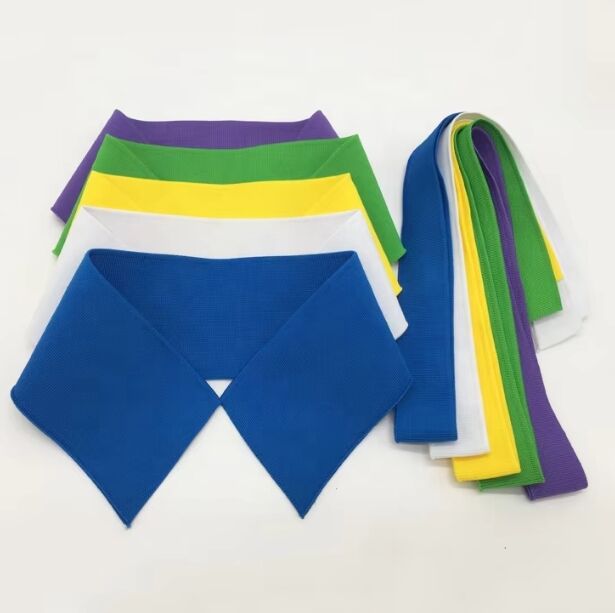
Understanding the 1x1 Rib Knit Structure and Its Elastic Properties
How 1x1 Rib Differs from Other Knit Structures
What makes the 1x1 rib so special is its unique pattern where knit and purl columns alternate, forming those distinctive vertical ridges. This construction allows for impressive horizontal stretch ranging between 40 to 60 percent. For comparison, regular single jersey fabrics only stretch around 15 to 25%, while the 2x2 rib manages about 25 to 35%. Now when we look at other types of ribs, they tend to be wider and serve different purposes like providing extra warmth or creating specific textures. But with the 1x1 rib, the main focus is on how well it stretches and bounces back into shape. That's why manufacturers love using this particular configuration for parts of garments that need maximum flexibility, such as sleeve cuffs and collar areas where movement is constant throughout the day.
| Rib Type | Stretch Range | Primary Use | Key Material Blends |
|---|---|---|---|
| 1x1 Rib | 40-60% | Collars, cuffs, activewear | Cotton-spandex (95%/5%) |
| 2x2 Rib | 25-35% | Casual sweater trims | Wool-acrylic blends |
| Single Jersey | 15-25% | T-shirt bodies | 100% cotton or polyester |
This performance stems from balanced stitch distribution, which evenly distributes tension during wear while maintaining 92% shape recovery after 50 stretch cycles (Textile Institute, 2024).
The Science Behind Stretch and Recovery in 1x1 Rib Fabric
Elasticity in 1x1 rib arises from two key mechanisms:
- Yarn Mobility: Spandex blends (3–7%) act as molecular "springs," returning to their original position after deformation
- Mechanical Lock: Interlocking purl stitches resist slippage, preventing permanent distortion
Tests show fabrics with combed cotton cores wrapped around spandex retain 85% of initial elasticity after 50 washes—22% better than carded cotton variants—thanks to improved fiber alignment and reduced degradation.
Optimizing Yarn Selection to Enhance Elasticity
Peak performance is achieved through engineered yarns:
- Core-Spun Yarns: 70D spandex wrapped with 40S cotton (2:1 ratio) maximizes stretch and recovery
- Plied Construction: Two 30S yarns twisted at 800 TPM enhance durability and reduce pilling
- Moisture Management: Mercerized cotton fibers improve wicking by 18%
These innovations enable 1x1 rib trims to withstand 335.2 N breaking force with ¥5% permanent deformation—critical for sportswear waistbands and medical compression garments.
Superior Fit and Comfort Through Stretch and Recovery Performance
Natural Conformity of 1x1 Rib to Body Contours
The alternating knit-purl columns provide bidirectional elasticity, allowing up to 40% horizontal stretch while maintaining structural integrity. This "mechanical memory" enables the fabric to conform snugly to body curves without constriction—ideal for collars and cuffs requiring flexibility and secure fit.
Impact of Fiber Composition on Shape Retention
Fiber blend significantly influences longevity. A 95% cotton/5% spandex combination achieves 98% shape recovery after 50 stretch cycles, outperforming polyester-dominant blends by 20%. Blends with nylon-core spandex exhibit 30% less fiber fatigue, reducing sagging in high-mobility zones such as waistbands.
Balancing Spandex Content for Optimal Comfort and Durability
While spandex enhances stretch, concentrations above 8% accelerate oxidative breakdown. The optimal range is 5–7%, balancing comfort and resilience:
- 5% spandex: Best for lightweight accessories like neckbands needing moderate elasticity
- 7% spandex: Recommended for high-stress applications like athletic hems undergoing frequent washing
This balance ensures superior abrasion resistance—twice that of plain knits—without compromising hand feel.
Functional Benefits in Neckbands, Cuffs, and Hems
Mechanical Grip and Seam Reinforcement Properties
When knit and purl stitches are worked together, they naturally grab at each other, holding fabric fibers firmly even when pulled apart. Tests show these double stitch combinations can cut down on seam stretching by around 40% over regular single-knit fabrics, which makes all the difference in areas that get worn out fast like collar edges and wrist openings. That extra hold is why so many garment makers rely on these stitch patterns for things that need both stretch and shape retention after countless wears and washes.
Reduced Curling and Waviness Compared to Single Jersey
Unlike single jersey, which curls at the edges due to imbalanced tension, 1x1 rib lies flat thanks to its symmetrical structure. Testing shows a 70% reduction in edge distortion after 50 wash cycles (Textile Performance Report, 2023), making it ideal for clean hem finishes in activewear and layered garments where appearance matters.
Designing Ergonomic Collars and Cuffs Using 1x1 Rib Characteristics
The 1x1 rib has amazing stretch properties vertically, stretching up to around 150 to 200 percent, which makes it great for creating collars that actually move with how people bend and twist their bodies. When designers place these rib areas strategically in clothing, they can cut down on neck stress by about a third in activewear items. Textile labs have confirmed this works well. The result? Garments that fit the body's shape better without needing complicated construction methods. That's why we see so many sports bras and thermal wear made this way these days.
Aesthetic Appeal and Design Versatility of 1x1 Ribbing
Textural Contrast and Visual Definition in Knitwear
The tight, alternating pattern of 1x1 rib produces pronounced vertical ridges, offering 30% greater textural definition than single jersey or 2x2 rib (Textile Insights 2023). Designers use this dimensionality to create shadow effects in monochromatic pieces or intensify color contrasts in athleisure lines, enhancing visual depth without added bulk.
Edge Clarity and Clean Finishes in Necklines and Cuffs
Balanced tension in 1x1 rib minimizes curling—reducing edge distortion by 47% compared to basic knits. Third-party testing confirms that cotton/spandex blends maintain crisp, stable finishes through 50+ wash cycles. The closed-knit structure also resists fraying in high-friction areas like sleeve cuffs, ensuring long-term polish.
Enhancing Brand Identity Through Consistent Rib Trim Usage
According to the Apparel Branding Report from last year, brands that stick with standardized 1x1 rib elements throughout their product lines tend to see about 19% better visual recognition rates. The key here is consistency. When these functional trims get used repeatedly, they start acting like brand signatures. Think heathered gray collars on those premium hoodies we all know, or those bold colored waistbands that stand out on athletic wear. Looking at what the knitting industry recommends, these fabrics actually work really well for custom branding while still maintaining good performance characteristics. Most manufacturers find this balance between looking great and working great is exactly what customers want nowadays.
Durability, Care, and Long-Term Performance of 1x1 Rib Fabrics
Wear Resistance in High-Stress Areas Like Cuffs and Waistbands
The interlocked structure of 1x1 rib withstands over 12,000 rub cycles before showing abrasion damage—40% more than single jersey. Its vertical ridges distribute friction evenly, making it exceptionally durable in high-motion zones like cuffs and waistbands.
Structural Integrity After Repeated Washing
Cotton/spandex rib blends retain 98% of their original shape after 50 cold-water wash cycles. The alternating knit-purl construction resists deformation, contributing to a breaking force of 335.2 N—three times stronger than basic knits.
Colorfastness and Pilling Resistance in Cotton/Spandex Blends
Incorporating 5–10% spandex reduces pilling by 72% compared to 100% cotton knits. The dense 1x1 structure traps loose fibers, resulting in three times less surface fuzz after 12 months of regular wear.
Care Labeling and Consumer Education for Maximum Longevity
Following proper care extends garment life by 30%. Recommended practices include:
- Washing inside-out in mesh laundry bags
- Avoiding fabric softeners, which coat elastic fibers and impair recovery
- Tumble drying on low for no more than 15 minutes
Industry studies indicate garments last 2.5 times longer when these guidelines are followed, especially for spandex-containing fabrics.
FAQ
- What is the 1x1 rib fabric mainly used for?The 1x1 rib fabric is primarily used for collars, cuffs, and activewear due to its excellent stretch and recovery properties.
- How does 1x1 rib fabric differ from 2x2 rib?The 1x1 rib has a tighter structure with alternating knit and purl columns, offering greater stretch (40-60%) compared to the 2x2 rib (25-35%) used in casual sweater trims.
- What are the key materials used in 1x1 rib fabric?Common material blends for 1x1 rib fabric include cotton-spandex, typically a 95%/5% ratio for optimal stretch and shape retention.
- How should I care for 1x1 rib fabrics?Wash garments inside-out in mesh laundry bags, avoid fabric softeners, and tumble dry on low for no more than 15 minutes to extend the life of the fabric.
Table of Contents
- Understanding the 1x1 Rib Knit Structure and Its Elastic Properties
- Superior Fit and Comfort Through Stretch and Recovery Performance
- Functional Benefits in Neckbands, Cuffs, and Hems
- Aesthetic Appeal and Design Versatility of 1x1 Ribbing
- Durability, Care, and Long-Term Performance of 1x1 Rib Fabrics