 EN
EN

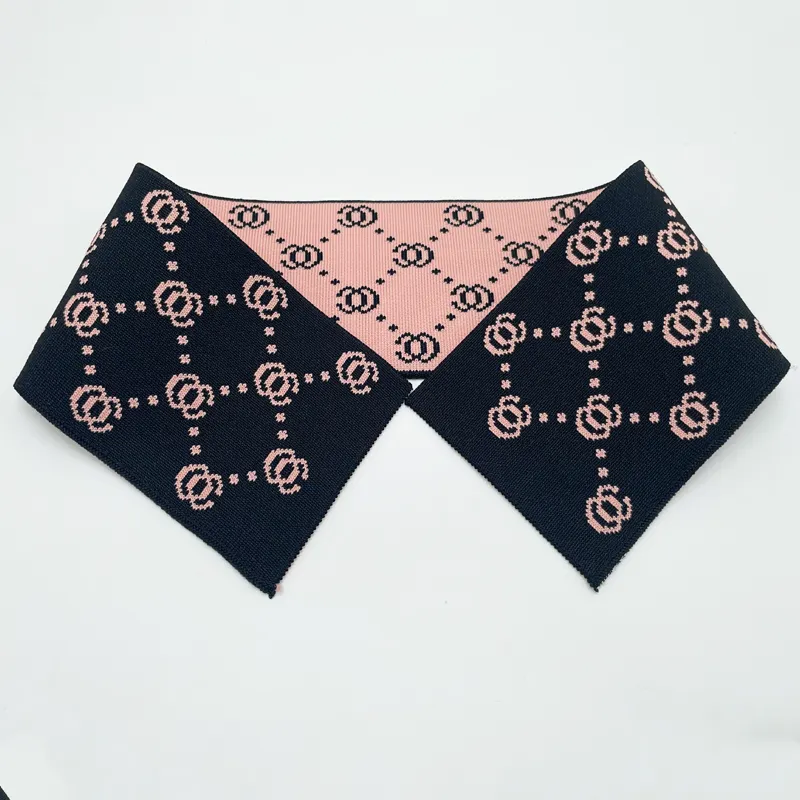
The Functional Power of Ribbed Fashion Elements
Structural Stability & Shape Retention
People love ribbed fashion items because they just don't fall apart so easily and keep their shape over time. What makes this possible? Well, ribbed fabrics have something called tensile strength that really helps clothes hold together even after getting washed dozens of times and worn constantly. We notice this most at stress points on our bodies like elbows and knees, spots where regular fabrics tend to get all stretched out and lose their fit. Studies point to the special way these ribs are knitted as the reason behind this durability. That's why we see ribbing used so much in tight fitting clothes from sweaters to leggings, where maintaining shape matters a lot for both comfort and appearance.
Enhanced Durability for Longevity
Ribbed fabrics tend to last much longer than other types of fabric in clothing. They're built to handle all sorts of wear and tear, so they don't get those annoying little pills or frayed edges after just a few washes. Most people love cotton blends when it comes to ribbed clothes because they hold up really well over time. Retail stores that stock lots of durable ribbed garments actually see fewer returns from customers, which makes sense since folks want their money's worth these days. That's why many brands now highlight ribbed materials as a selling point for clothes that look good for years instead of months.
Elastic Comfort in Movement
Ribbed fabrics really stand out because they stretch so well, giving clothes that close fit while still feeling comfortable against the skin. People love this kind of fabric for workout gear since it lets them move around freely without restriction. When someone exercises, these stretchy materials actually provide good support throughout all those movements. Most folks who shop for activewear tend to gravitate toward ribbed styles because they look good too, not just feel great. That combination of looking stylish and staying comfy explains why ribbed clothes have become such a common sight in gyms and sports stores across the country nowadays.
1x1 Rib Knitting: Versatility in Cuffs and Collars
The 1x1 rib knit pattern really shines when it comes to making things like cuffs and collars, giving clothes better fit while looking good too. What makes this technique so great is how the fabric stretches but still goes back to its original shape, something we all want in our clothes whether they need to be practical or just look nice. Looking at what's happening in stores these days, items made with 1x1 ribbing tend to sell better than others because people love that timeless look mixed with actual usefulness. We see this pattern working particularly well on parts of clothing where an exact fit matters most, think about those snug wristbands on sweaters or the close fit around necklines that stays put without feeling restrictive.
2x2 Rib Fabric: Heavy-Duty Applications
When talking about tough fabrics, 2x2 rib stands out as one of the strongest options around. That's why many people turn to it when making heavier items such as sweaters or jackets meant for winter wear. The double rib pattern does more than just hold up better over time though it actually looks pretty good too, which explains why we see it so much in cold weather gear. Manufacturers love putting these ribbed materials into activewear since they keep folks warm without sacrificing comfort levels during workouts or outdoor activities. Because it combines toughness with decent looks, this type of fabric has become standard issue for all sorts of gear worn in harsh conditions where clothes need to last long and still look presentable after getting beat up a bit.
Fine Rib vs. Flat Rib: Texture Variations
Fine rib fabrics give clothing that soft, elegant look we see so much in high end fashion collections. They work great when paired next to smoother materials because they add just enough texture without being overwhelming. On the flip side, flat rib fabrics have those straight, even lines that make them perfect for pieces needing some structure or shape retention. Looking at recent runway shows and catalog photos, it's clear that designers are playing around with both types of ribs to create interesting contrasts between different parts of outfits. This range of textures really helps creators hit multiple style notes at once. Someone might want something sophisticated yet simple, and ribbed fabrics let them do exactly that while still keeping things looking put together across various price points in the market.
Aesthetic Impact of Ribbed Textures in Design
Visual Depth in Minimalist Fashion
Adding ribbed textures to minimalist outfits gives them extra layers and dimension while still keeping things simple. Designers love using this technique because it draws attention to certain parts of garments, making clothes look more dynamic when someone walks by. People tend to notice and remember clothing with ribbed details even in the most basic designs. What makes ribbing so appealing? It adds depth without being too flashy, which is why so many fashion-forward individuals gravitate toward it. These textured elements help strike that tricky balance between clean lines and interesting visual elements that stand out just enough without screaming for attention.
Contrast Effects with Plain Cotton Fabric
When ribbed textures meet plain cotton fabric, they create something special in clothing design. The way these two materials work together really brings attention to their unique qualities. Fashion designers often mix ribbed sections with smooth fabrics to make bold statements in their collections. People tend to gravitate toward clothes where different textures come together nicely, because it adds depth and makes items look more interesting on store racks. We've seen this approach lead to some pretty cool creations lately. Many brands now incorporate this textural play into everyday wear, helping them catch eyes at markets and boutiques across the country.
Retro Revival in Modern Collections
Ribbed fabrics are making a comeback thanks to the current wave of retro fashion. Designers are bringing back those old school looks with ribbed sweaters, dresses, and even jeans appearing on runways everywhere. The texture itself just screams vintage vibes while still working well with today's trends. What makes ribbing so special? It creates that classic look without feeling outdated. Industry insiders say this isn't just a passing fad either. Major labels keep incorporating ribbed elements into their latest collections, showing they believe consumers will stay interested for some time. From street style to high fashion, ribbed garments manage to blend different decades seamlessly, which explains why shoppers keep reaching for them season after season.
Trend Forecasting: Ribbed Elements in Fashion Cycles
Peak Popularity in Athleisure Wear
Ribbed designs are now pretty much essential in athleisure wear, combining function with fashion for people who lead active lives. What makes these ribbed textures so popular? They offer good stretch without sacrificing looks, something athletes need when moving around all day. Market research shows folks are buying more clothes made with ribbed fabric because they find it comfortable and versatile enough to wear anywhere from gym sessions to coffee runs. Industry insiders think this trend isn't slowing down anytime soon either. With fitness culture becoming such a big part of daily life across different age groups, manufacturers keep finding new ways to incorporate ribbing into their collections. Whether someone wants something sporty for workouts or something casual yet put together for running errands, ribbed fabrics seem here to stay as long as people continue valuing clothes that work hard alongside them.
Sustainable Innovations in Ribbed Production
Sustainability has definitely made its mark on the fashion world, and we're seeing this change reflected right down to ribbed fabric production methods. New tech breakthroughs are making it possible to create ribbed textiles that actually care about the planet while still looking good on shelves. Market research shows people want these greener options more than ever before, with shoppers increasingly picking out clothes based on what's better for the environment. Brands that start weaving sustainable ribbed fabrics into their collections tend to see real benefits too - customers stick around longer and think better of them overall. With climate concerns becoming harder to ignore day by day, it seems pretty clear that going green in ribbed fashion manufacturing won't just be a passing fad but something most companies will need to get on board with sooner rather than later.
Adapting Ribbed Styles for Future Seasons
Looking ahead, ribbed fashion elements seem set to change as new colors and patterns start showing up that match what people want season after season. Designers are playing around with different textures and ways of creating ribs, making the whole fashion scene much more interesting for upcoming collections. What drives all this? Well, customers keep giving feedback through social media and shopping habits, telling us what works and what doesn't when it comes to ribbed styles. Brands that pay attention to this tend to stay relevant longer. Ribbed designs actually fit right into today's fashion world while still having potential to last through multiple seasons without getting outdated. For companies wanting to grab market share in the coming years, staying flexible with how they incorporate ribbed fabrics seems absolutely essential if they want to keep customers coming back for more.