 EN
EN

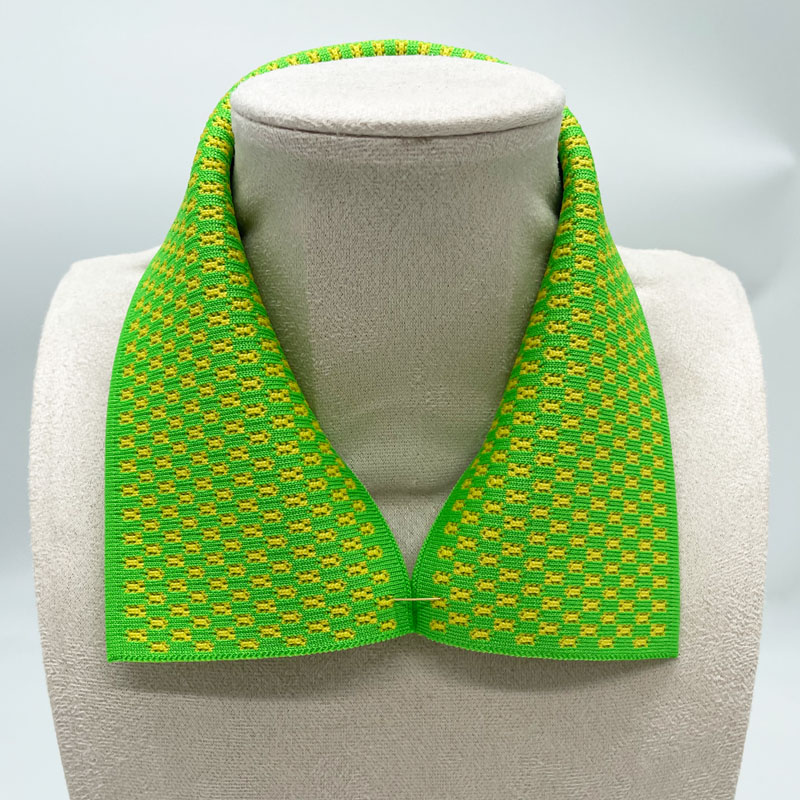
Functional Excellence of Stripe Rib in High-Performance Trims
Precision Fit and Recovery: How 1—1 and 2—1 Stripe Rib Constructions Enhance Cuffs, Collars, and Waistbands
What makes stripe rib so special? Its knitting pattern actually forms compression areas that follow the body's curves really well. The basic 1x1 setup where knit and purl stitches alternate gives just the right amount of stretch across while keeping things stable vertically. That helps keep cuffs and collars looking good even when moving around all day. Now compare that to 2x1 ribbing which has two knit stitches for every purl stitch. This version stretches more across directions by about 20 to 30 percent, which works great for waistbands that need to give a bit as people bend and twist. Because of how these structures work, clothes made with this technique bounce back to their original shape about 98 times out of 100 after being stretched repeatedly. They also hold their shape through at least fifty wash cycles, something regular jersey trims just can't match according to recent tests (Textile Performance Report 2023). So basically, we get activewear that stays close fitting but still lets people move naturally without losing its shape over time.
Durability Under Stress: Stretch Retention and Seam Integrity in Dynamic Trim Zones
Fabric elasticity tends to break down the most in areas that experience repeated stretching movements, like sleeve edges, knee sections, and those tricky underarm seams. The newer stripe rib materials with around 15 to maybe 18 percent spandex inside can hold onto about 92% of their stretchiness even after going through over 200 stretch cycles. That's actually pretty impressive compared to regular knits which only manage about 61% retention according to some research published last year in Textile Science Journal. Manufacturers are also using triple needle stitching methods these days to strengthen those seams, cutting down on edge curl problems by roughly 80% when they run their usual washing tests. Testing has shown something interesting too - when fabric gets rubbed against things like backpack straps or equipment during normal wear, the reinforced 2x1 rib construction creates about half as much pilling as basic single knit options do. All these characteristics explain why stripe rib fabric has become so essential for activewear waistbands that constantly get stretched and pulled. Regular trim materials usually start showing signs of wear within just 25 wears according to industry standards for durability.
Stripe Rib as a Signature Trend Driver in Contemporary Apparel Design
Color-Contrast Styling: Elevating Minimalist Silhouettes with Bold or Subtle Stripe Rib Accents
The stripe rib technique brings life to simple clothing items by playing with colors in smart ways. Fashion creators work with different patterns like the 1x1 and 2x2 methods to highlight areas such as collar edges, wristbands, and bottom hems without messing up the overall sleek look. Imagine a bright red stripe running along a black hoodie – it immediately draws attention to itself. Even subtler options exist too, like dark gray stripes against black fabric which still manages to look classy just because of the texture difference. Brands are really getting into this trend these days since people want clothes they can wear multiple times and in various situations. According to recent stats from Textile Innovation Forum, about seven out of ten companies have started including some form of ribbed detail in their main product lines. Where designers place these stripes matters a lot though. They need to make sure the garment looks good but remains comfortable and fits properly when worn.
Texture + Pattern Synergy: Why Stripe Rib Delivers Dual-Aesthetic Impact—Decorative and Dimensional
Stripe rib goes way beyond just color choices by combining texture with repeating patterns that actually feel good against skin. The little bumps on these fabrics reflect light in ways regular knitting doesn't, creating shadows that make clothes look more three dimensional and give them better shape definition. Printed stripes can't compete because they stay flat while ribbed fabric moves with the body. Take waistbands for instance they tighten up nicely but still keep their form throughout the day. People today want clothing that looks interesting visually but also feels substantial when worn. And since ribbed materials naturally bounce back after stretching, decorative ribs stand up to all sorts of daily activities without losing their shape. So even though it sounds fancy, this kind of design actually works really well in practice too.
Innovations Shaping the Future of Stripe Rib Trims
Sustainable Stripe Rib: Recycled Polyester, Tencel™, and Low-Impact Dyeing Advancements
Sustainability changes in the textile world are really changing what stripe rib fabric can do. There are three main things happening right now. First off, recycled polyester takes old plastic bottles and turns them into great quality trims for clothing. This cuts down on landfill trash by about 30% compared to regular synthetic materials. Then we have Tencel™ lyocell made from wood pulp that's been responsibly sourced. It wicks away moisture better than most fabrics, breaks down naturally when discarded, and has half the carbon impact of traditional cotton mixes. And finally there's this new dyeing process that uses way less water—around 70% less actually—and gets rid of those nasty heavy metals that used to pollute the environment during manufacturing. All together, these improvements mean stripe rib keeps all its good qualities like strong structure, bright colors, and excellent function for parts like collars, cuffs, and waistbands. Plus it meets all sorts of international green standards such as GOTS certification and OEKO-TEX® Standard 100 requirements too.
FAQ
What are the advantages of using 1x1 and 2x1 stripe rib constructions?
1x1 stripe rib provides a stable fit and maintains shape, making it ideal for cuffs and collars. The 2x1 stripe rib offers more stretch horizontally and is well-suited for waistbands as it allows movement without losing form.
How does stripe rib fabric compare in terms of durability?
Stripe rib fabrics are highly durable. They maintain their shape through numerous wash cycles and offer significant stretch retention, which is more impressive compared to regular knit fabrics.
Why is stripe rib becoming a trend in apparel design?
Stripe rib elevates minimalist designs with color-contrast accents and adds texture and pattern synergy to garments. This dual aesthetic impact makes clothes visually appealing and comfortable to wear.
How does stripe rib contribute to sustainability?
Sustainable stripe rib uses recycled materials, such as polyester from plastic bottles, and employs eco-friendly dyeing processes. These innovations reduce environmental impact while maintaining high-quality fabric standards.