 EN
EN

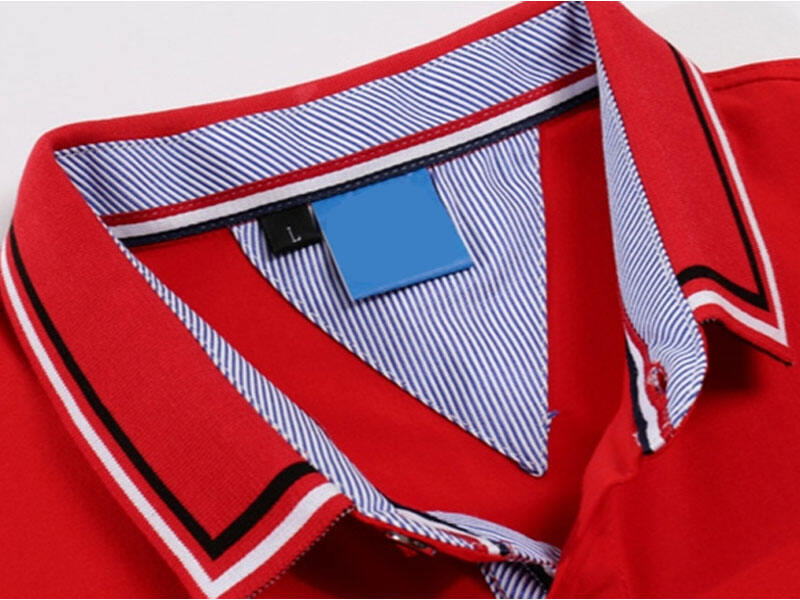
How Collar Cuff Rib Accelerates Fast-Proofing in Garment Manufacturing
Rising Demand for Rapid Turnaround in Apparel Manufacturing
Apparel brands now face 42% shorter production lead times compared to 2020 (Ponemon 2023), driven by fast-fashion cycles and on-demand consumer expectations. This pressure has made collar cuff rib components critical for streamlining sampling – unlike woven alternatives, rib knit fabrics enable immediate pattern adjustments without re-tooling entire production lines.
How Rib Knit Fabric Enables Fast-Proofing Processes
What makes 1x1 rib knit fabric so special is its ability to bounce back after stretching anywhere from 80 to 100 percent without losing its basic structure. This property lets clothing designers actually try out collar and cuff designs under normal wear conditions before finalizing them. According to recent studies on textiles, these rib knits hold their shape really well too. After being stretched over fifty times, they retain around 92% of their original form. That's actually 32 percentage points better than regular jersey knits manage. The difference means companies can cut down on those endless rounds of sample testing that usually take forever to get right when ensuring proper fit.
Case Study: Fast-Track Production Using Pre-Cut 1x1 Rib Collars
A sportswear manufacturer reduced sampling time by 50% using pre-cut rib collar components with laser-cut edges. This approach allowed immediate sewing into mockups while maintaining <2% edge fraying crucial for meeting 72-hour prototype deadlines.
Integrating Elastic Rib Components into On-Demand Fashion Models
Leading manufacturers now embed spandex-rich rib cuffs directly into digital patterns, enabling instant scaling across sizes. This integration supports AI-driven production models where collar cuff elasticity parameters automatically adjust based on real-time fit data from virtual try-on platforms.
Core Properties of Rib Knit: Elasticity and Fit for Collar Cuff Performance
Understanding Cotton Spandex Rib Knit: Stretch and Fit in Modern Apparel
Cotton-spandex rib knits combine natural breathability with engineered elasticity, achieving 40–50% crosswise stretch while maintaining vertical stability. The alternating knit-purl structure creates multidirectional flexibility critical for collar and cuff applications. This hybrid composition allows necklines to retain tension through 200+ wear cycles without deformation.
How Spandex Content Influences Rib Fabric Elasticity
Spandex integration (typically 5–10%) directly impacts elasticity-to-durability ratios:
| Spandex % | Stretch Capacity | Recovery Rate | Common Application |
|---|---|---|---|
| 5% | 35% | 89% | Lightweight t-shirt collars |
| 8% | 45% | 93% | Performancewear cuffs |
| 10% | 50% | 95% | Compression sportswear |
Higher spandex blends reduce edge curling in collar bands by 18% according to circular knitting trials, though require precise thermal processing during fusing operations.
Measuring Stretch in Rib Knits for Shirt and Collar Longevity
When put through the standard ASTM D2594 test, cotton-spandex rib fabric holds about 40% of its stretchiness even after being stretched 200 times, whereas pique knit only keeps around 22%. The industry has noticed something interesting from these tests too. Garments made with rib fabric tend to last about 30% longer overall because they handle wear better. Think about those areas where clothes get rubbed the most, like jacket cuffs or anywhere else that gets constant friction against surfaces. Rib components there can take nearly twice as much abrasion before showing signs of wear. Because of this, many manufacturers have started setting their tolerance levels for tension at around 20%, give or take 5%, when assembling collars. This helps them balance things out between how fast they can produce items and making sure what gets shipped actually lasts long enough for customers.
Optimizing 1x1 vs. 2x2 Rib Knit Patterns for Collar and Cuff Applications
Defining 1x1 Rib Construction: Structure and Characteristics
A 1x1 rib knit pattern switches between knit and purl stitches going up and down, which makes the fabric stretch about 40 to 50% horizontally and bounce back almost completely after being stretched 100 times. The ridges created by this technique work really well for places where fabric touches skin directly, such as on turtleneck collars. When worn around the neck area, the elastic properties stop the garment from drooping over time. What's great about this material is how it stretches both ways, so it moves comfortably with body motion but still keeps its original shape even after multiple washes in the machine.
2x2 Rib Builds: Structural Integrity and Aesthetic Profile
The 2x2 rib stitch works by alternating knit and purl stitches in pairs, which gives it much better shape retention compared to regular 1x1 ribbing. We're talking about roughly 25 to 30 percent less stretching overall. What makes this pattern stand out is its thicker construction measuring between 1.4 and 1.8 millimeters thick. This extra bulk helps prevent things from getting all stretched out when used in areas where structure matters most, think about those stiff collar parts on blazers or dress shirts. When manufacturers tested how these fabrics hold up over time, they found something interesting. After going through fifty full washing cycles, 2x2 rib still kept about 87% of its original tightness while standard 1x1 rib only managed around 79%. That kind of durability makes a real difference for people who want their jackets to look good without constant ironing or adjustments.
Comparing 1x1 and 2x2 Patterns for Neckline and Sleeve Applications
| Feature | 1x1 Rib Knit | 2x2 Rib Knit |
|---|---|---|
| Stitch Density | 18–22 stitches/inch | 12–15 stitches/inch |
| Recovery Rate | 92% after 50 washes | 82% after 50 washes |
| Common Use Cases | Athletic cuffs, slim collars | Heavy sweaters, formalwear |
Data from Textile Engineering Benchmarks shows 1x1's tight stitch spacing reduces fiber migration during laundering by 63% compared to 2x2 configurations.
Best Rib Materials for Shoulder Cuffs by Industrial Application
When making shoulder cuffs that need to bend but still hold their shape, most manufacturers turn to cotton-spandex blends with around 95% cotton and 5% spandex. The numbers back this up too. Some recent tests showed that tubular 1x1 ribbing cuts down on collar roll-up problems by almost 60% during mass production runs. Meanwhile, those 2x2 versions with nylon running through them last about 30% longer in heavy-duty work clothes. Smart factories tend to stick with 1x1 construction where extra stretch matters most, like around necklines or underarms. For areas that take more punishment though, they switch to 2x2 patterns because the stronger weave stands up better to daily wear and tear without losing its integrity.
Ensuring Durability in High-Speed Collar Cuff Production
Linking Rib Fabric Longevity to Garment Lifecycle
The lifespan of collar cuff components directly correlates with garment durability. Rib knit fabrics with optimized cotton-spandex blends (typically 95%/5% ratios) maintain structural integrity through 50+ wash cycles by resisting fiber breakdown. This elasticity preservation ensures collars retain shape alignment with necklines, while cuffs withstand repeated stretching during wear.
Data Insight: 30% Longer Wear Life with High-Elasticity Rib Components
A 2023 Textile Durability Report found garments using 40-denier spandex rib knits showed 30% less edge curling after six months of daily wear compared to standard blends. The study tracked 1,200 collar cuff units across three climatic zones, confirming high-elasticity materials reduce seam stress by 18% in high-movement areas.
Balancing Speed and Quality in Continuous Fusing Machines
Fusing systems that run around 1,200 pieces per hour need really careful temperature management to properly attach interfacing materials without messing up the rib knit's ability to bounce back. The latest research from Apparel Engineering in 2024 shows something interesting about this. Machines equipped with artificial intelligence for adjusting temperatures consistently create bonds about 99.9% of the time, and they manage to keep the fabric stretchiness intact too. This matters a lot for those tight 1x1 rib collar constructions where there's only about a 2% margin for error in stretching. Factories have reported cutting down on wasted product by roughly 40% since implementing these smart heating systems, which makes sense given how fast-paced garment manufacturing has become lately.
FAQ
How does rib knit fabric enable faster garment production?
Rib knit fabric, especially 1x1 rib knit, offers significant flexibility and recovery properties, allowing quick adjustments in pattern designs without re-tooling the production line, which speeds up sampling and production processes.
What are the benefits of using spandex in rib knit fabrics?
Spandex increases the elasticity-to-durability ratio in rib knit fabrics, enhancing stretch capacity and recovery rate, making them suitable for applications requiring high-performance durability like athletic cuffs and compression sportswear.
How do 1x1 and 2x2 rib knit patterns compare for garment production?
The 1x1 rib knit pattern provides superior flexibility and recovery rate, making it ideal for applications like athletic cuffs, while 2x2 rib knit offers enhanced durability and aesthetic bulk, perfect for formalwear applications needing structural integrity.
What role does AI play in rib knit fabric production?
AI optimizes temperature management in fusing systems during rib knit production, ensuring consistent bonding without compromising the fabric's elasticity, reducing product waste and improving quality control in fast-paced manufacturing environments.