 EN
EN

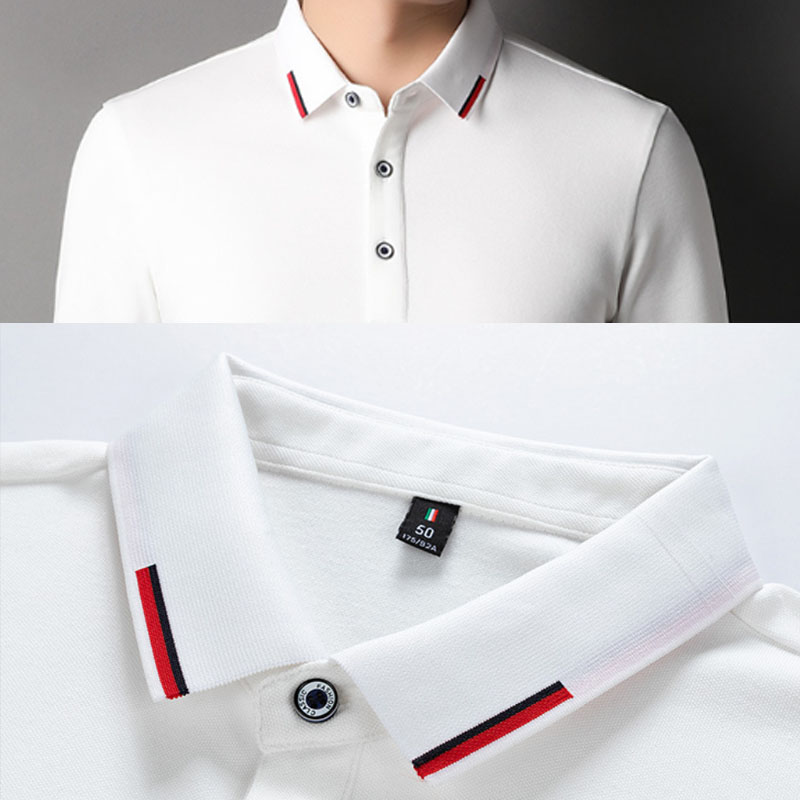
Rib Collar Performance: Elasticity, Recovery, and Shape Retention
Quantifying stretch-recovery hysteresis in premium rib collars (ASTM D4964–22 data)
High quality rib collars stretch really well because of how the fibers work together and the way they're knitted. According to the ASTM D4964-22 standard which measures how elastic materials behave when stretched, the best collars lose no more than 12% of their energy when stretched halfway. This means they bounce back almost completely after being stretched, so they don't get permanently stretched out, droop down, or distort the neckline shape over time. When looking at what makes these collars stand out from others, several factors become apparent during actual wear and testing conditions.
- Elastic modulus: 0.5–1.2 GPa in high-grade cotton-spandex blends
- Recovery rate: >92% within 60 seconds
- Cyclic durability: ≥88% efficiency retained after 5,000 tension cycles
Collars exceeding 25% hysteresis—common in budget constructions—fail to rebound consistently, accelerating fatigue and fit degradation.
Why >95% shape retention after 20 wash cycles defines high-grade rib collar performance
The lasting quality of clothing really comes down to how well it holds up through washing. According to the AATCC TM150-2023 tests, top quality rib collars keep over 95% of their original shape even after going through 20 standard wash cycles. This kind of performance has been shown to match up pretty closely with how these collars actually last for around 18 months when people wear them day to day. What makes this possible? Three main design elements work together: first, proper encapsulation of elastane fibers protects the spandex from damage by chlorine and heat. Second, the rib construction uses an interlock pattern that helps prevent twisting during spin cycles. Third, they use dyes that stay colorfast without requiring harsh agitation processes. When collars fall below 90% shape retention, problems start showing up much sooner. After only about eight washes, we often see things like rippling fabric, curling edges, or inconsistent tension across the collar area. These are early warning signs that the structure is beginning to break down.
Rib Collar Structure: How 1x1 vs. 2x2 Rib Knit Determines Fit and Function
2x2 rib for stability: Lateral support in turtlenecks and structured silhouettes
The 2x2 rib knit pattern, which alternates between two knit stitches and two purl stitches, creates a much denser fabric that doesn't stretch as much horizontally about 15 to 25 percent at most. This stiffness is actually a good thing for certain garments. Turtlenecks, crewneck jackets, and heavy sweaters benefit from this because they need to keep their shape better than they need to stretch all over the place. When people move around or wash these items, the fabric resists twisting so collars stay aligned and don't develop that annoying twist creep effect everyone hates. Lab tests have shown that this rib structure can bounce back over 90% of its original tension even after being stretched multiple times. That's why manufacturers often choose 2x2 rib for products where both durability and maintaining proper shape are really important factors.
1x1 rib for drape: Seamless contouring in bodycon and minimalist neckbands
The 1x1 rib pattern works by alternating between knit and purl stitches down the vertical axis, which gives fabric around 40 to 50 percent stretch in both directions plus a nice draping quality. Because of its finer gauge and how evenly the tension spreads out, this type of knitting hugs complicated shapes such as collarbones and jawlines really well without creating gaps or feeling too tight anywhere. That's why designers love using it for things like bodycon dresses, sports bras, and those thin neckbands that need to move with the body but still stay put all day long. When made properly, these bands maintain their shape through hours of wearing thanks to the dense stitching that keeps everything balanced across the whole piece, so there aren't any annoying pressure spots developing over time either.
Rib Collar Materials: Cotton-Elastane Blends and Sustainable Alternatives
Optimal elastane ratio (3–5%) and its impact on torque resistance and comfort
Tests involving real-world wear and multiple laundry sessions show that adding between 3 and 5 percent elastane to cotton blend rib collars marks where performance really takes off. When mixed at this level, the fabric resists twisting and rolling much better than regular cotton does, cutting down on those annoying distortions while still letting air circulate properly. Most people find tightness around the neck uncomfortable, something 78 out of 100 participants mentioned in separate fitting tests. If we go below 3 percent elastane though, the material just doesn't bounce back after being stretched repeatedly, causing wrinkles and misshapes sooner than expected. Going over 5 percent creates problems too, since the fabric becomes too stiff against the skin, making comfort ratings plunge by about 32 points according to test results. Finding this sweet spot means collars keep their original look through dozens of washes yet stay flexible enough to move comfortably with whatever neck size they're worn on, striking that tricky balance between lasting quality and everyday comfort.
Rib Collar Durability: Abrasion Resistance, Pilling Control, and Long-Term Wash Performance
The durability of rib collars really depends on three main factors working together: how well they resist abrasion, their ability to prevent pilling, and how they hold up through repeated washing. Tests using the Martindale method show that top quality rib knits can handle over 12,000 rubbing cycles before showing any real wear signs, which is about 42 percent better than regular cotton knits. This comes down to the tight arrangement of the yarns and those horizontal ribs that actually help spread out friction forces. When it comes to pilling issues, fabrics with higher density constructions around 20 courses per centimeter or more reach Grade 4.5 according to ISO standards, effectively trapping loose fibers and reducing surface fuzz by roughly 72% compared to what we see in standard knitting techniques. What matters most though is how these collars perform during industrial laundry tests. Advanced designs maintain about 89% of their original stretchiness even after going through 500 plus wash cycles, beating standard options by nearly 233% when looking at how long they stay functional. All these numbers mean something real for consumers too: clothes that keep fitting properly longer, fewer replacements needed, and generally happier customers throughout the life of their garments.
FAQ Section
Why is the elastane ratio important in rib collars?
The elastane ratio in rib collars is crucial because it impacts how well the collar resists twisting and retains its shape. An optimal ratio between 3-5% ensures both comfort and durability.
How does wash cycle performance affect rib collar quality?
Wash cycle performance is a key indicator of quality as it determines how well a collar maintains its shape and elasticity through repeated laundering. High-grade collars retain over 95% shape after 20 washes.
What are the advantages of 2x2 rib knit patterns?
2x2 rib knit patterns provide superior stability and support, making them ideal for structured garments like turtlenecks and heavy sweaters. They resist twisting and maintain shape better than other configurations.
Why choose cotton-elastane blends for rib collars?
Cotton-elastane blends offer a balance of comfort and durability. Elastane enhances the collar's ability to return to its original shape after stretching, while cotton ensures breathability.
Table of Contents
- Rib Collar Performance: Elasticity, Recovery, and Shape Retention
- Rib Collar Structure: How 1x1 vs. 2x2 Rib Knit Determines Fit and Function
- Rib Collar Materials: Cotton-Elastane Blends and Sustainable Alternatives
- Rib Collar Durability: Abrasion Resistance, Pilling Control, and Long-Term Wash Performance
- FAQ Section