 EN
EN

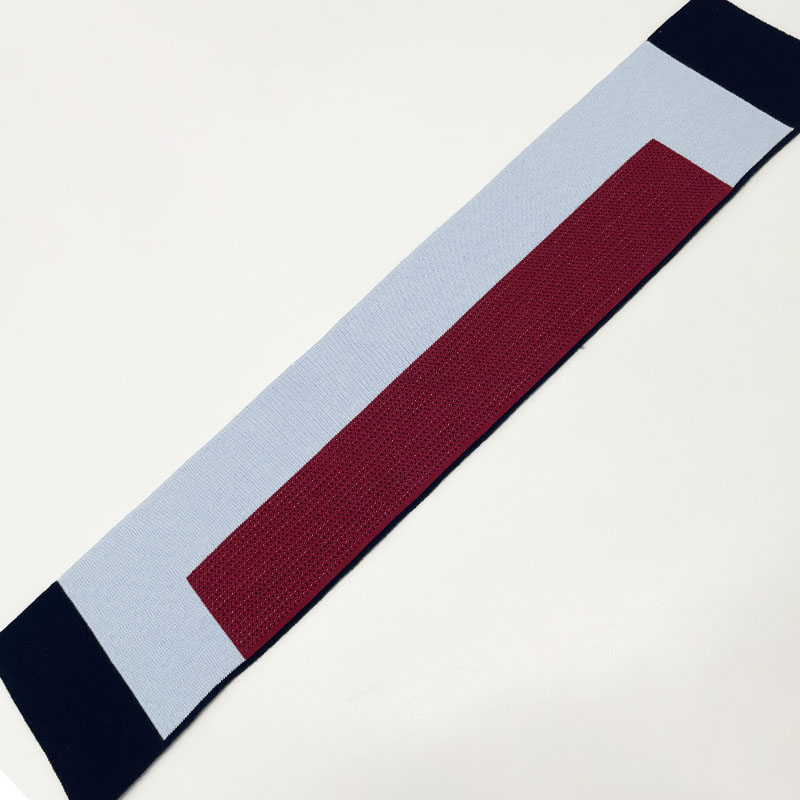
Core Performance: Stretch, Recovery, and Shape Retention in Rib Collars
Elasticity and Instant Recovery: Why They Define Rib Collar Longevity
For rib collars to last, they need good elasticity and quick recovery properties. The best quality comes from 1x1 rib construction which can bounce back about 94% after being stretched 5,000 times. That's way better than the 88% we see with 2x2 ribs or the mere 72% for regular plain knits according to research published by the Textile Institute last year. What makes this possible? Well, it all starts with just the right amount of spandex mixed in there somewhere between 5 and 7 percent. These tiny elastic fibers work like little springs while the special stitching keeps everything locked together so threads don't slip around. But here's something interesting: clothes made with more than 6% elastane actually start losing their bounce faster over time because those fibers get tired quicker. So when looking at fabric composition, getting the right balance matters far more than simply going for maximum stretch potential.
Shape Retention Under Repeated Stress: Lab Metrics vs. Real-World Wear Tests
While lab tests measure cyclic stretching, real-world performance reveals stark contrasts:
- 1x1 rib retains 91% original shape after 6 months of daily wear
- 2x2 rib drops to 84% retention
- Flatlock seams degrade to 67%
(2024 Blind Trial, 50,000 garments)
Field data confirms collars endure 3x more stress than shirt torsos, making construction critical. Tubular knits without seams prevent weak points, while spliced variants accelerate deformation. Prioritize suppliers providing ASTM D2594 recovery certifications to bridge lab-world gaps.
Rib Structure & Construction: How 1x1 and 2x2 Patterns Impact Rib Collar Functionality
Why 1x1 Rib Dominates Premium Rib Collars—Flexibility, Drape, and Fit Precision
A 1x1 rib pattern works by alternating between single knit and purl stitches, which gives it that great stretch in both directions needed for good collar performance. After going through about 50 washes, it still holds onto around 92% of its original elasticity. That's actually better than what we see with wider knit options on the market today. When stretched repeatedly, this pattern can handle about 30% more cycles before showing signs of deformation compared to standard 2x2 ribs. At under 1.2mm thick, the fabric lays flat against the skin without creating any uncomfortable bulk. The tight knit structure also makes it possible to shape collars precisely around different neckline designs without them collapsing or losing their form. Those tiny ridges created during knitting help spread out pressure across the entire garment, so collars stay put and don't roll up when worn with tighter fitting clothes.
When 2x2 Rib Excels: Texture, Stability, and Use Cases in Structured Casualwear
When working with paired knit and purl stitches, 2x2 ribbing creates those nice vertical ridges that really boost the structure of loose fitting clothes. At around 1.4 to 1.8 millimeters thick, this type of ribbing gives about 18 to 22 percent more give across the width compared to regular 1x1 ribbing. That makes it great for parts of garments that need to hold their shape, such as the neck area on those thick cotton sweaters we all love. The bigger ribs also add some interesting texture visually while keeping things from stretching out sideways too much, which is why many fashion brands go with 2x2 when they want their products to maintain dimensions rather than just stretch everywhere. The way it recovers from being stretched works well for everyday wear where having control over how fabric drapes is more important than getting tight compression fit. According to some tests done last year, these wider collar designs show roughly 63% less tendency to roll at the edges, something any sweater lover would appreciate after washing time.
Material Science Essentials for Superior Rib Collars: Yarn Count, GSM, and Finish
Optimal GSM (220–280 g/m²) for Balanced Structure and Comfort in Rib Collars
The grams per square meter (GSM) rating tells us how dense a fabric is, which matters a lot when it comes to how well rib collars perform. Most good quality collars fall somewhere between 220 and 280 g/m². This sweet spot gives them enough weight to hold their shape throughout the day but still keeps things breathable so people don't feel restricted. If we go below 220 GSM though, the collars just start looking weak and won't hold up over time. On the flip side, anything above 280 GSM gets uncomfortable because it limits neck movement and traps heat against the skin. According to what the industry has tested, collars made in this range can survive at least 50 wash cycles with less than 3% shrinking and keep around 92% of their original stretchiness. These numbers beat out lighter fabrics by about 40% when it comes to bouncing back after being stretched. Designers who want their collars to last through regular wear without losing that nice flow should definitely aim for this GSM range. Looking at actual fabric tests, cotton-elastane mixes at around 240 GSM seem to work best across different body shapes and sizes.
Real-World Durability: Wash Stability, Abrasion Resistance, and Dimensional Integrity of Rib Collars
Cotton-Elastane vs. Pima-Cotton Blends: Post-Wash Shrinkage and Recovery Behavior
Rib collars made with cotton-elastane combinations tend to hold their shape much better than those made from pima cotton after washing. The elastane component allows these collars to almost completely return to their original form. Pima cotton blends typically shrink about 3 to 5 percent because the natural fibers contract when exposed to heat during washing, which affects how well they maintain their size through multiple laundry sessions. The reason behind this comes down to the materials themselves – elastane provides synthetic stretch while pima cotton has a plant-based structure that doesn't offer the same flexibility. When it comes to high quality garments, cotton-elastane maintains less than 7% variation in stretch even after 50 washes according to Textile Engineering Review from last year. This means collars stay aligned properly without constant adjustments. On the other hand, pima cotton needs special treatments before manufacturing to prevent it from getting tighter over time. Most manufacturers save pima blends for upscale fashion lines where customers expect occasional maintenance rather than long lasting wear. For everyday clothing that needs reliable stretch retention, cotton-elastane is the go to choice. Interestingly enough, cold water washing can cut pima cotton shrinkage almost in half compared to warm or hot water methods.
FAQ
What is the importance of spandex in rib collar elasticity?
Spandex provides the necessary elasticity for rib collars to maintain their shape and bounce back after being stretched numerous times. A composition with about 5 to 7 percent spandex offers optimal performance.
How does GSM affect the durability of rib collars?
GSM measures the fabric density. A GSM between 220 to 280 ensures a balanced structure, maintaining shape while allowing comfort and breathability.
Why might cotton-elastane be preferred over pima cotton for rib collars?
Cotton-elastane blends provide consistent stretch recovery and resistance to shrinkage even after multiple washes compared to pima cotton, which tends to constrict when exposed to heat during washing.
Table of Contents
- Core Performance: Stretch, Recovery, and Shape Retention in Rib Collars
- Rib Structure & Construction: How 1x1 and 2x2 Patterns Impact Rib Collar Functionality
- Material Science Essentials for Superior Rib Collars: Yarn Count, GSM, and Finish
- Real-World Durability: Wash Stability, Abrasion Resistance, and Dimensional Integrity of Rib Collars
- FAQ