 EN
EN

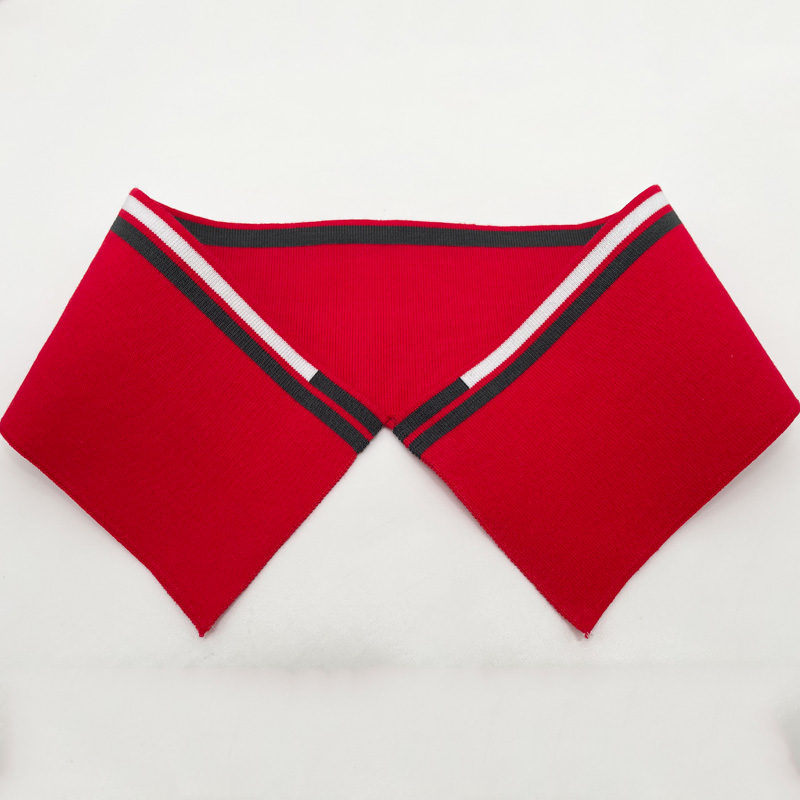
Webbing as a Signature Design Element: Beyond Function to Fashion Statement
From utility strap to intentional aesthetic feature
Webbing used to be just for holding things together or reinforcing seams, but these days it plays a much bigger role in how brands tell their stories through design decisions. Fashion designers are taking something so practical and making it stand out visually. Think about those contrasting widths on athleisure hoodies that give them that streetwear vibe, or the smooth satin finish on evening bag straps that whispers luxury without shouting it. What we're seeing here is part of a larger trend across the industry where what was once purely functional becomes part of a brand's personality. These structural elements now start conversations among shoppers who care about real stuff, not just looks. They want products that feel authentic and meaningful beyond their basic function.
How webbing shapes silhouette, movement, and tactile perception
How clothes are put together makes all the difference in their overall look and feel. Take those diagonal chest straps we see on jackets these days they really help define the shape of the body underneath. And those stretchy waistbands? They let people move around freely without feeling restricted or bulky. When it comes to materials, what we touch matters a lot. Jute fabric gives that rough, earthy feel compared to super smooth synthetic stuff, and that 18mm thick nylon actually bends and moves as someone walks or runs. All these little details turn regular clothing into something that responds to movement and touch. People notice when a garment feels good against their skin, which is why brands spend so much time getting these textures right for everyday wear.
Key Customization Parameters That Drive Style Impact: Color, Width, Weave, and Material
Strategic selection: Matching webbing specs to garment function and seasonal identity
The way specs are chosen can turn basic parts into real design statements. When it comes to colors, what we pick really matters for seasons. Earthy shades work great for fall stuff, anchoring those autumn collections, but bright colors bring energy to summer lines. The width makes a difference too. A thin 12mm matte polyester strap gives just enough support without being obvious on light jackets. Meanwhile, thicker 25mm reflective nylon stands out on gear meant for tough conditions. How fabric is woven changes things as well. Tight weaving stops fraying where clothes get worn down, while looser patterns let movement happen better around elbows and knees. Materials matter a lot too. Polyester holds up against fading when exposed to sunlight, which is why it shows up so much in outdoor wear. Nylon handles sweat well, making it popular in workout clothing. Getting these details right means the difference between mass produced items and pieces that feel thoughtfully designed for their purpose.
Webbing as Embedded Branding Medium: Jacquard, Embossing, and Print Techniques
Jacquard-woven logos and patterns: permanence, precision, and premium perception
When it comes to branding textiles, Jacquard weaving actually weaves company logos right into the fabric itself during manufacturing, so these designs last much longer without fading or peeling away. Surface printing just can't compete with this method because woven patterns stay crisp even after lots of handling and multiple washes. And get this – manufacturers can replicate details smaller than 2 millimeters in size! According to Textile Intelligence data from last year, luxury brands see about 68% more value perception when they go with woven branding over printed alternatives. There's something about having that logo physically part of the material that screams quality workmanship to discerning customers.
Balancing subtlety and recognition: when minimal branding strengthens rather than obscures identity
Tone-on-tone embossing elevates webbing through tactile rather than visual differentiation. A 2023 Apparel Branding Study revealed products with textured logos prompted 40% longer consumer engagement versus overt branding. This strategy reinforces identity through:
- Shadow-play contours that reveal logos in specific lighting
- Selective micro-embossing at pattern intersections
- Sub-0.3mm depth variations undetectable in product photography
Such refinement allows technical garments to maintain clean aesthetics while embedding recognizable signatures at friction points where users interact most.
Why Webbing Customization Is a High-ROI Lever for B2B Apparel Partnerships
When companies customize webbing instead of just using standard parts, they turn ordinary components into powerful brand features that give them way more bang for their buck than expected. Full garment redesigns take forever to develop and cost a fortune to retool, but changing webbing details can be done quickly without messing up regular production schedules. Brands love this because it means they can catch up with fashion trends or local tastes much faster. According to McKinsey's latest report on apparel innovation from 2023, this approach cuts down time to market by around 40%. And the numbers don't stop there. Adding special jacquard designs or unique colors to existing webbing usually only adds about 5 to 8 percent to production costs, but makes products seem worth 30% more to customers looking at price tags. People start seeing these subtle changes as higher quality, which lets companies charge more money and cut back on sales. From an operations standpoint, having standard procedures for webbing customization helps keep things consistent all over the world, something that regular trim suppliers struggle with. When businesses work together, this reliability creates trust and opens doors for creative collaboration. Brands get special design touches nobody else has, while manufacturers lock in long term deals by offering something extra valuable. All told, smart webbing customization pays off in multiple ways: less hassle running operations, stronger brand recognition, and actual profit growth without needing major changes to how factories operate day to day.
FAQ
-
What is the role of webbing in fashion design?
Webbing serves as both a function and design element, providing structural support while enhancing a brand's aesthetic appeal. -
How does webbing customization benefit apparel brands?
Customization allows for faster market adaptation, increases perceived product value, and boosts ROI due to minimal production cost changes. -
What techniques enhance webbing's branding potential?
Jacquard weaving, embossing, and selective micro-embossing are effective techniques that integrate branding without overshadowing the overall garment design. -
Why is textile texture significant in apparel design?
The texture of textiles interacts with the skin and influences the comfort, movement, and perceived quality of garments, making it integral to satisfying consumer preferences.
Table of Contents
- Webbing as a Signature Design Element: Beyond Function to Fashion Statement
- Key Customization Parameters That Drive Style Impact: Color, Width, Weave, and Material
- Webbing as Embedded Branding Medium: Jacquard, Embossing, and Print Techniques
- Why Webbing Customization Is a High-ROI Lever for B2B Apparel Partnerships