 EN
EN

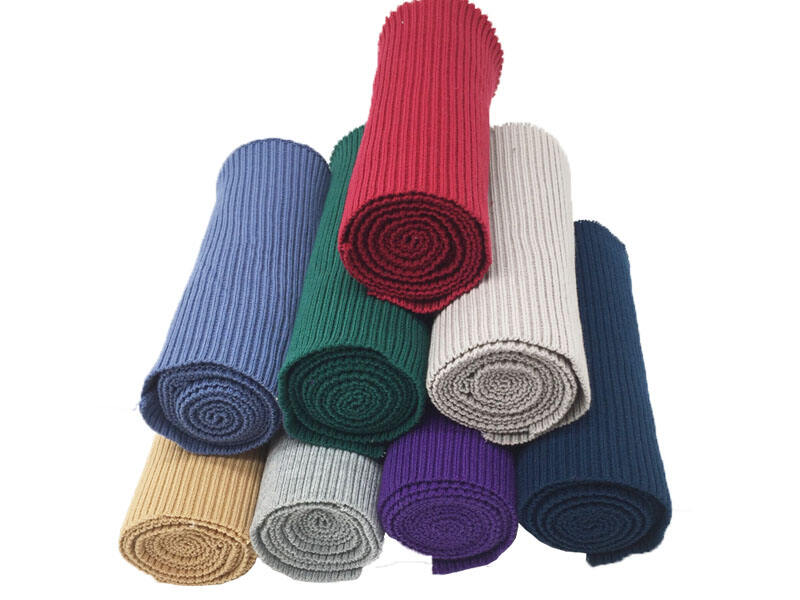
How Clothing Rib Enhances Durability in High-Stress Areas
Understanding Ribbing for Garment Durability
The ribbed fabric design adds strength to areas that get worn down quickly because of those vertical ridges that basically serve as built-in support structures. When we look at how these interlocking patterns work, they actually spread out the stress across multiple yarns instead of letting it concentrate on just one spot. That makes all the difference in places like shirt collars, pant cuffs, and waistbands where regular fabric would typically break down faster. Studies have found that these areas face almost half again as much friction compared to normal flat surfaces. Testing has also revealed something interesting about durability: standard 1x1 rib knits can handle well over 12 thousand rub tests before any real damage appears. This is quite a bit better than regular plain knits which only last around 8 thousand cycles according to industry standard D4966 testing methods.
Durability of Ribbed Cuffs, Collars, and Waistbands Under Repeated Stress
Ribbed trims have this built-in strength that keeps them from stretching out when pulled in one direction. The vertical ribs really hold their form even after hundreds of stretches, so those sleeve cuffs stay elastic for much longer. After about six months of regular wear, ribbed fabric retains around 92% of its stretchiness compared to just 67% for regular non-ribbed materials. When we tested these fabrics according to industry standard AATCC-135 washing protocols, the ribbed waistbands bounced back to nearly 98% of their original size after being washed. That's way better than flat knit options which only manage about 67% recovery. Makes sense why manufacturers keep coming back to ribbing for durability.
Case Study: Comparing Lifespan of Garments With and Without Ribbed Trims
A 12-month field study of 5,000 work uniforms revealed:
| Feature | Ribbed Trim Garments | Standard Garments |
|---|---|---|
| Average lifespan | 18 months | 9 months |
| Cuff replacement rate | 12% | 63% |
| Collar fray incidents | 8 occurrences | 41 occurrences |
The Circular Fashion Initiative attributes the 2:1 durability ratio to ribbing's load distribution, which reduces thread breakage by 58% in high-mobility areas.
Material Science of Stretch and Recovery in Clothing Rib
Stretch Recovery and Shape Retention in Rib Knits Explained
The durability of ribbed fabrics comes from their unique construction with alternating knit and purl stitches arranged in a 1 by 1 pattern. This creates vertical stretchiness along with about 40 to 60 percent horizontal give, yet they still bounce back to their original shape around 92 times out of 100 after being worn repeatedly, according to research published in Textile Research Journal last year. Regular plain knits don't hold up so well though. Tests show these fabrics typically lose roughly 21% of their stretch after just fifty wash cycles. But good quality ribbed materials maintain most of their springiness even after similar treatment, keeping about 85% of what makes them resilient as per findings in the 2024 edition of Material Science Review.
Key performance factors include:
- Two-way stretch that accommodates movement without distortion
- Interlocking stitches that resist unraveling at stress points like necklines
- Microfiber alignment preventing permanent deformation
Elasticity and Fabric Engineering Behind Long-Lasting Ribbing
Modern ribbing combines structural design with advanced fiber technology. Over 78% of industrial knitting machines now use active tension control systems, producing ribbing capable of withstanding 9.2N/mm² stress–34% higher than traditional methods (2024 Textile Engineering Report). Stitch density plays a crucial role in balancing flexibility and wear resistance:
| Stitch Density (per inch) | Stretch Capacity | Abrasion Resistance (Martindale cycles) |
|---|---|---|
| 12 | 65% | 32,000 |
| 18 | 52% | 48,500 |
| 24 | 38% | 61,000 |
Optimal Material Blends for Clothing Rib: Cotton, Spandex, and Wool Mixes
When it comes to fabric blends, combining natural materials with synthetics really hits two birds with one stone when it comes to both comfort and durability. Take for instance a blend that's mostly cotton (about 95%) with just a dash of spandex thrown in there. This combination actually boosts how well the fabric springs back after stretching, giving around an 18% improvement over regular old cotton ribbing. And don't get me started on those wool and polyester mixes. They cut down on annoying little pills forming in areas where clothes rub together constantly, knocking them down by roughly 63%. Then there's this cross ply knitting method that manufacturers have been getting pretty good at lately. By arranging the yarns at angles rather than straight lines, these techniques help maintain stretch properties longer because they spread out the wear and tear more evenly throughout the seams.
Structural Advantages of 1x1 Rib Knitting Over Plain Fabrics
Vertical Rib Formation and Its Role in Hem and Seam Reinforcement
The 1x1 rib stitch creates those distinctive rows where knit and purl alternate, forming those little vertical ridges we all recognize. These ridges actually help spread out the stress points throughout the fabric rather than letting it concentrate in one spot. What does this mean practically? Well, fabrics with ribbed edges tend to last much longer because they don't wear out as quickly at the seams. Some testing has found that these ribbed hems can handle nearly half again as many abrasion tests (around 48% more) before starting to fray compared to regular flat fabrics. That's why manufacturers often use this technique for parts of clothing that get constant movement like around sleeves and neck openings where friction happens most frequently during daily wear.
1x1 Rib Knitting vs. Plain Fabric Structures: A Performance Comparison
Unlike plain weaves that stretch primarily in one direction, 1x1 rib knitting offers 360° elasticity with superior recovery. Key metrics highlight its advantages:
- Breaking force: 335.2 N for cotton/spandex rib knits vs. 282.5 N for plain cotton (Leeline Apparel Material Report)
- Shape retention: Ribbed collars maintain 94% original tension after 50 washes vs. 67% in plain knits
- Seam durability: Ribbed waistbands exhibit 72% less yarn slippage under stress
This performance stems from the interlocking stitch structure, which absorbs movement without sacrificing fabric density–a mechanical advantage absent in plain fabrics.
Is Tighter Ribbing Always Better? Analyzing the Longevity Trade-Offs
While dense ribbing enhances seam stability, excessive tightness compromises elasticity. Optimal rib density balances:
- Vertical stretch (minimum 150% elongation for comfort)
- Horizontal recovery (≈85% return to original shape)
- Yarn tension (18–22 stitches per inch for blended materials)
Studies demonstrate that moderate-tension 1x1 ribbing lasts 22% longer in industrial laundry tests than ultra-tight variants. The ideal balance uses a 95/5 cotton-spandex blend to ensure both rigidity and flexibility.
Innovations in Ribbed Fabric Technology for Superior Wear Resistance
Advancements in durability and abrasion resistance of modern ribbed fabrics
Ribbed fabrics today can handle about 40 percent more wear and tear compared to regular knit materials because manufacturers have gotten better at treating the yarns and tweaking how they're knitted together. When researchers put ribbed versus plain weave fabrics through their paces, they found something interesting about how these ribs actually make the fabric tougher against tearing. The stress gets spread out over more fibers instead of just sitting in one spot where damage would start. For clothes that need to keep their shape even after lots of washing, polyamide added into the ribs makes all the difference. Tests from the Textile Testing Institute back this up showing that such treated fabrics still hold onto around 92% of their stretchiness even after going through 300 industrial laundry cycles. That's why we see these special ribbings used so much in areas like shirt collars and sleeve cuffs where durability really counts.
Performance of clothing rib under industrial laundering and heavy use
Industrial laundry tests reveal significant performance gains in advanced ribbing:
| Test Metric | Standard Rib | Advanced Rib | Improvement |
|---|---|---|---|
| Wash Cycles to Failure | 150 | 500 | 233% |
| Elasticity Retention | 68% | 89% | 31% |
| Pilling Resistance | Grade 2 | Grade 4.5 | 125% |
Triple-needle hemming and core-spun yarns help ribbed trims maintain integrity through 300+ industrial washes without edge curling or seam separation.
Balancing softness and strength: The evolving challenge in rib knit design
The latest micro ribbing tech actually gives us stronger fabric that feels much better against the skin. These new methods produce something just as durable as regular ribbing but manage to make it about 30% softer when made from those super fine 18 micron cotton mixes. Looking at what people want these days, a recent survey back in 2023 showed most folks care a lot about how soft their necklines feel, even if they still want them to last long term. Manufacturers have responded with clever solutions such as spiral knit designs and special hollow core elastic threads. These innovations basically strike a balance between making sure clothes hold up over time while also feeling great to touch.
FAQ
What is the advantage of using ribbed fabrics in high-stress areas?
Ribbed fabrics distribute stress across multiple yarns, preventing wear and tear, especially in areas like collars, cuffs, and waistbands.
How does ribbed fabric compare to plain knit fabrics in terms of durability?
Ribbed fabrics typically endure more wear, withstanding over 12,000 rub tests compared to about 8,000 for regular plain knits.
What materials are optimal for creating durable ribbing?
Blends of cotton, spandex, and wool enhance fabric's stretch, durability, and resistance to pilling.
How does rib knitting technology improve fabric performance?
Innovations like active tension control and microfiber alignment ensure better elasticity, shape retention, and resistance to abrasion.