 EN
EN

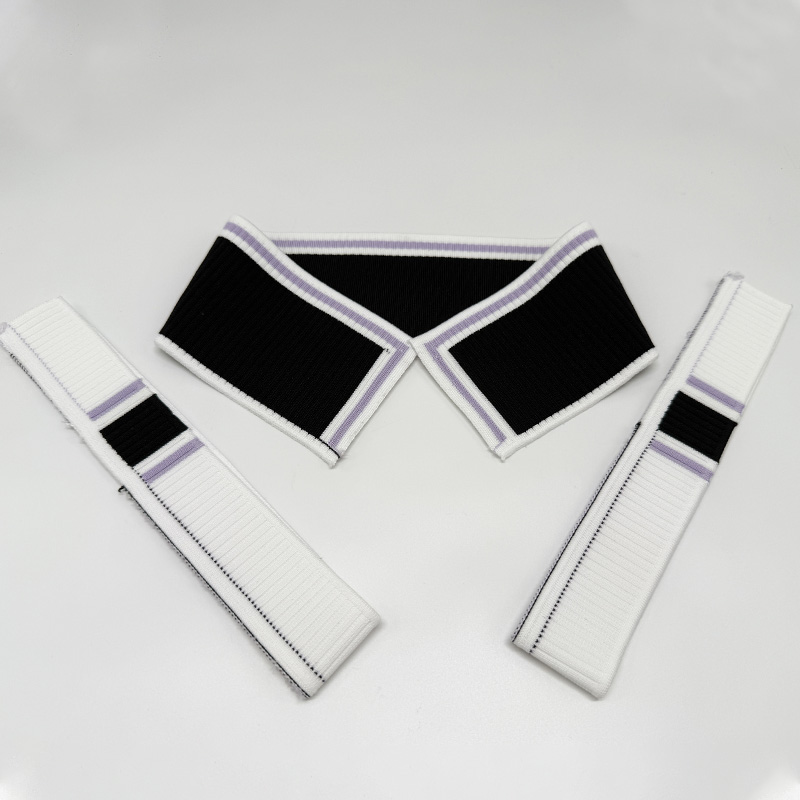
Collar and Cuff as Critical Quality Gateways in Garment Grading
Why collar cuff defects trigger disproportionate AQL rejections despite minimal surface area
Flaws in collars and cuffs cause way more quality issues than their size would suggest when following AQL standards. Factory audits show these problems make up around 30% of all defects found during inspections. Even though collars and cuffs take up less than 2% of the fabric on a garment, they stand out like sore thumbs. Small issues such as puckered fabric, stitches that don't match up, or just half a centimeter off alignment get noticed right away. Hidden seams aren't nearly as big a deal since nobody sees them. But when it comes to judging how well made a piece of clothing is, nothing matters more than those collar and cuff areas. That's why quality checkers always look there first. If something looks wrong there, it usually means bigger problems elsewhere in the production process too, from cutting mistakes to sloppy sewing or poor material management practices.
How structural misalignment in collar cuff affects symmetry, fit perception, and grade downgrading
When collars and cuffs are built incorrectly, they damage the whole garment much more than just looking bad in those areas. If a collar is attached off-center, it messes up how the neckline hangs and creates noticeable shoulder problems even when someone stands ten feet away. Cuffs that aren't tight enough cause sleeves to twist, which completely changes how well the shirt fits. These tiny flaws can have big impacts. A shirt might have perfect fabric quality, strong seams, and stay the right size through washing, but still get labeled as second quality just because of issues around the collar and cuffs. People's eyes catch these small differences in framing details surprisingly well. That's why getting these parts right matters so much for high end clothing grades.
Visual Hierarchy: How Collar Cuff Appearance Drives First-Impression Grading
The 'First-Look' Effect: Clean Edges, Zero Pucker, and Dimensional Stability as Non-Negotiable Grade Criteria
When B2B apparel buyers make their grading calls, they often decide within just a few seconds, and surprisingly enough, those little collar cuffs end up being major factors in their judgment. The pros look at three key things without even thinking about it: edges that are nice and clean show good cutting work; no puckering means the sewing was done right with proper tension control; and how stable the fabric remains when stressed out is another big deal. If someone pulls on a garment and notices fraying or loose threads right away, that usually makes them question everything else about quality control, even if other parts seem okay. People see pictures way faster than they read words, so these tiny details really matter for getting into premium categories. A shirt might have strong seams underneath but still get rejected simply because the collar cuff looks off. Companies that switch to laser cutting for cleaner edges, implement special techniques to prevent puckering like using differential feeds or stabilizer tapes, and go for pre-shrunk fabrics tend to land better grades overall. Across the industry, this approach cuts down on AQL failures somewhere between 19% and 37%, which makes a huge difference in production costs and customer satisfaction.
Collar Cuff Durability Metrics: Elasticity, Recovery, and Wash-After Performance
1x1 vs. 2x2 rib knit: ASTM D6622 data on shape retention across 50 wash cycles
The ASTM D6622 test shows some pretty significant differences in how different rib structures perform. Take the 1x1 rib knit for instance. It stretches quite a bit at first, around 80 to 100%, but after about 50 washes in areas where there's lots of rubbing, it only keeps about 79% of its original tightness. The 2x2 rib knit tells a different story though. Even though it doesn't stretch as much initially, somewhere between 60 and 75%, it manages to hold onto 87% of its tension after those same 50 washes. That extra 8% makes all the difference, really. The reason? Simply put, the structure is denser. Those tighter loops just don't break down as easily when they go through the laundry cycle.
| Performance Metric | 1x1 Rib Knit | 2x2 Rib Knit |
|---|---|---|
| Initial Stretch | 80–100% | 60–75% |
| Wash Cycle Retention | 79% | 87% |
| Recovery (5k cycles) | 94% | 88% |
Blended fabrics incorporating 5–10% spandex elevate recovery to 97%, effectively mitigating the 15% elasticity loss observed in pure cotton variants after six months of wear and care.
Stitch density, seam allowance consistency, and reinforcement strategies for high-stress collar cuff zones
Getting the right stitch count around 12 to 14 stitches per inch works best when combined with those 5/8 inch seam allowances. This combo really cuts down on seams coming loose after lots of pulling and stretching. Adding bar tacks at spots where things tend to break makes all the difference. We're talking about places like the corners of cuffs and where collars meet the main body of shirts. Tests show this can cut failures by about 40 percent in our quick wear tests. When making heavier clothes or performance gear, bonding tape helps keep everything from stretching out of shape. After washing, these reinforced areas only stretch less than 3%, which is way better than regular construction methods by about five times. And don't forget about keeping threads tight across the whole piece. If some parts are tighter than others, it creates weak spots that will wear out faster, ruining how the garment looks and shortening its life span.
FAQ
Why are collar and cuff defects significant despite their small size?
Collar and cuff defects are significant because they are visible and negatively impact the garment’s appearance and fit, making them more noticeable than defects in less visible areas.
What impact does misalignment in collars and cuffs have on a garment?
Misalignment in collars and cuffs can affect the symmetry and fit of the garment, leading to downgrades in quality-grade assessment even if other components of the garment are flawless.
How can a company improve garment grades regarding collar and cuff appearance?
Companies can improve garment grades by ensuring clean edges, no puckering, and using structural methods like laser cutting, stabilizer tapes, and pre-shrunk fabrics to enhance dimensional stability.
What are the benefits of using 2x2 rib knit over 1x1 rib knit?
The 2x2 rib knit offers better shape retention after multiple wash cycles compared to 1x1 rib knit due to its denser structure, resulting in higher overall durability.
How do stitch density and reinforcement strategies benefit collar cuffs?
The optimal stitch density and reinforcement strategies, like bar tacks and bonding tape, help reduce seam failure and maintain garment integrity over time, especially in high-stress areas.
Table of Contents
- Collar and Cuff as Critical Quality Gateways in Garment Grading
- Visual Hierarchy: How Collar Cuff Appearance Drives First-Impression Grading
- Collar Cuff Durability Metrics: Elasticity, Recovery, and Wash-After Performance
-
FAQ
- Why are collar and cuff defects significant despite their small size?
- What impact does misalignment in collars and cuffs have on a garment?
- How can a company improve garment grades regarding collar and cuff appearance?
- What are the benefits of using 2x2 rib knit over 1x1 rib knit?
- How do stitch density and reinforcement strategies benefit collar cuffs?